



Customer service skills decide whether a customer hangs up satisfied or calls back angry. They're also what hiring managers scan for first on a customer service resume, and what team leaders coach every week.
Quick answer: Customer service skills are the people skills and technical skills used to solve customer problems and keep customers happy. The top three are active listening, empathy, and problem-solving, supported by clear communication and confident use of CRM and support tools.
What Are Customer Service Skills?
Customer service skills are the combination of interpersonal soft skills and technical hard skills needed to understand a customer's need, resolve it efficiently, and leave the customer satisfied. In plain terms, that's the customer service skills definition: listening well, communicating clearly, solving the problem, and using the right tools to do it.
The U.S. government's O*NET career profile for customer service representatives lists the same core abilities: listening without interrupting and asking good questions, speaking clearly, noticing and solving problems, and looking for ways to help people. The BLS adds patience and interpersonal skills.
Soft skills vs. hard skills overview
|
|
Soft skills |
Hard skills |
|
What they are |
How you work with people |
What you know how to do with tools and processes |
|
Examples |
Empathy, active listening, patience, de-escalation |
CRM use, ticketing, typing, product knowledge |
|
How they're learned |
Practice, coaching, feedback |
Training, certification, on-the-job use |
|
How they're measured |
QA scores, CSAT, call reviews |
Accuracy, speed, system proficiency |
What are the top 3 skills in customer service?
The top three customer service skills are active listening, empathy, and problem-solving.
- Active listening helps you understand the real issue the first time.
- Empathy makes the customer feel heard and calms tense conversations.
- Problem-solving turns that understanding into a fix.
Together, they directly affect First Contact Resolution (FCR) and Customer Satisfaction (CSAT), two of the most important contact center metrics.
Core Skill Taxonomy: Essential Soft Skills vs. Technical Hard Skills
Soft skills determine how a customer feels about the interaction, and hard skills determine whether the problem actually gets fixed. Strong customer service agents need both, plus problem-solving skills that connect them.
Soft skills for customer service
- Empathy: understanding and acknowledging how the customer feels. Example: "I can see why a double charge would be stressful. Let's get it fixed."
- Active listening: letting the customer finish, confirming what you heard, and asking clarifying questions.
- Clear communication: using simple language, avoiding jargon, and explaining next steps.
- Patience: staying calm with confused, slow, or frustrated customers.
- De-escalation: lowering tension with a calm tone, acknowledgment, and a clear plan.
- Adaptability: adjusting to new policies, products, tools, and customer personalities.
- Resilience: recovering quickly after a difficult interaction.
Hard and technical skills for customer service
- CRM proficiency: working in systems like Salesforce or Zendesk to view history, log notes, and update records.
- Ticketing and routing: creating, prioritizing, tagging, and escalating tickets correctly.
- Omnichannel support: handling phone, email, chat, and social media, and switching between them without losing context.
- AI assist tools: using suggested replies, knowledge-base search, and summaries, while checking them for accuracy.
- Typing and data entry accuracy: capturing details correctly the first time.
- Product knowledge: knowing features, pricing, policies, and common fixes.
- Basic data skills: reading dashboards and understanding your own metrics.
For more on channels, see our guide to multichannel customer support.
Customer service problem-solving skills in action
Good problem-solving follows a simple loop: understand, find the root cause, fix, confirm, and prevent.
- Understand -> Listen fully and restate the issue
2. Diagnose -> Ask questions and check the account to find the root cause
3. Resolve -> Apply the fix or the right escalation
4. Confirm -> Make sure the customer agrees it's solved
5. Prevent -> Note the cause and suggest a process fix if it repeats

Example of problem-solving skills in customer service (billing):
A customer calls about a late fee. Instead of just explaining the policy, the agent finds that the customer's autopay failed after a card update. The agent removes the fee as allowed, helps update the card, and confirms the next payment date. The customer doesn't need to call back.
Example (technical support):
A customer's app keeps crashing. The agent asks when it started, learns it began after an update, checks the knowledge base, finds a known issue with a quick fix, walks the customer through it, and confirms the app works before ending the call.
Soft skills vs. hard skills master comparison
|
Skill category |
Core competency |
Operational impact |
Best way to show it on a resume |
|
Empathy |
Acknowledging feelings |
Higher CSAT, fewer escalations |
"Maintained 95% CSAT across 60+ daily calls" |
|
Active listening |
Understanding the real issue |
Higher FCR, fewer repeat contacts |
"Resolved 85% of issues on first contact" |
|
De-escalation |
Calming upset customers |
Fewer supervisor escalations |
"Reduced escalations 20% in six months" |
|
CRM proficiency |
Fast, accurate system use |
Lower AHT, cleaner records |
"Managed accounts in Salesforce and Zendesk" |
|
Omnichannel support |
Multi-channel handling |
Faster response times |
"Handled phone, chat, and email queues" |
|
Problem-solving |
Root-cause fixes |
Higher FCR, lower costs |
"Identified billing error affecting 200 accounts" |
Resume numbers are examples. Use your own real results.
Get Free Quotes
Customized Options Await
The Top 10 Customer Service Skills for Success in 2026
These 10 customer service skills appear again and again in job descriptions, QA forms, and coaching plans. If you're building a customer service skills list for your resume or a training program, start here.
1. Active listening
Listen to the full issue before responding, and confirm it back. It prevents wrong fixes and repeat calls.
2. Clear verbal and written communication
Explain things simply, by phone or in writing, and set clear next steps. Customer service communication and speaking skills matter even more on chat and email, where tone is easy to misread.
3. Empathy
Acknowledge the customer's feelings before solving the problem. A short phrase like "I understand how frustrating that is" changes how the rest of the conversation goes.
4. Technical proficiency
Use the CRM, ticketing tools, and knowledge base quickly and accurately. Technical skills for customer service now often include AI assist tools.
5. Problem-solving
Find and fix the root cause, not just the symptom. This is the skill that raises First Contact Resolution.
6. Speed and accuracy
Work efficiently without making mistakes in notes, orders, or account changes.
7. Emotional resilience
Recover quickly after a hard interaction and treat the next customer fresh.
8. Product mastery
Know the product, policies, and common issues well enough to answer confidently.
9. Adaptability
Handle new policies, scripts, tools, and customer types without losing quality.
10. Time management
Balance call quality with schedule adherence, wrap-up time, and queue demands.

The 10 essential customer service skills blueprint
|
Skill |
Definition |
Real-world example |
Resume phrasing |
|
Active listening |
Fully understanding before responding |
Restating a billing complaint before checking the account |
"Applied active listening to resolve complex billing issues" |
|
Communication |
Clear, simple explanations |
Walking a senior customer through an app setup |
"Explained technical steps in plain language to diverse customers" |
|
Empathy |
Acknowledging feelings |
Calming a customer whose order arrived damaged |
"Built rapport with frustrated customers to retain accounts" |
|
Technical proficiency |
Fast, correct tool use |
Logging and routing tickets in Zendesk |
"Proficient in Salesforce, Zendesk, and Microsoft 365" |
|
Problem-solving |
Root-cause resolution |
Finding a failed autopay behind a late fee |
"Resolved recurring issues by identifying root causes" |
|
Speed and accuracy |
Efficient, error-free work |
Processing refunds correctly the first time |
"Maintained 98% accuracy on account updates" |
|
Emotional resilience |
Recovering after difficult calls |
Staying calm after an abusive call |
"Maintained quality scores in high-volume queues" |
|
Product mastery |
Deep product and policy knowledge |
Answering plan questions without hold time |
"Trained new hires on product features and policies" |
|
Adaptability |
Adjusting to change |
Switching smoothly to a new CRM |
"Adapted quickly to new systems and policy updates" |
|
Time management |
Balancing quality and efficiency |
Meeting handle-time goals with high CSAT |
"Met AHT targets while exceeding CSAT goals" |
Percentages in resume phrasing are examples. Replace them with your real numbers.
How to Put Customer Service Skills on a Resume (Examples & Samples)
List your strongest customer service skills in a dedicated skills section, then prove them with results in your experience bullets. Use the same words the job description uses, so both applicant tracking systems (ATS) and hiring managers can find them.
Structuring skills for ATS and hiring managers
- Mirror the job post. If it says "Zendesk" and "de-escalation," use those exact words.
- Use a simple layout. Standard headings (Summary, Skills, Experience, Education), no tables or graphics in the skills section.
- Split skills into two lines. One for soft skills, one for technical skills.
- Prove with numbers. CSAT scores, calls per day, FCR, QA scores, or awards.
- Start bullets with action verbs. Resolved, handled, trained, reduced, improved.
Sample skills section:
SKILLS
Customer service: Active listening, empathy, de-escalation, problem-solving, patience
Technical: Salesforce, Zendesk, live chat, email ticketing, Microsoft 365, 45 WPM typing


















Resume examples for entry-level agents and freshers
Freshers should highlight transferable skills from school, retail, hospitality, or volunteer work.
- "Assisted 50+ customers per shift at a busy retail counter, answering product and return questions."
- "Handled phone orders and complaints for a family business, keeping customers informed until resolved."
- "Led a team of four on a university project, coordinating deadlines and communication."
- "Typed 45 words per minute with high accuracy; comfortable using Microsoft Office and Google Workspace."
Transferable customer service skills to list: communication, patience, teamwork, computer literacy, punctuality, and willingness to learn.
Resume examples for experienced representatives and specialists
Experienced customer service representatives should lead with metrics and specialized skills.
- "Handled 70+ inbound calls daily on a telecom account while maintaining a 92% quality score."
- "Achieved 88% First Contact Resolution by mastering the knowledge base and troubleshooting steps."
- "Resolved Tier 2 technical tickets in Zendesk, reducing escalations to engineering."
- "Supported customers across phone, chat, and email in an omnichannel queue."
- "Mentored five new hires during nesting, improving their time to proficiency."
Resume examples for customer service managers and team leaders
Customer service manager skills focus on coaching, KPIs, workforce planning, and process improvement.
- "Managed a team of 18 agents, improving team CSAT from 82% to 90% in two quarters."
- "Introduced weekly side-by-side coaching, raising average QA scores by 7 points."
- "Partnered with workforce management to cut unplanned shrinkage and improve service level."
- "Analyzed contact drivers to reduce repeat calls on the top three issue types."
- "Hired and onboarded 40+ agents for a new account launch."
All numbers above are examples. Use your own verified results.
For the full role description, see our CSR job responsibilities guide.
How to improve customer service skills through training and coaching
The fastest way to improve customer service skills is regular feedback on real interactions. Practical methods:
- Call and chat reviews: listen back with a coach and the QA form.
- Role-play: practice angry callers, cancellations, and technical issues.
- Side-by-side coaching: a team leader listens live and gives quick feedback.
- Knowledge-base practice: learn the top 20 call reasons and their fixes.
- Self-review: check your own CSAT comments and QA trends weekly.
Read more about call center training programs and call center coaching.
Role-based skill competency matrix
|
Role |
Primary soft skills |
Required technical stack |
KPI focus |
|
Call center agent |
Listening, empathy, patience |
CRM, phone system, knowledge base |
CSAT, AHT, quality score |
|
Customer service specialist (Tier 2) |
Problem-solving, communication |
Ticketing, product tools, troubleshooting |
FCR, resolution time |
|
Quality analyst |
Objectivity, attention to detail, feedback |
QA software, call recording, spreadsheets |
Quality and compliance scores |
|
Team leader |
Coaching, motivation |
Dashboards, scheduling tools |
Team CSAT, adherence, QA |
|
Customer service manager |
Leadership, analysis, decision-making |
Reporting, workforce management, CRM admin |
CSAT, FCR, service level, attrition |
Operational Impact & Building Strong Support Teams with Prime BPO
Frontline customer service skills show up directly in contact center metrics. Listening and problem-solving drive First Contact Resolution, empathy drives CSAT, and tool proficiency drives Average Handle Time.
How skills drive CSAT, FCR, AHT, and retention
|
Skill |
Metric it moves |
How |
|
Active listening |
FCR, AHT |
Finds the real issue faster, so fewer repeat calls |
|
Empathy |
CSAT |
Customers rate the experience higher when they feel heard |
|
Problem-solving |
FCR |
Fixes the root cause, not just the symptom |
|
CRM and tool proficiency |
AHT |
Less time searching and typing |
|
De-escalation |
Escalation rate, CSAT |
Fewer transfers to supervisors |
|
Product mastery |
FCR, AHT |
Fewer holds and callbacks |
SQM Group's benchmarking puts the call center industry's average FCR at 71%, with 80% or higher considered world-class. SQM also reports that every 1% improvement in FCR brings about a 1% improvement in customer satisfaction and a 1% reduction in operating costs (vendor-reported research).
Learn more about First Contact Resolution, Average Handle Time, and what a good CSAT score is.
Note: Don't push AHT down at the expense of FCR. A rushed call that leads to a repeat contact costs more than a slightly longer call that solves the problem.

Customer service outsourcing with Prime BPO
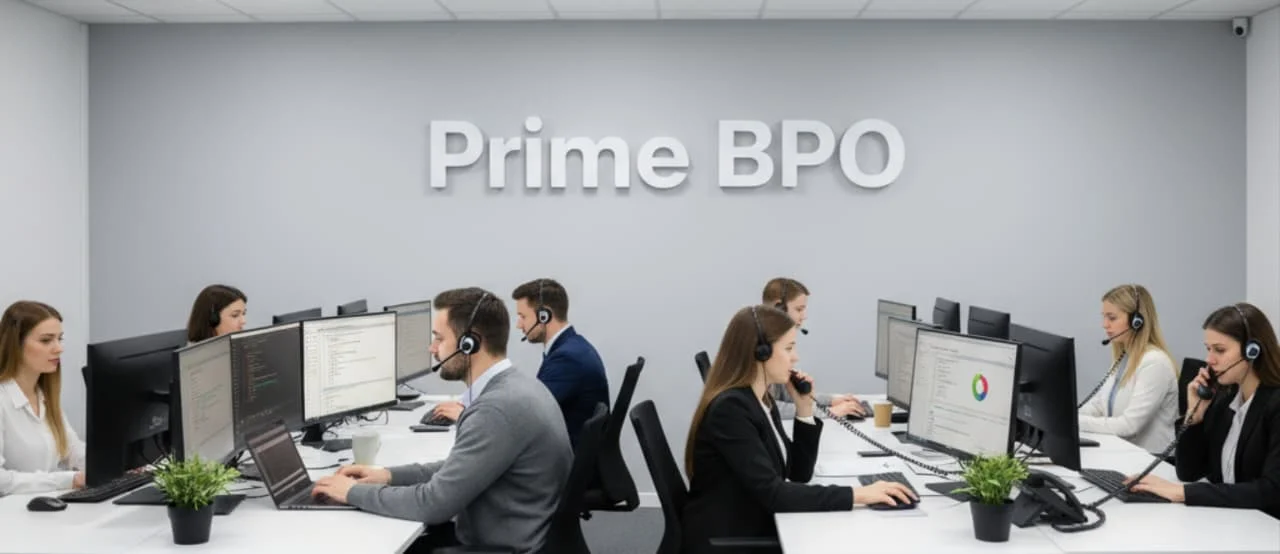
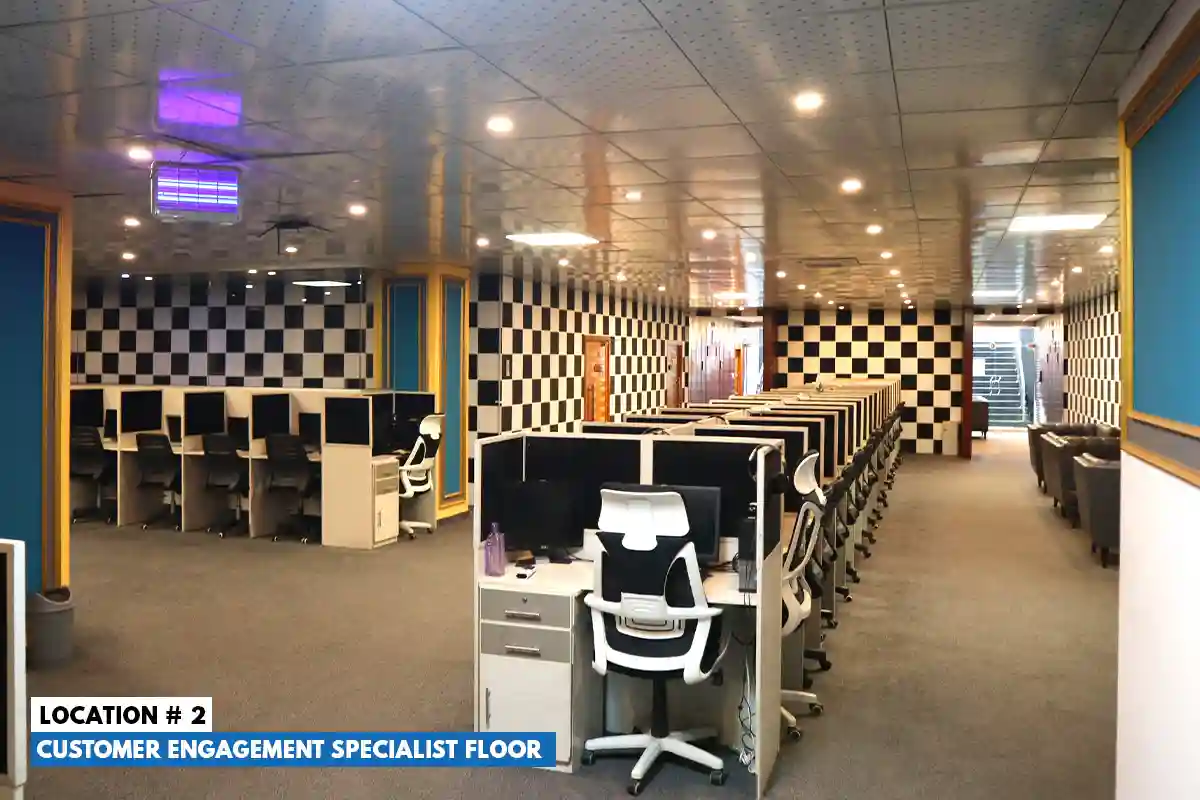
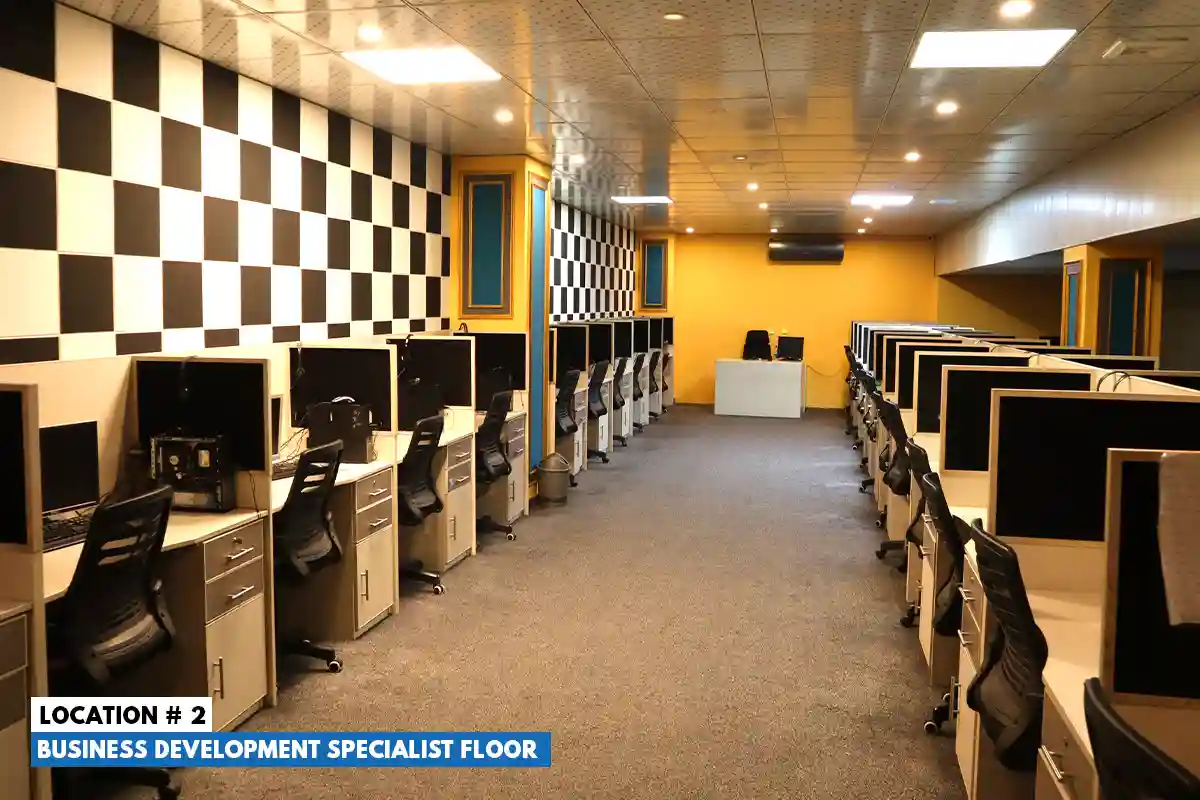
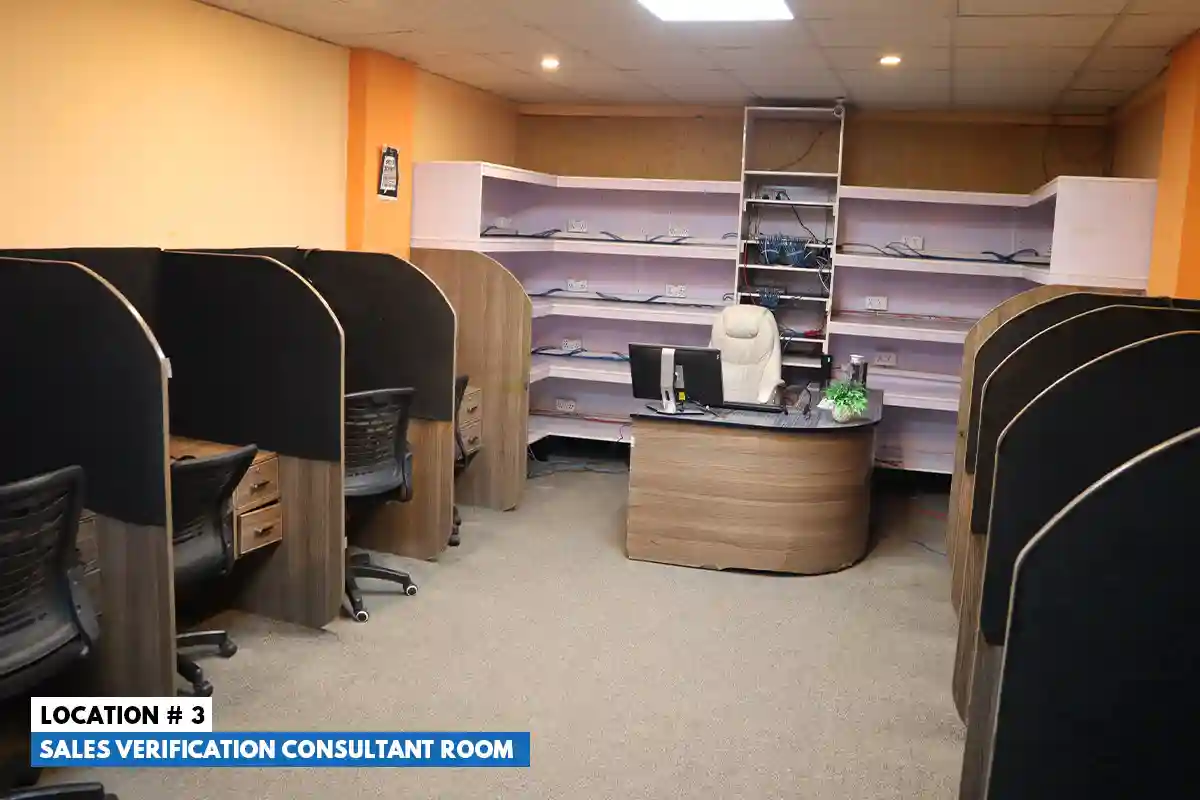
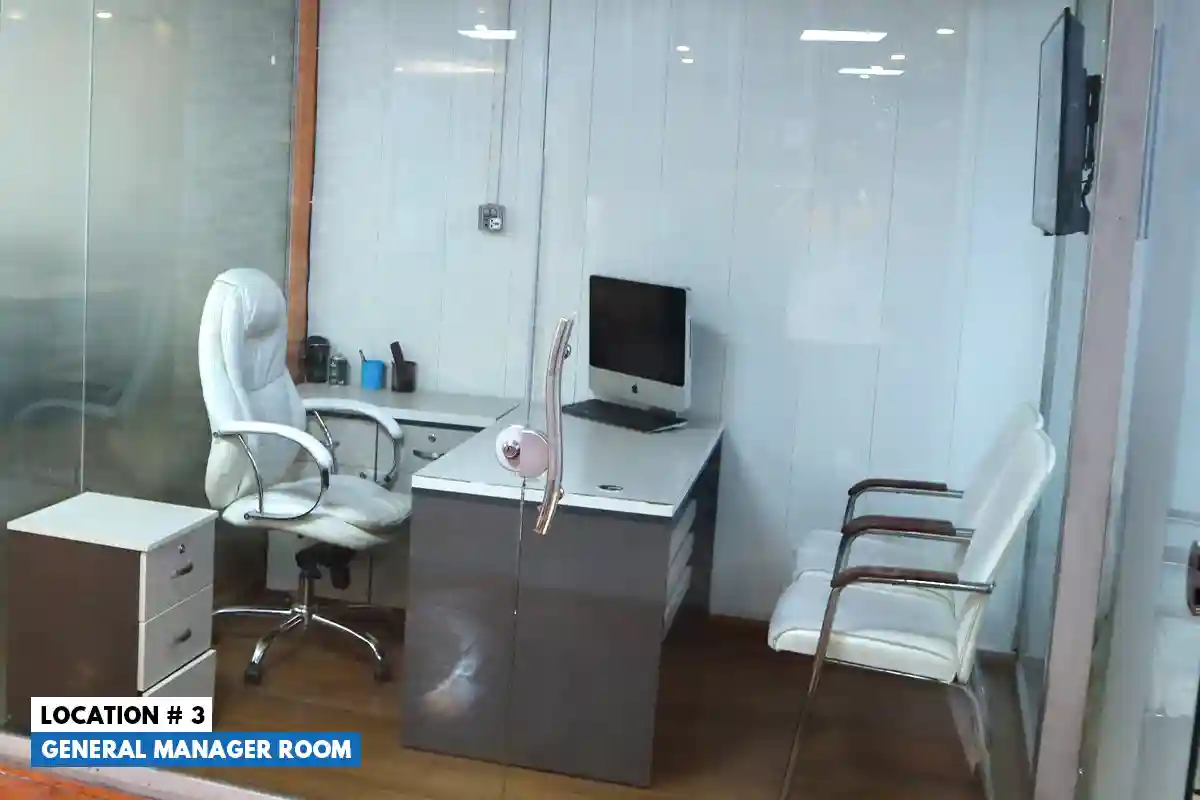
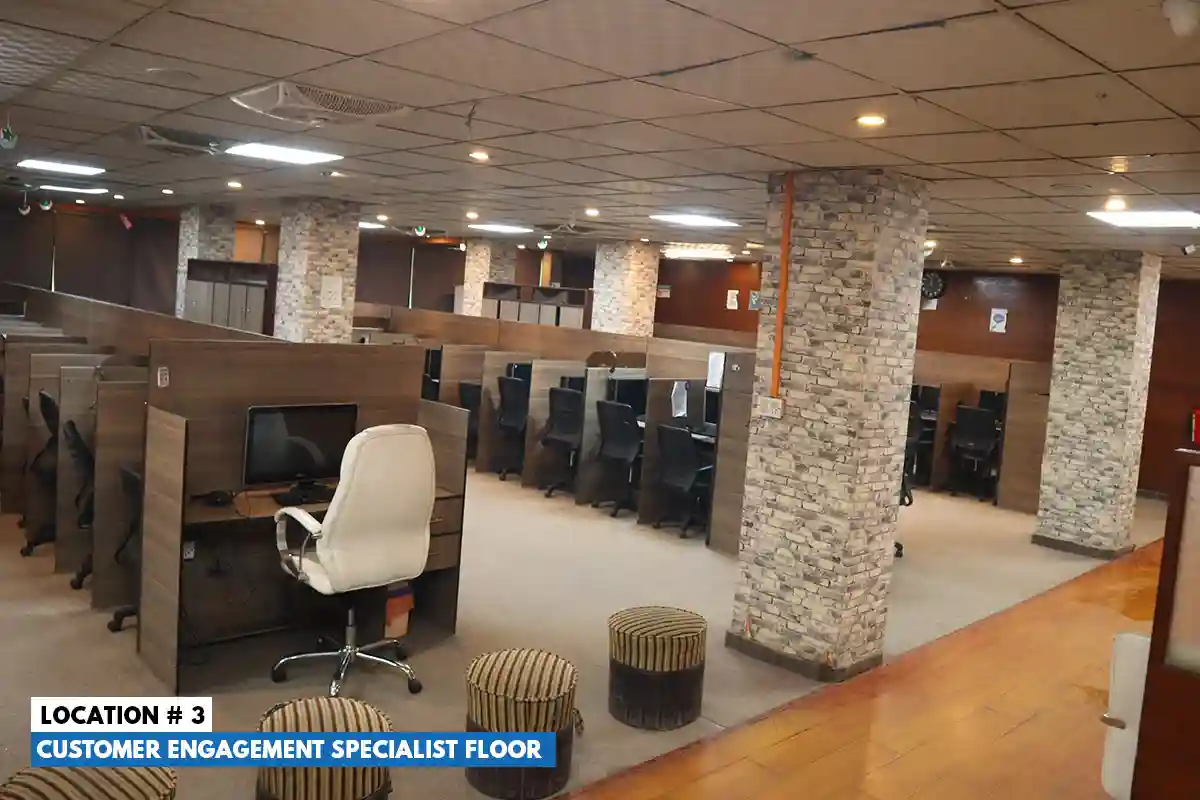
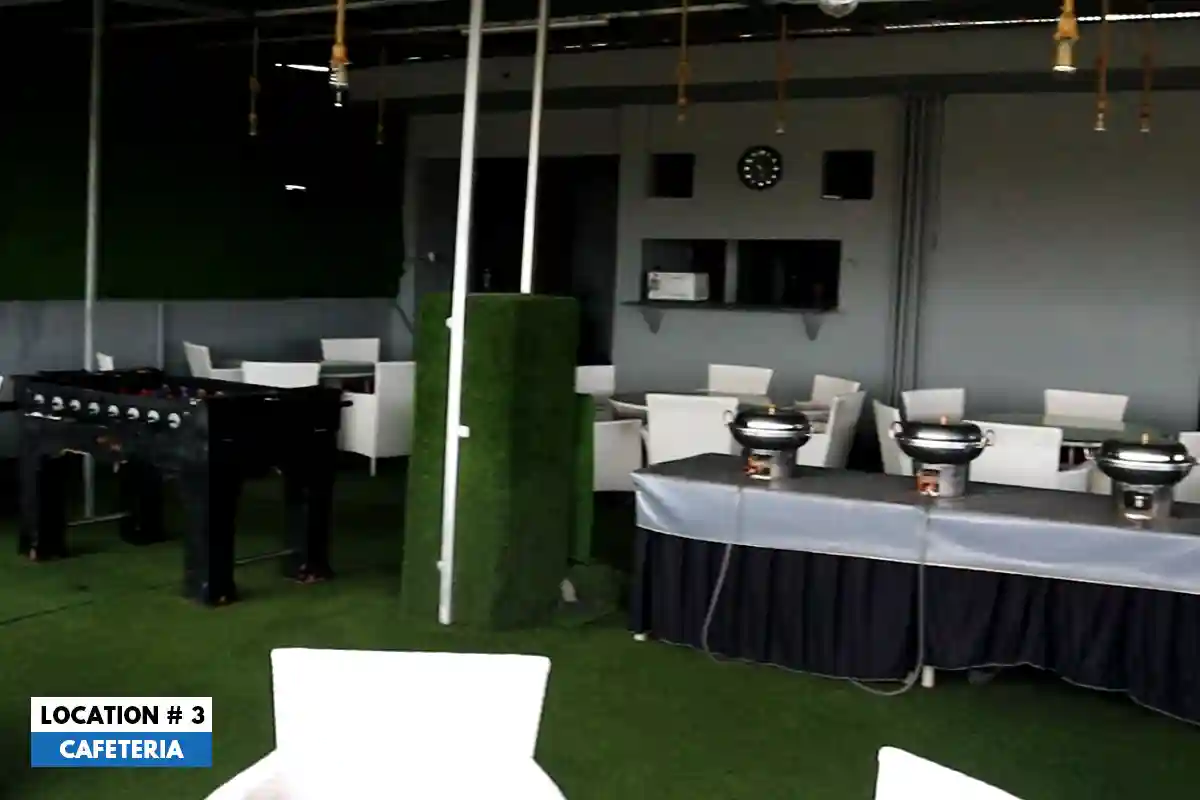
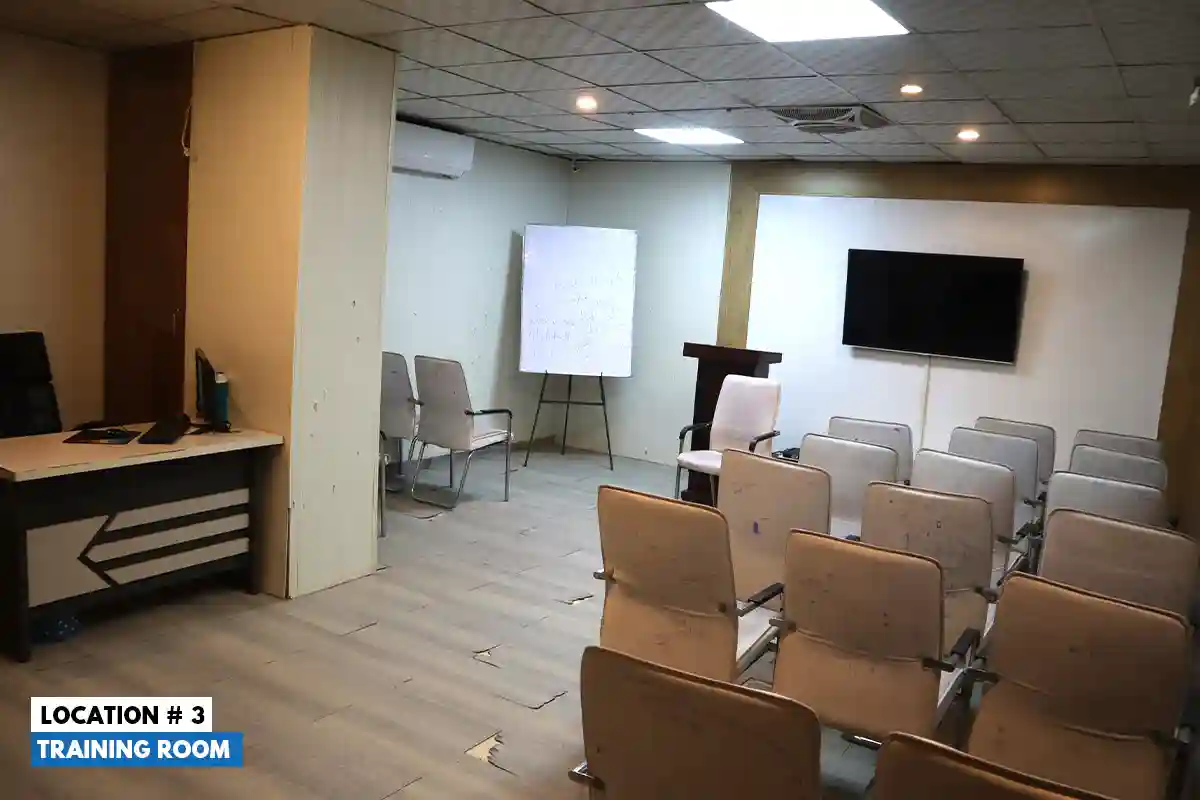
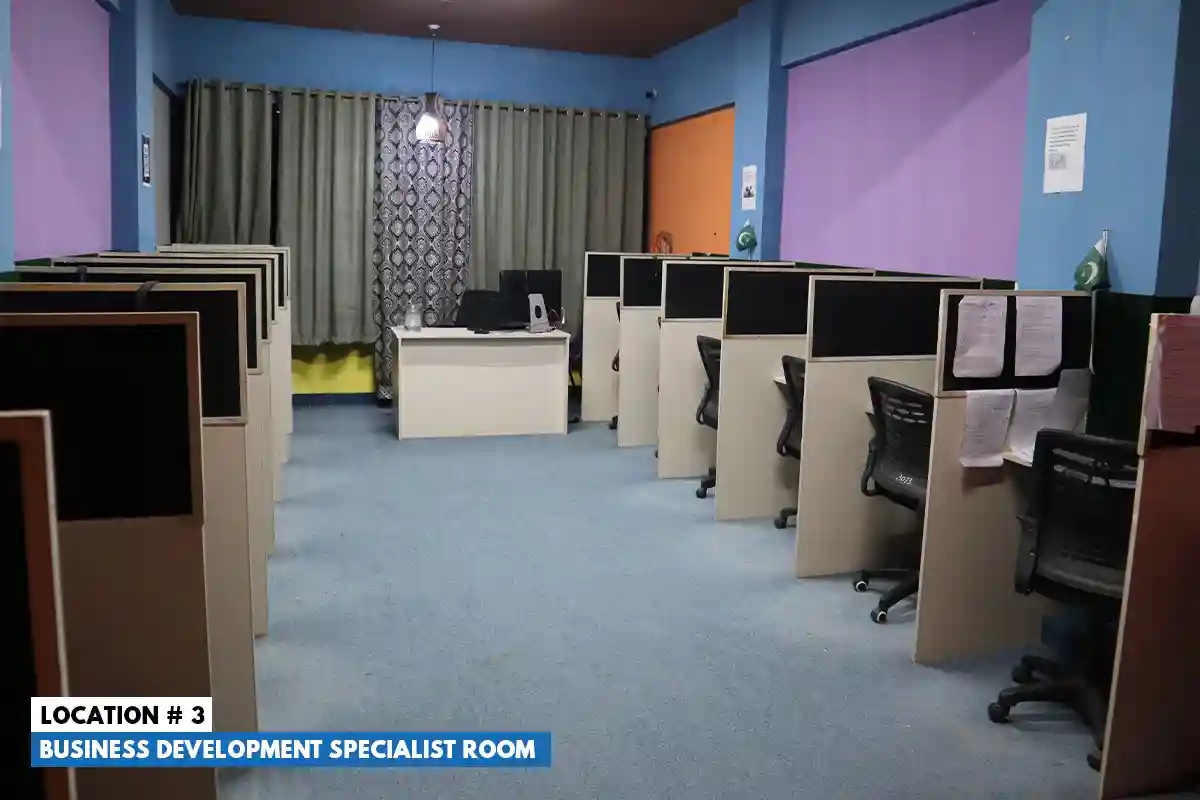
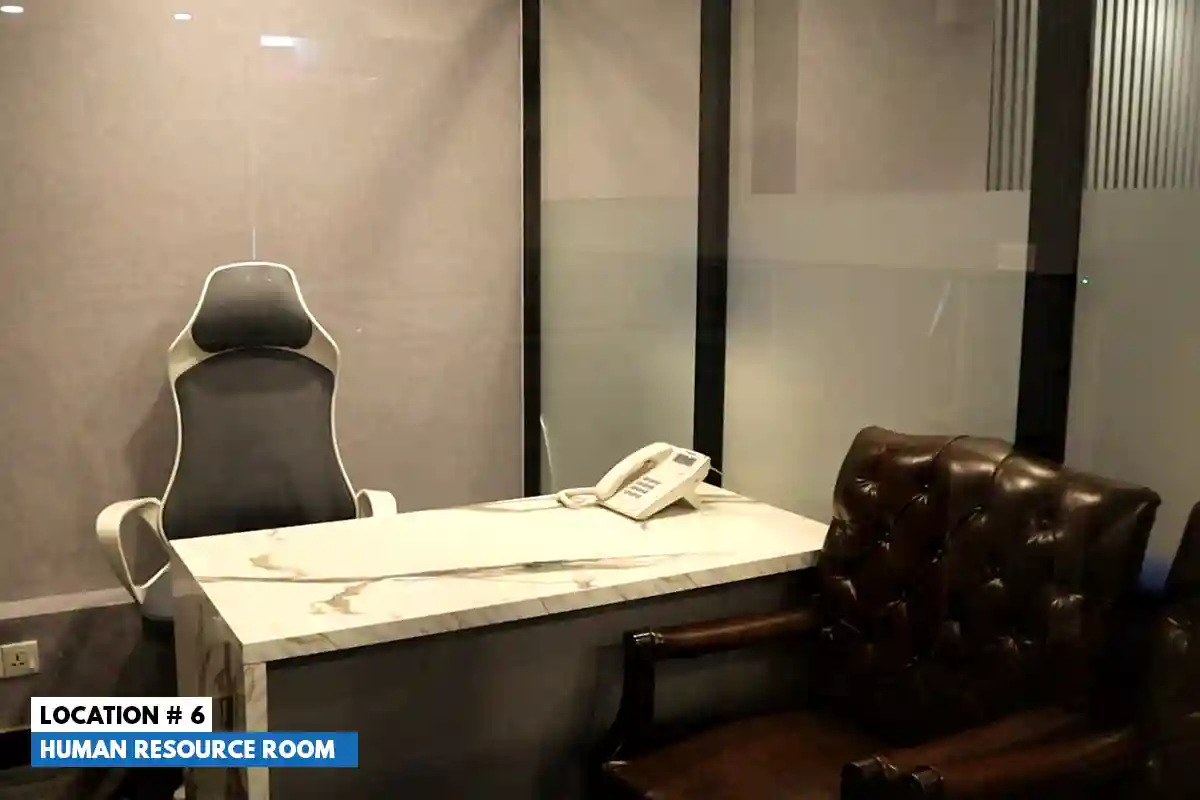
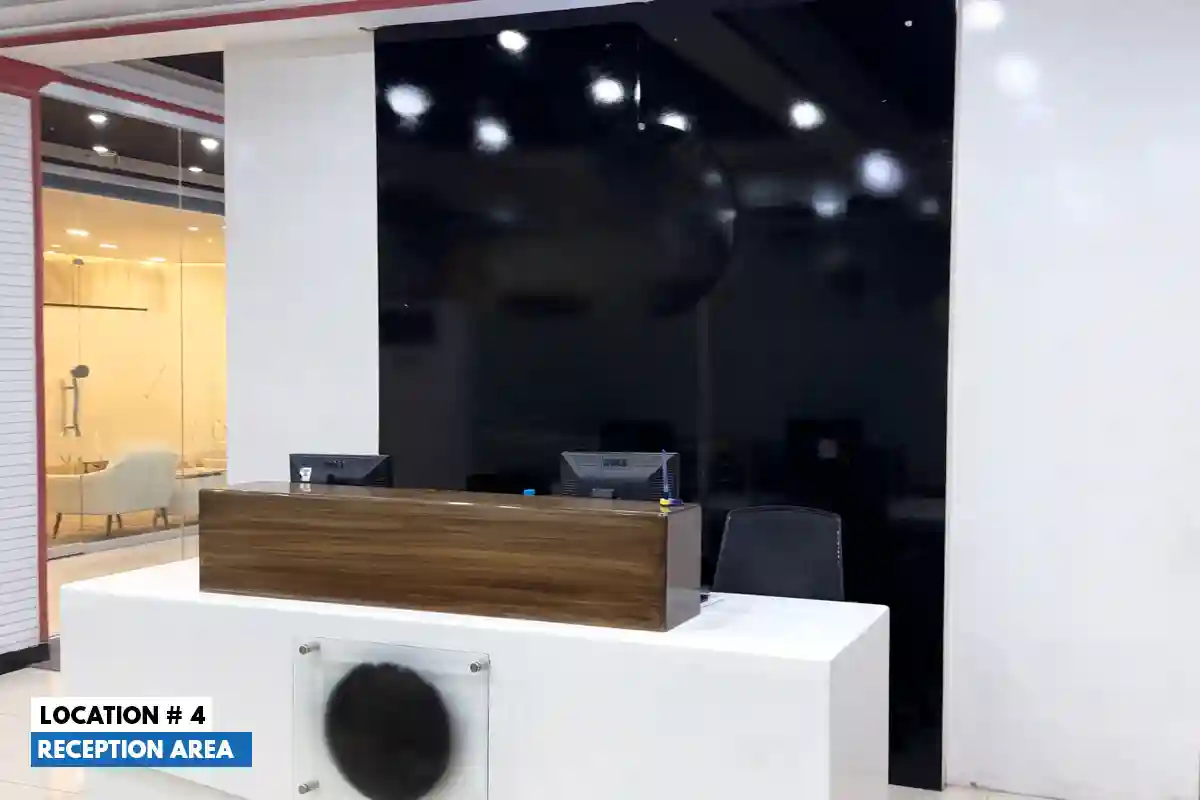
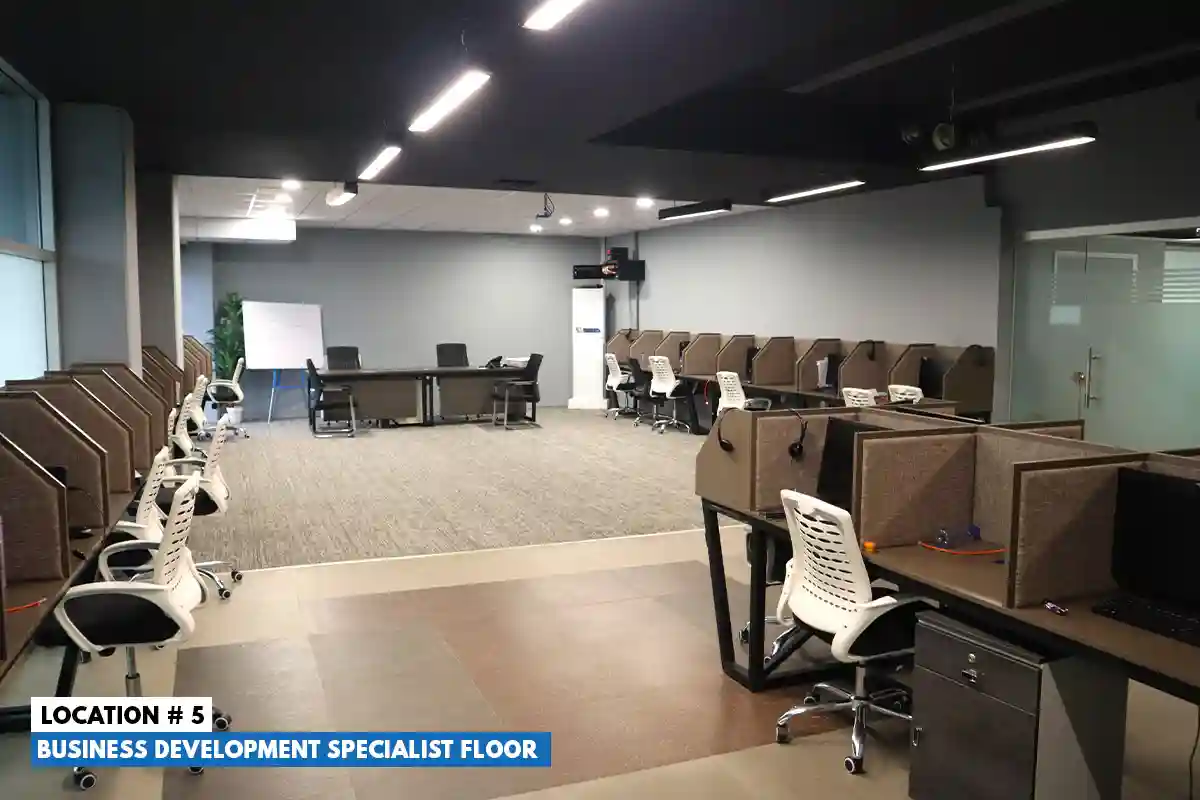
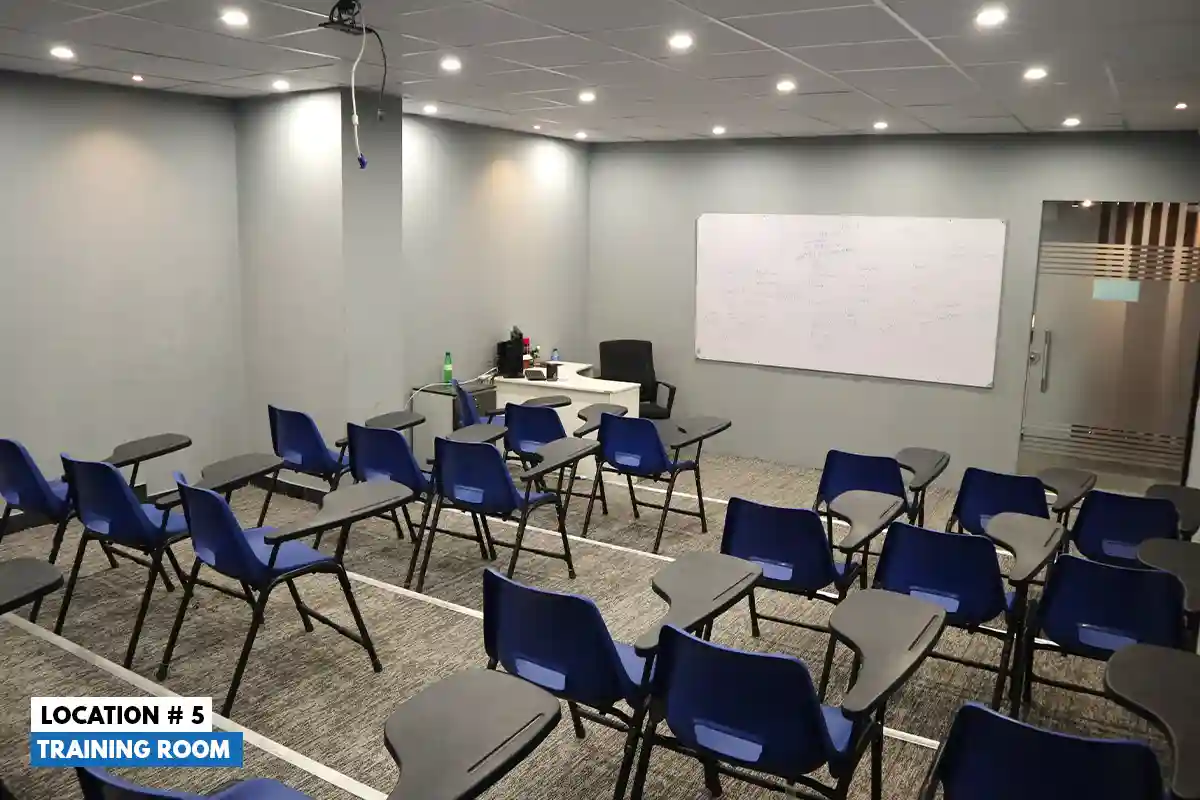
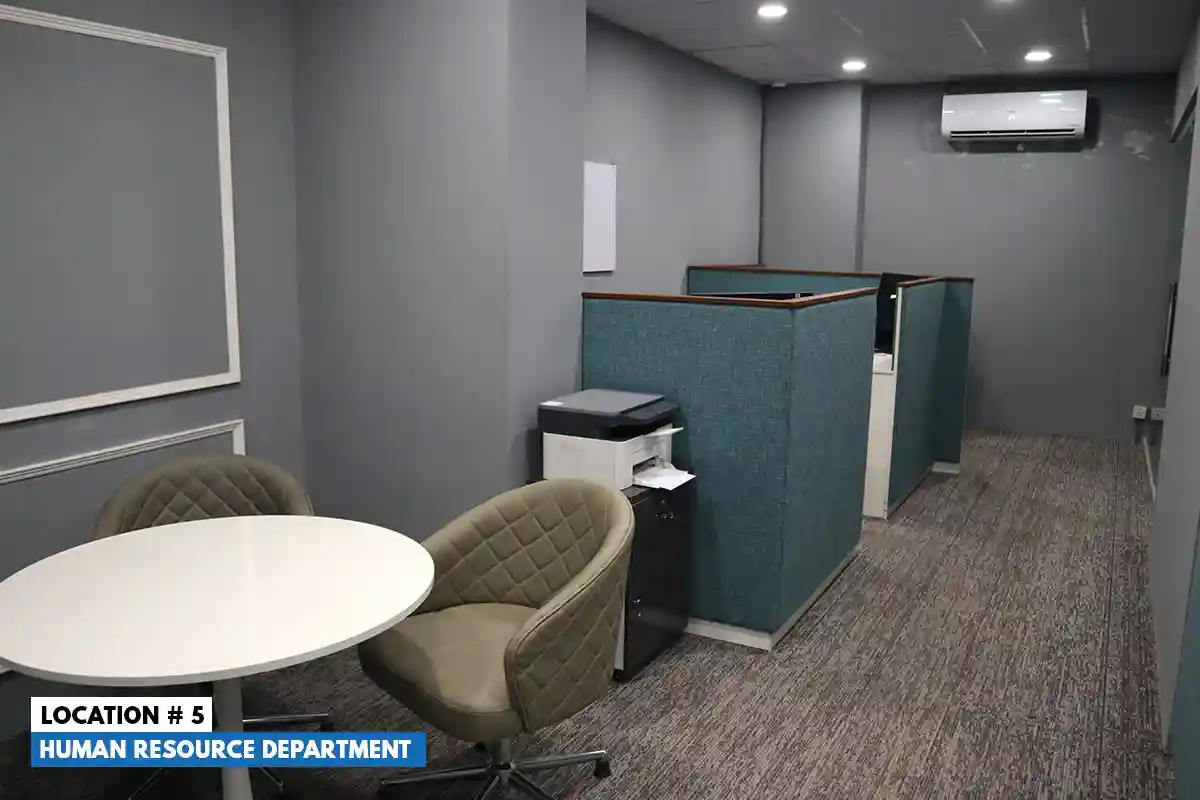
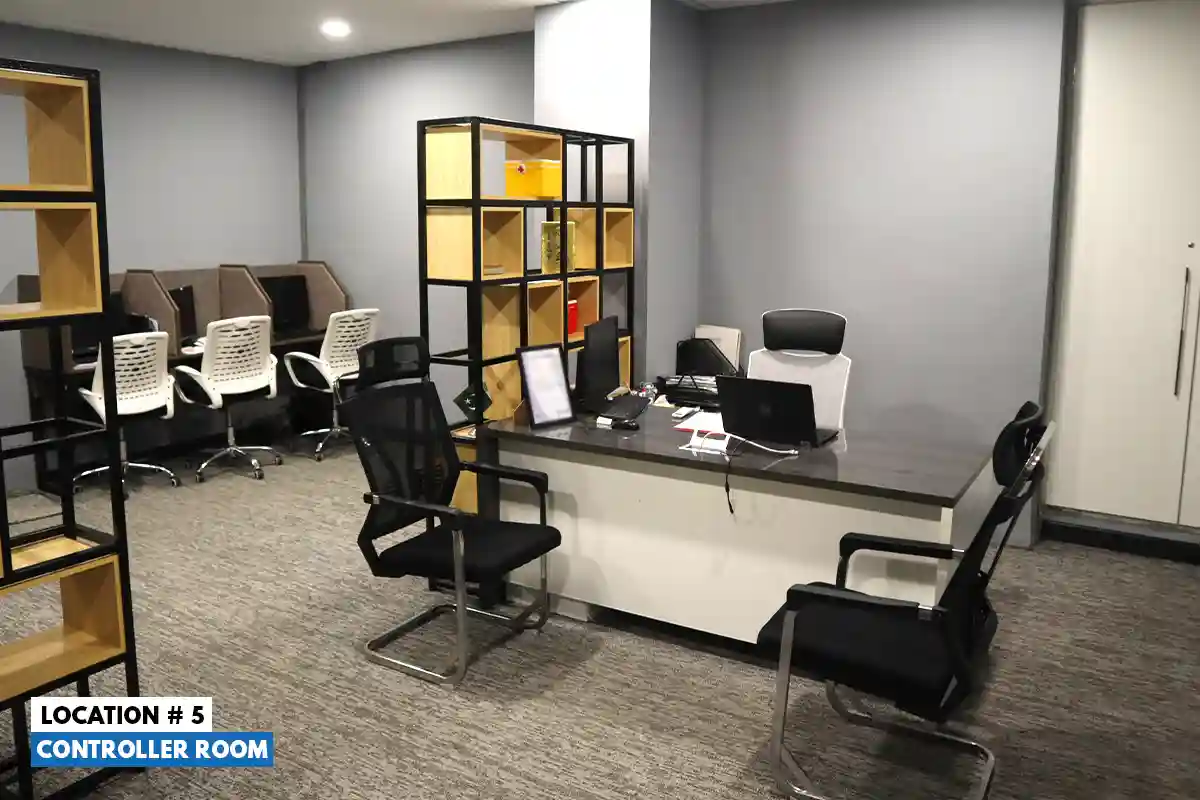
Prime BPO runs contact center operations from six offices in Rawalpindi, Pakistan, covering inbound and outbound customer service, telesales, lead generation, and back-office support. Its site lists ISO 18295-1:2017 certification for inbound and outbound customer contact.
Businesses can explore Prime BPO's call center services and customer service outsourcing.
Step-by-step: audit your contact center's skill gaps
- Pull the data -> CSAT, FCR, AHT, QA scores, escalation rate by agent
2. Find the patterns -> Which skills are behind the lowest scores?
3. Listen to calls -> Review 5–10 interactions per agent against the QA form
4. Map skills to gaps -> Empathy, listening, product knowledge, tools, etc.
5. Train and coach -> Targeted modules, role-play, side-by-side coaching
6. Re-measure -> Compare metrics after 30, 60, and 90 days
If you'd rather outsource some or all of your customer support, contact Prime BPO to discuss your requirements.
Get Free Quotes
Customized Options Await
Conclusion:
Strong customer service skills combine empathy, active listening, and problem-solving with confident use of CRM and support tools. Job seekers should list them clearly and back them with real results, while operations leaders should coach them against the metrics that matter.
|
Your situation |
Focus on |
|
Fresher, no experience |
Transferable skills, computer literacy, communication |
|
Experienced agent |
Metrics: CSAT, FCR, quality scores |
|
Tier 2 specialist |
Troubleshooting, product mastery, ticketing |
|
Team leader |
Coaching, KPI tracking, motivation |
|
Customer service manager |
Workforce planning, analysis, process improvement |
|
Operations leader |
Skill-gap audits and targeted training |
Pick your three strongest skills today, find a number that proves each one, and put them at the top of your resume.
Elevate Your Support Operations with Prime BPO
Looking to scale customer service teams with Prime BPO, or build a career in customer support? Prime BPO works with businesses that need inbound and outbound customer contact, and hires agents for its Rawalpindi offices.
For businesses:
- Explore Prime BPO contact center solutions.
- Schedule a consultation to discuss staffing, training, and quality requirements.
For job seekers:
- Browse open jobs at Prime BPO.
- Prepare with our call center tips for newbies.
Call +92-51-8733177 or visit primebpo.com.
Frequently Asked Questions
What are the 5 skills of a customer service?
The five most important customer service skills are active listening, empathy, clear communication, problem-solving, and patience. Together, they help you understand the customer's issue, keep the conversation calm, and resolve the problem the first time.
What are 7 qualities of good customer service?
Seven qualities of good customer service are: responsiveness (fast replies), empathy, clear communication, accuracy, problem resolution on the first contact, consistency across channels, and follow-through on promises. Customers notice when all seven are present.
What are the 10 basic skills?
For customer service, the 10 basic skills are active listening, clear communication, empathy, technical proficiency, problem-solving, speed and accuracy, emotional resilience, product mastery, adaptability, and time management. In a general career context, "10 basic skills" often refers to the World Health Organization's list of 10 core life skills, which includes problem-solving, effective communication, empathy, and coping with stress.
What are the top 3 skills in customer service?
The top three skills in customer service are active listening, empathy, and problem-solving. Listening finds the real issue, empathy makes the customer feel heard, and problem-solving fixes it, which raises both First Contact Resolution and CSAT.
What customer service skills should I put on my resume?
Put a mix of soft and technical skills that match the job posting, such as active listening, empathy, de-escalation, problem-solving, CRM tools (Salesforce, Zendesk), omnichannel support, and typing speed. Back each with a result in your experience section, such as a CSAT score or calls handled per day.
Sources and 2026 Verification
All sources were opened and checked on October 28–29, 2026.
- O*NET / My Next Move: Customer Service Representatives (43-4051.00): core skills, abilities, and technology (including Salesforce).
- U.S. Bureau of Labor Statistics: Customer Service Representatives: important qualities for the role.
- SQM Group: FCR benchmarking results: 71% average FCR, 80% world-class, and 1% FCR to CSAT and cost relationships (vendor-reported).
- Prime BPO homepage: office locations, services, and ISO 18295-1:2017 certification as stated by the company.
Note: Resume numbers and examples in this guide are illustrations. Use only your own verified results. Metric benchmarks are industry averages and vary by industry, channel, and account.