





Most contact centers score calls. Far fewer coach well. An agent gets a 78% on a scorecard, signs the form, and repeats the same mistake on the next 200 calls, because nobody turned the score into a behavior change.
Call center coaching closes that gap. It turns quality data into specific, practiced habits that lift resolution rates and customer satisfaction. It also gives agents a reason to stay.
Quick answer: Call center coaching is a regular, one-on-one process where a coach uses real interaction data to help an agent improve specific behaviors. The best programs coach weekly, let the agent do most of the talking, focus on the few gaps that cause most problems, and track results against FCR, CSAT, and AHT.
What Is Coaching in a Call Center?
Coaching in a call center is the ongoing process of helping individual agents improve specific behaviors on calls, chats, and emails, using evidence from their own interactions. Unlike training, which teaches the whole team new knowledge, coaching is personal, frequent, and tied to measurable results such as First Contact Resolution (FCR), Customer Satisfaction (CSAT), and Average Handling Time (AHT).
The stakes are measurable. SQM Group's research on FCR found that every 1% improvement in FCR comes with a 1% improvement in customer satisfaction. Coaching is one of the most direct ways to move FCR, because most repeat calls trace back to something an agent did or didn't do on the first one.
|
|
Training |
Coaching |
QA auditing |
|
Audience |
Group |
One agent |
One interaction |
|
Purpose |
Teach new knowledge or process |
Change a specific behavior |
Measure compliance and quality |
|
Frequency |
Onboarding and launches |
Weekly or bi-weekly |
Ongoing |
|
Output |
Certified skills |
Action plan the agent owns |
Scorecard |





















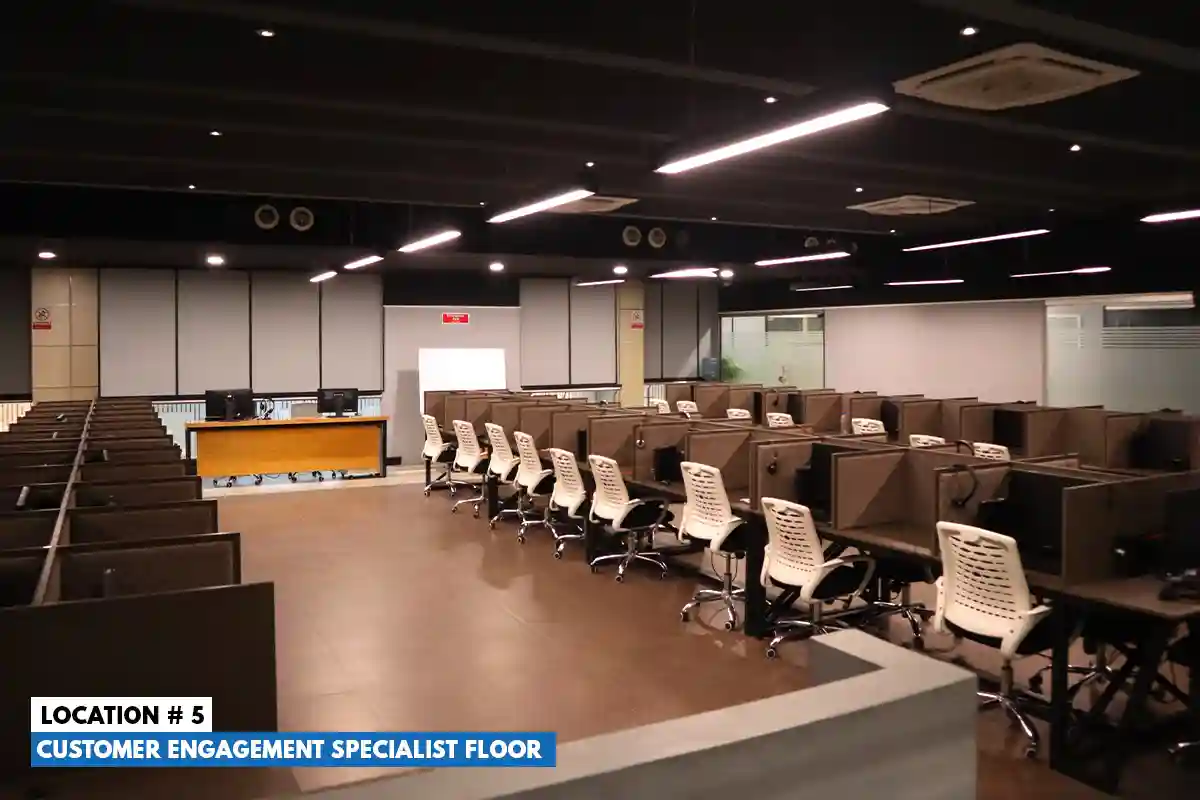
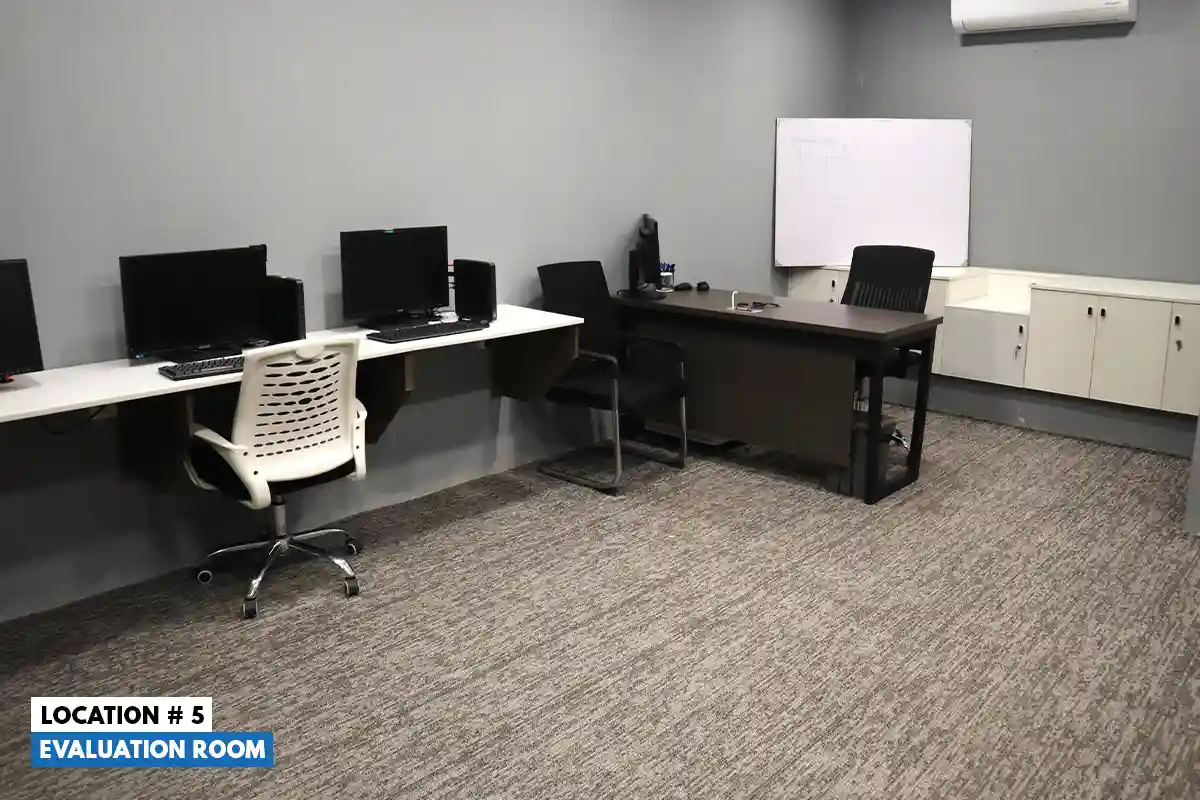
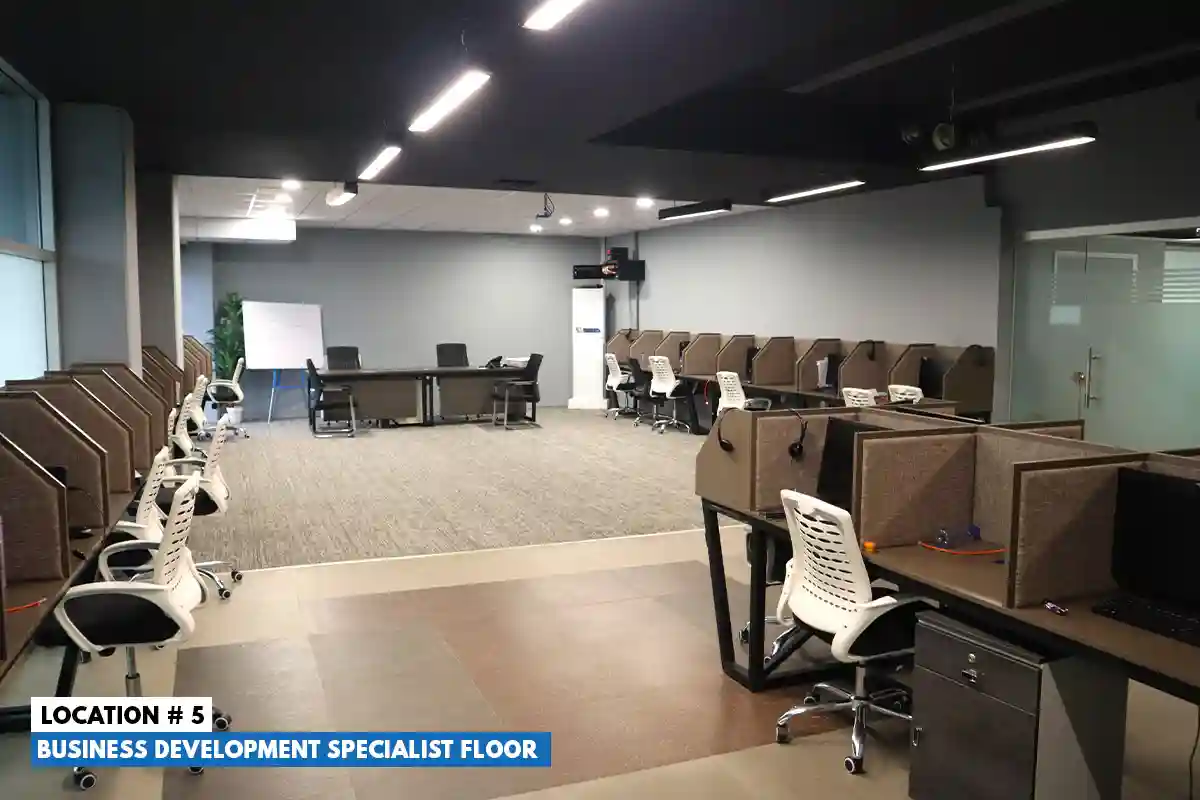
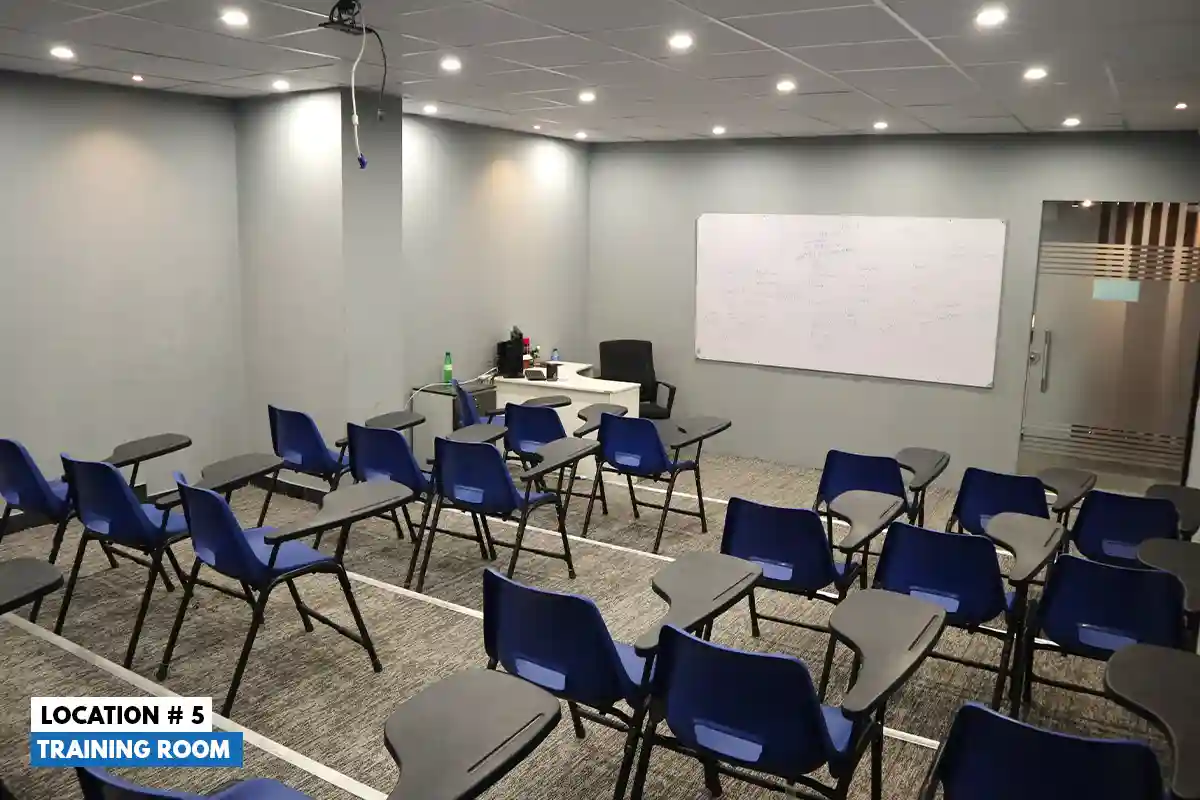

The shift: from punitive auditing to behavioral coaching
The old model treated quality as policing. An evaluator listened to a handful of random calls, marked a scorecard, and the agent's supervisor delivered the score, often weeks later. Agents learned to fear QA rather than use it.
Modern call center coaching flips that model in three ways:
- From scores to behaviors. A coaching session discusses what the agent did (didn't confirm the account number, interrupted twice), not just the score.
- From random samples to patterns. With automated QA scoring every interaction, coaches can see that an agent struggles with billing disputes specifically, not just that one call went badly.
- From one-way feedback to agent ownership. The agent reviews their own calls, sets the goal, and commits to the action plan. The coach asks questions rather than lecturing.
Note: Positive coaching isn't the same as soft coaching. You still name the gap clearly. The difference is that the session ends with a plan the agent believes in, not just a signature on a form.
For the measurement side of this process, see our guide to call center quality assurance best practices.
Traditional Manual Coaching vs. Real-Time AI Auto QA Coaching
Manual QA coaching is built on a small sample of calls reviewed by a person, so coaches see only a sliver of each agent's work. AI auto QA scores every interaction automatically, which lets coaches find patterns, pick the right calls to review, and give feedback within hours instead of weeks. The best programs use both: automation for coverage, humans for judgment and coaching.
The limits of manual call sampling
Most centers can only review a few calls per agent each month. In a Call Centre Helper poll of 115 contact centers (2013), 67% said they monitored six or fewer calls per agent per month, and 41% monitored four or fewer.
Here's what that coverage looks like for a typical full-time agent:
Calls handled: 50 calls/day x 21 working days = 1,050 calls/month
Calls reviewed: 4 calls/month
Coverage: 4 / 1,050 = about 0.4% of the agent's calls
At that sample size, three problems follow:
- Coaching on outliers. One bad call can define a month of coaching, even if it was unusual.
- Missed patterns. A habit that appears on 10% of calls may never show up in a four-call sample.
- Slow feedback. By the time the review and coaching session happen, the agent has repeated the behavior hundreds of times.
What 100% automated interaction analytics changes
Auto QA uses speech-to-text transcription and AI models to score every call, chat, and email against your scorecard. It flags compliance misses, sentiment drops, long silences, and escalation language. Coaches then spend their time on the interactions most worth discussing.
Master comparison table
|
Factor |
Traditional manual coaching |
Real-time AI auto QA coaching |
|
Coverage |
A few interactions per agent per month |
Up to 100% of recorded interactions |
|
Feedback velocity |
Days to weeks after the call |
Same day; real-time prompts during the call |
|
Bias level |
Higher: depends on which calls and which evaluator |
Lower on consistency, but models need calibration and human review |
|
Data sources |
Call recordings, evaluator notes |
Transcripts, sentiment, silence and talk-over data, CRM outcomes, scorecards |
|
Primary focus |
Scoring individual calls |
Finding behavior patterns and root causes |
|
Coach's role |
Listening and scoring |
Choosing what to coach and running the session |
|
CSAT/FCR impact |
Limited by small samples and slow feedback |
Stronger, because coaching targets the gaps that drive repeat contacts |
Note: Auto QA doesn't replace the coach. AI can tell you an agent skipped the verification step on 30 calls. It can't sit with the agent, understand why, and agree on a fix. Keep human evaluators calibrating the AI's scores against their own on a regular sample.
We covered the scoring side in depth in our guide to call center quality assurance software and call center monitoring.

Essential Call Center Coaching Models and Operational Rules
The most useful call center coaching models are GROW, for structuring a whole session, and SBI, for delivering a single piece of feedback. Two rules keep sessions on track: the 70/30 rule (the agent talks most) and the 80/20 rule (focus on the few gaps causing most problems).
The GROW model for contact center agents
GROW stands for Goal, Reality, Options, and Will (sometimes Way Forward). It was popularized in the UK by Sir John Whitmore, who first published it in Coaching for Performance (1992), alongside Graham Alexander and others. Its strength is that it makes the agent find the answer instead of being told.
|
Stage |
What it means |
Example coaching questions for call center agents |
|
Goal |
What the agent wants to achieve |
"What would a great billing call sound like to you?" "Which score do you want to move this month?" |
|
Reality |
Where they are now, using data |
"Your FCR on billing calls is 68% versus 80% for the team. What do you notice in these three calls?" |
|
Options |
Possible ways to close the gap |
"What could you try before transferring?" "Who on the team handles these well?" |
|
Will |
The committed action and deadline |
"What will you do differently starting today?" "How will we know it's working by next Friday?" |
Get Free Quotes
Customized Options Await
Example in practice: An agent's transfer rate on billing disputes is high. The coach doesn't say "stop transferring." They play back two calls, ask the agent where the call turned, and let the agent suggest using the refund-eligibility checklist before escalating. The agent commits to using it on every billing dispute for one week.

The SBI framework with real call examples
SBI (Situation, Behavior, Impact) is a feedback model from the Center for Creative Leadership (CCL). You describe the specific situation, the observable behavior, and its impact. CCL says the method reduces anxiety for the person giving feedback and defensiveness for the person receiving it. CCL's extended version adds a fourth step: ask about the person's intent.
|
Element |
Weak feedback |
SBI feedback |
|
Situation |
"On your calls…" |
"On Tuesday's 2:15 p.m. call with the customer disputing a late fee…" |
|
Behavior |
"You were rude." |
"…you interrupted her three times while she explained the charge…" |
|
Impact |
"That's bad for CSAT." |
"…she said 'you're not listening,' and the call ended with a supervisor request." |
|
Intent (SBII) |
(skipped) |
"What were you trying to do at that point in the call?" |
Note: Behavior means what you could see or hear on the recording. "You sounded annoyed" is an opinion; "you sighed and said 'as I already told you'" is a behavior.
What is the 70/30 rule in coaching?
The 70/30 rule is a coaching guideline: in a one-on-one session, the agent should talk about 70% of the time and the coach about 30%. It isn't a research-backed law, but it's a useful check. When agents analyze their own calls, they spot more of their own gaps, and they're more likely to follow through on a plan they designed themselves.
How to run a 70/30 session:
- Open with self-evaluation. "Before I share anything, how do you think this call went?"
- Play the recording and pause often. Ask the agent what they hear, rather than pointing it out.
- Use mostly open questions. "What," "how," and "walk me through" questions get longer answers than yes/no questions.
- Let silence work. Wait a few seconds after a question before filling the gap.
- Have the agent summarize the action plan. If the coach writes and states the plan, the session has drifted toward 30/70.

What is the 80/20 rule in a call center?
In a call center, the 80/20 rule (the Pareto principle) is a rule of thumb: most of your problems, such as repeat calls, escalations, and low scores, come from a small number of root causes. Quality pioneer Joseph Juran applied Pareto's idea to quality control and called it the "vital few." The split is rarely exactly 80/20, but the principle holds well enough to guide where you coach.
How to apply it:
- Pull all escalations, repeat contacts, and low-scoring calls for the last 30 days from your QA or analytics tool.
- Tag each one with a root cause (for example, wrong refund policy, missed verification, no ownership statement, system workaround).
- Rank the causes by volume. The top three or four usually account for most of the total.
- Decide whether each top cause is a skill gap or a process gap. Coach skill gaps; fix process gaps with operations or IT. No amount of coaching fixes a broken refund policy.
- Coach only the top skill gap for each agent until it's closed, then move to the next.
Types of coaching in a call center
|
Type |
How it works |
Best for |
|
Side-by-side coaching |
Coach sits with the agent (or joins remotely) during live calls and debriefs between calls |
New hires, new products, quick fixes |
|
Triad coaching |
A coach, an agent, and a senior coach or QA analyst review a call together; the senior person coaches the coach |
Calibrating team leaders and developing new coaches |
|
Peer-to-peer coaching |
A top performer shares how they handle a specific call type |
Skills that are easier to show than explain |
|
Behavioral micro-coaching |
Short 5–10 minute sessions on one behavior, often triggered by an auto QA flag |
Fast follow-up on a single habit |
|
Real-time coaching |
Supervisor whispers to the agent during a live call, or software shows prompts |
Complex or high-risk calls |
|
Scheduled one-on-one |
Weekly or bi-weekly structured session using GROW |
Ongoing development and goals |
Call center coaching styles
|
Style |
Coach behavior |
When to use it |
|
Directive |
Tells the agent exactly what to do |
Compliance breaches, new hires in week one |
|
Collaborative |
Agrees on goals and options together |
Most experienced agents |
|
Non-directive (facilitative) |
Asks questions; the agent finds the answer |
High performers and future team leaders |
For live coaching tools, see our guide to call whisper, which lets a supervisor speak to the agent without the customer hearing.
Get Free Quotes
Customized Options Await
Call Center Agent Coaching Form Template and Feedback Examples
A good call center coaching form records five things: current performance, the evidence behind it, the root cause, a SMART action plan, and both signatures. Keep it to one page so it gets used every session, and store it where the next coach can see the history.
Call center agent coaching form template
Copy this call center coaching form template into your QA tool, LMS, or a shared document.
CALL CENTER AGENT COACHING FORM
SECTION 1: SESSION DETAILS
| Agent name: ______________________ | Agent ID: ____________ |
| Team / queue: ____________________ | Tenure: ______________ |
| Coach: ___________________________ | Date: ________________ |
Session type: [ ] Scheduled 1:1 [ ] Side-by-side [ ] Micro-coaching
[ ] Triad [ ] Follow-up
Previous action plan completed? [ ] Yes [ ] Partly [ ] No
SECTION 2: PERFORMANCE SUMMARY (last 2-4 weeks)
| Metric | Agent | Team avg | Target |
| QA score | ______ | ______ | ______ |
| FCR | ______ | ______ | ______ |
| CSAT | ______ | ______ | ______ |
| AHT | ______ | ______ | ______ |
| Transfer/escalation | ______ | ______ | ______ |
SECTION 3: AUTO QA AND INTERACTION EVIDENCE
Interactions reviewed (IDs/dates): _______________________________
Auto QA flags this period (e.g., missed verification x12): _______
Sentiment or silence trends: ____________________________________
Strength observed (with example): _______________________________
Gap observed (with example): ____________________________________
SECTION 4: AGENT SELF-ASSESSMENT
What went well? _________________________________________________
What would you do differently? __________________________________
SECTION 5: ROOT CAUSE ANALYSIS (tick one)
[ ] Knowledge (doesn't know the policy/process)
[ ] Skill (knows it, can't yet do it smoothly)
[ ] Will/motivation (can do it, isn't doing it)
[ ] Process/system (tool, policy, or routing problem; escalate to ops)
Notes: __________________________________________________________
SECTION 6: SMART ACTION PLAN
Focus behavior (one only): ______________________________________
Specific action: ________________________________________________
Measure of success: _____________________________________________
Support from coach (side-by-side, peer call, job aid): ___________
Deadline / follow-up date: ______________________________________
SECTION 7: SIGN-OFF
Agent comments: _________________________________________________
| Agent signature: ________________ | Date: __________ |
| Coach signature: ________________ | Date: __________ |
Note: The root cause box matters more than it looks. If the cause is a process or system problem, the fix belongs to operations, not the agent. Track how often coaches tick that box; it's a direct read on the 80/20 rule in your center.
Call center coaching feedback examples
Use positive feedback to reinforce what you want repeated, and constructive feedback to correct one specific behavior. Both should follow SBI so the agent knows exactly what to keep or change.
Positive reinforcing feedback examples
- Ownership: "On yesterday's call about the duplicate charge, you said 'I'll stay on the line while I fix this.' The customer's tone changed right away, and she rated the call 5 out of 5. That ownership statement is exactly what we want on every billing call."
- Empathy: "When the caller mentioned his father had just passed away, you paused, said you were sorry, and offered to handle the account change for him. He thanked you by name in the survey."
- Efficiency: "Your AHT on password resets dropped from 7 to 5 minutes this month, and your FCR on those calls held steady. Using the reset shortcut is working. Would you be willing to show the new hires?"
Constructive behavioral correction examples
- Verification: "On Monday's 10:40 call, you discussed the balance before confirming the date of birth. Auto QA flagged the same step on 9 other calls this week. That's a compliance risk for us and the customer. What's getting in the way of verifying first?"
- Interrupting: "On the call with the delayed shipment, you started answering before the customer finished three times. She said she felt rushed and asked for a supervisor. Let's listen to the first minute together. What do you notice?"
- Unnecessary transfer: "You transferred this refund request to tier 2, but it was within the $50 limit you can approve. The customer waited 9 more minutes and had to explain again. What would help you feel confident approving these yourself?"
Note: Avoid the "feedback sandwich" (praise, criticism, praise) as a habit. Agents learn to wait for the "but." Give praise and correction separately, each with its own evidence.
Powerful coaching questions for call center agents
Open-ended questions are the engine of the 70/30 rule. Pick two or three per session.
|
Purpose |
Coaching questions |
|
Self-assessment |
"How do you think that call went?" "If you could replay one moment, which would it be?" |
|
Discovery |
"What was the customer really asking for?" "When did you know the call was going off track?" |
|
Root cause |
"What makes this call type harder than others?" "Is anything in the system slowing you down?" |
|
Options |
"What else could you have said there?" "How does your best colleague handle this?" |
|
Commitment |
"What one thing will you try on your next 20 calls?" "How will you remind yourself?" |
|
Support |
"What do you need from me to make this work?" "Would a side-by-side session help?" |
For more on building the skills behind these sessions, see our call center training program guide.
Call Center Coaching Software and Auto QA Integration
Call center coaching software with auto QA connects three steps that used to live in separate tools: scoring interactions, choosing what to coach, and tracking whether the coaching worked. The best tools score every interaction, assign coaching tasks automatically when a pattern appears, and show each agent's progress over time.
Features to look for in call center coaching tools
|
Feature |
What it does |
Why it matters for coaching |
|
Speech and text analytics |
Transcribes calls and reads chats and emails, then detects topics, keywords, and phrases |
Shows which behaviors happen across all interactions, not just a sample |
|
Automated scorecards |
Scores each interaction against your QA form |
Gives every agent a reliable score trend to coach against |
|
Real-time sentiment tracking |
Detects frustration, raised voices, or negative words during a call |
Lets a supervisor step in or the agent adjust before the call escalates |
|
Real-time agent prompts (agent assist) |
Shows next-best actions, knowledge articles, or compliance reminders on screen |
Coaches the agent in the moment, on the call that matters |
|
Coaching workflows |
Creates coaching tasks from QA flags, attaches the calls, and schedules follow-ups |
Turns findings into sessions without manual tracking |
|
Clip libraries |
Saves examples of great and poor handling |
Gives peer coaching and onboarding real material |
|
Calibration tools |
Compares AI scores with human evaluators' scores |
Keeps the automated scores trustworthy |
|
Dashboards and reporting |
Tracks QA, FCR, CSAT, and AHT before and after coaching |
Proves which coaching works |
Note: When comparing vendors, ask for results from customers in your industry and channel mix. Treat any "X% AHT reduction" claim as vendor-reported unless it comes with a named customer and method.
How real-time call center coaching software reduces AHT and escalations
Real-time coaching shortens calls and prevents escalations by giving agents the right answer while the customer is still on the line. The gains come from removing specific delays, not from rushing customers.
- Less searching. Agent assist surfaces the right knowledge article when it hears the topic, so agents spend less time on hold looking for answers.
- Fewer transfers. Prompts for policy limits (for example, "you can approve refunds up to $50") help agents resolve issues they would otherwise escalate.
- Early de-escalation. Sentiment alerts tell a supervisor which live call needs a whisper or a barge before the customer asks for a manager.
- Compliance on the call, not after. A reminder to read the required disclosure prevents a failed call instead of recording it.
- Faster wrap-up. Auto-generated call summaries reduce after-call work, which is part of AHT.
Note: Don't coach AHT on its own. Pushing agents to shorten calls without fixing the cause often lowers FCR, because rushed customers call back. Coach AHT and FCR together. See our guide to average handle time.
Building a call center coaching action plan
A coaching action plan works at two levels: each agent's plan (on the coaching form) and the program plan for the whole center.
Program-level execution flow:
- Baseline -> Record current QA, FCR, CSAT, AHT for each agent and team
2. Analyze -> Use auto QA and the 80/20 rule to find the top root causes
3. Separate -> Skill gaps go to coaching; process gaps go to operations
4. Assign -> One focus behavior per agent; schedule 1:1s and micro-sessions
5. Coach -> GROW for sessions, SBI for feedback, 70/30 talk ratio
6. Follow up -> Recheck the focus behavior after 1-2 weeks of calls
7. Measure -> Compare coached agents' KPIs with their baseline
8. Calibrate -> Monthly coach and evaluator calibration; review the AI scores
A suggested starting cadence:
|
Agent group |
Cadence |
|
New hires (first 90 days) |
Weekly 1:1 plus side-by-side sessions |
|
Experienced agents |
Bi-weekly 1:1 plus micro-coaching on auto QA flags |
|
Top performers |
Monthly development session; peer coaching role |
|
Agents on a performance plan |
Weekly, with written action plans and documented follow-up |
Measuring the ROI of call center coaching
Measure coaching ROI by comparing agents' KPIs before and after coaching, then converting the change into cost. Track the specific behavior you coached first, then the business metric it should move.
|
Metric |
What coaching should change |
How to value it |
|
FCR |
Fewer repeat contacts |
Repeat calls avoided x cost per call |
|
CSAT |
Better customer experience |
Link to retention or churn data where available |
|
AHT |
Shorter handling without lower FCR |
Minutes saved x cost per agent minute |
|
Escalation rate |
Fewer supervisor calls |
Supervisor time saved |
|
Agent attrition |
Better retention |
Hiring and training cost avoided per agent kept |
Here's a simple illustration using hypothetical numbers:
| Monthly calls: | 100,000 |
| FCR before coaching: | 70% → 30,000 calls need a repeat contact |
| FCR after coaching: | 73% → 27,000 calls need a repeat contact |
| Repeat calls avoided per month: | 3,000 |
| Assumed cost per call: | $5.00 |
| Monthly savings: | 3,000 x $5.00 = $15,000 |
According to SQM Group's 1:1 ratio, the same 3-point FCR gain would also come with about a 3-point CSAT gain. For broader improvement tactics, see how to improve call center agent performance and our guide to call center metrics.
Get Free Quotes
Customized Options Await
Conclusion
Call center coaching works when it is frequent, specific, and owned by the agent. Use auto QA to see every interaction, the 80/20 rule to pick the few gaps worth coaching, GROW to structure the session, SBI to deliver feedback, and the 70/30 rule to keep the agent doing the thinking. Then measure the result against FCR, CSAT, and AHT, and fix the process problems that no coaching session can solve.
|
If your center… |
Start with… |
|
Reviews only a few calls per agent each month |
Auto QA for full coverage, with human calibration |
|
Has scorecards but little behavior change |
Weekly GROW sessions with a one-behavior action plan |
|
Hears agents say coaching feels like punishment |
SBI feedback, self-assessment first, and separate praise from correction |
|
Sees the same escalations every week |
An 80/20 root cause review that splits skill gaps from process gaps |
|
Has long AHT on complex calls |
Real-time agent assist and whisper coaching |
|
Has new team leaders who've never coached |
Triad coaching with a senior coach |
|
Can't show coaching ROI |
Baseline KPIs per agent and before/after tracking |
Scale High-Performing Teams with Prime BPO
Building a coaching program takes trained team leaders, QA analysts, calibrated scorecards, and the discipline to coach every week. Prime BPO runs inbound, outbound, and customer support operations for clients in the USA and Pakistan. Our contact center operations are certified to ISO 18295-1:2017, the international standard for customer contact centers.
We can help you:
- Audit your current QA and coaching workflow, from scorecard design to how findings turn into coaching sessions.
- Staff and manage agent teams with quality monitoring and team-leader coaching built into daily operations.
- Improve the metrics that matter, including FCR, CSAT, AHT, and agent retention.
Explore our call quality assurance services and call center services, or schedule an operational audit at Prime BPO. You can also call +92-51-8733177.
Scale call center coaching with Prime BPO and turn your QA data into measurable agent performance.
Frequently Asked Questions
What is coaching in a call center?
Coaching in a call center is a regular, one-on-one process where a team leader or coach uses evidence from an agent's own calls, chats, or emails to improve specific behaviors. It differs from training, which teaches a group, and from QA auditing, which scores calls. Good coaching ends with an action plan the agent owns and is measured against FCR, CSAT, and AHT.
What is the 80/20 rule in a call center?
The 80/20 rule in a call center is the Pareto principle applied to quality: most repeat calls, escalations, and low scores come from a small number of root causes. Managers use it to rank problems by volume, coach the top skill gaps, and send process gaps to operations. The split is a rule of thumb, not an exact ratio. (Some centers also use "80/20" for a service level of 80% of calls answered in 20 seconds; that's a different meaning.)
What is the 70/30 rule in coaching?
The 70/30 rule in coaching is a guideline that the agent should talk about 70% of the time in a coaching session and the coach about 30%. The coach mostly asks open questions, plays back calls, and lets the agent assess their own performance. Agents who identify their own gaps are more likely to commit to fixing them.
How to effectively coach call center agents?
To coach call center agents effectively:
- Coach on a regular schedule, not only after a bad call.
- Use real interaction data, ideally from auto QA covering every call.
- Start with the agent's self-assessment.
- Give feedback with SBI: situation, behavior, impact.
- Focus on one behavior at a time.
- Agree on a SMART action plan with a follow-up date.
- Measure the behavior and the KPI it should move.
What should a call center coaching session include?
A call center coaching session should include a review of the previous action plan, recent performance data, two or three recorded interactions, the agent's self-assessment, feedback on one focus behavior, a root cause discussion, and a new SMART action plan signed by both people. Plan for about 20 to 30 minutes.
What is side-by-side coaching in a call center?
Side-by-side coaching is when a coach sits with an agent, in person or remotely, while they handle live calls. The coach observes, then gives quick feedback between calls. It works best for new hires and for practicing a new process.
Sources And 2026 Verification
All sources were opened on October 23, 2026.
Note: The 70/30 coaching rule is a widely used practitioner guideline, not a research finding. The 80/20 rule is a rule of thumb; actual splits vary. The ROI example uses hypothetical numbers to show the method. Software features describe the category, not any specific vendor; treat vendor performance claims as vendor-reported.
Sources
- SQM Group: First Call Resolution white paper: every 1% improvement in FCR comes with a 1% improvement in customer satisfaction.
- Call Centre Helper: How many calls do you monitor per agent per month?: poll of 115 contact centers (2013).
- Center for Creative Leadership: SBI and SBII feedback: Situation-Behavior-Impact model and the Intent extension.
- Wikipedia: GROW model: origins with Whitmore, Alexander, and Landsberg; Coaching for Performance (1992).
- Wikipedia: Pareto principle: Juran's application to quality control and the "vital few."