A customer asks about a delayed order on Instagram at 9 a.m. By noon they have emailed, and by 5 p.m. they are on hold on the phone. Each channel has a different agent, a different answer, and no memory of the others. The customer is not angry at a channel. They are angry at your brand.
This is the daily reality of multichannel customer support. Offering more ways to reach you is easy. Running those channels well, around the clock, at a cost that makes sense, is where most teams struggle.
Quick answer: Multichannel customer support means serving customers across several independent channels, such as phone, email, live chat, social media, and messaging, so they can choose how to reach you. It improves reach, speed, and satisfaction when the channels are staffed, measured, and kept consistent. Businesses that cannot scale this in-house often outsource it to a BPO partner.
This guide explains:
- What multichannel customer support is, and the main support channels
- Benefits for small businesses and enterprises
- The challenges of managing multiple channels, and how BPO companies solve them
- How multichannel support improves customer experience, and how it differs from omnichannel
- The KPIs that measure performance, and when to outsource to a partner like Primebpo
What Is Multichannel Customer Support?
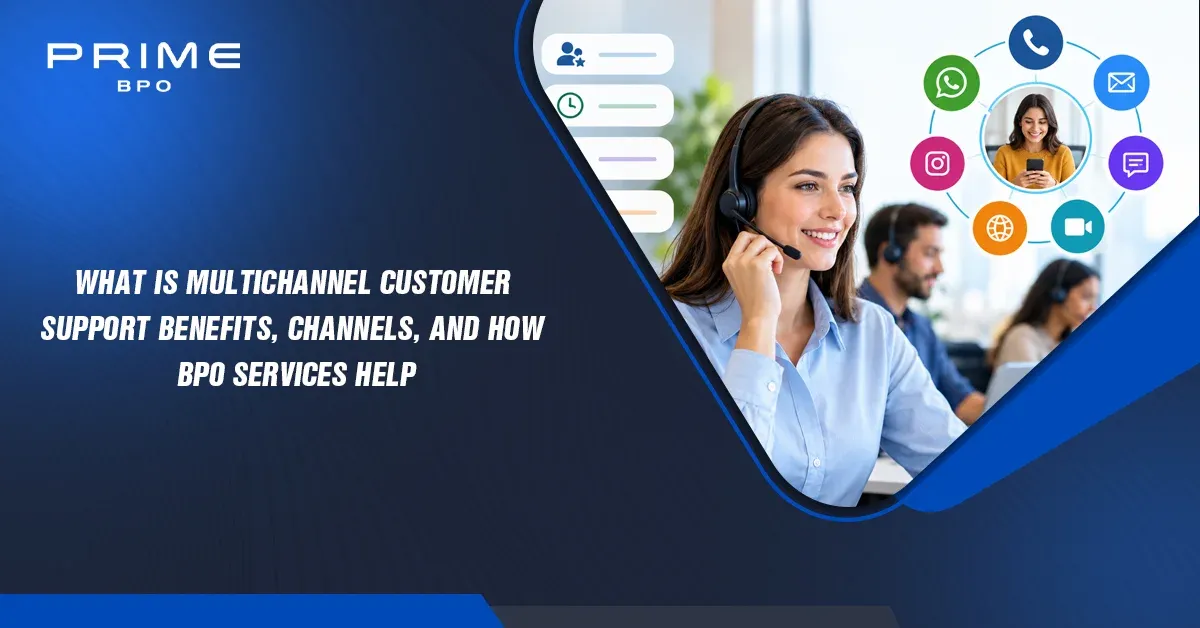
Multichannel customer support is a service model where a business supports customers on more than one communication channel, such as phone, email, live chat, social media, and messaging apps. Each channel works on its own, and the customer picks the one that suits them. It is the foundation of modern customer service, but it is not the same as an integrated omnichannel experience.
The idea is simple. Customers choose channels based on urgency, convenience, and comfort. A busy parent may text, an enterprise buyer may email, and a younger shopper may comment on social media. If you only support one or two channels, part of your audience goes unserved. Tidio's overview of multichannel customer service, for example, cites a Khoros figure that 62% of shoppers prefer to use several channels instead of one.
The term appears in different forms: multichannel customer service, multichannel contact center, and multichannel customer engagement. They all describe the same strategy: be reachable wherever your customers already are.
What Are the Main Customer Support Channels?
The main customer support channels are phone, email, live chat, social media, messaging apps, and self-service (help centers and forums). Each fits a different type of request. The phone is best for urgent or complex issues, email for detailed or documented queries, chat for quick answers, and social media for public, fast-moving conversations.
|
Channel |
Best for |
Typical customer |
Watch-out |
|---|---|---|---|
|
Phone / voice |
Urgent, complex, or emotional issues |
Customers who want a human right away; common for enterprise and older customers |
Highest cost per contact; needs queue and staffing control |
|
|
Detailed requests, documentation, billing |
Customers who can wait and want a written record |
Slow if not tracked; easy to lose in shared inboxes |
|
Website live chat |
Quick questions during browsing or checkout |
Online shoppers and mobile users |
Needs real-time coverage or it frustrates users |
|
Social media |
Public questions, complaints, brand reputation |
Younger, social-first customers |
Responses are public; speed expectations are high |
|
Messaging apps (WhatsApp, Messenger, SMS) |
Order updates, quick follow-ups |
Customers who want an informal, ongoing thread |
Needs clear opt-in and consistent tone |
|
Helpdesk, website, forums, knowledge base |
Self-service answers, community support |
Customers who prefer to solve problems themselves |
Must be kept accurate and current |
Speed expectations differ by channel. Tidio's roundup, citing a Convince & Convert survey, notes that about 42% of customers who complain on social media expect a response within 60 minutes. Email and forum users generally tolerate longer waits, while phone and chat customers expect near-immediate help.
Note: More channels do not automatically mean better service. Start with the channels your customers already use. Add a new one only when you can staff it, train for it, and measure it. A neglected channel hurts more than a missing one.

Benefits of Multichannel Customer Support for Businesses
The main benefits of multichannel customer support are wider reach, faster resolution, stronger customer engagement, better retention, and richer customer insight. For small businesses it levels the playing field. For enterprises it protects brand experience at scale.
Core benefits
- Wider reach. Customers can contact you through the channel they already use, which means fewer abandoned inquiries and fewer lost sales.
- Faster resolution. Quick questions go to chat or messaging, while complex cases move to phone or email. This reduces backlog and wait times.
- Higher engagement. Being present where customers already spend time makes it easier for them to ask, give feedback, and come back.
- Better retention. Customers who solve problems quickly in their preferred way are more likely to stay loyal and recommend you.
- Deeper insight. Every channel produces data on topics, sentiment, and resolution. Combined, it shows what to fix in your product, policies, and processes.
- Competitive differentiation. When products look alike, the support experience is often the deciding factor.
Benefits of multichannel customer support for small businesses
Small businesses do not need every channel. A practical starting point is email, phone, and one social or messaging channel, plus a simple knowledge base. This gives a small team credibility and flexibility without a large payroll. Freshworks notes that scalability lets smaller companies offer convenient, personalized service across channels without exceeding their budget. The risk is overstretching a few people. Outsourcing peak hours or after-hours coverage is a common way to avoid this.
Benefits for enterprise businesses
For enterprises, multichannel customer support spreads volume across channels, supports multiple regions and languages, and gives leadership channel-level data for planning. It also lets large organizations route different request types to specialized teams, such as billing, technical, or retention.
How multichannel support improves customer engagement
Engagement improves because the customer controls the conversation. They can start with a self-service search, switch to chat for a clarification, and finish by phone if needed. Each step is a chance to resolve the issue and strengthen the relationship, as long as the context is not lost between steps. That last condition is where many teams struggle.
Get Free Quotes
Customized Options Await
Common Challenges of Managing Multiple Support Channels
The biggest challenges of multichannel customer support are siloed data, inconsistent brand voice, rising costs, training overhead, and unpredictable ticket volume. Enterprises feel these most, but small teams hit them as soon as a second or third channel goes live.
|
Challenge |
What it looks like |
Typical fix |
|---|---|---|
|
Siloed channel data |
Customers repeat their story on each channel; agents cannot see past contacts |
Unified helpdesk and CRM with a single customer record |
|
Inconsistent brand voice |
Chat is casual, email is formal, phone gives different answers |
Style guide, shared knowledge base, and QA scoring across channels |
|
Rising operational cost |
Every added channel needs staff, tools, and training |
Channel mix review, automation for repeat questions, outsourced capacity |
|
Training overhead |
Agents need different skills for voice, written, and social |
Channel-specific onboarding and ongoing coaching |
|
Fluctuating ticket volume |
Seasonal spikes, campaigns, or outages overwhelm queues |
Flexible agent pools, real-time dashboards, and overflow routing |
|
Slow or uneven response |
One channel is fast while another is ignored |
SLA targets per channel and queue monitoring |
Why these challenges compound
Each problem makes the others worse. When data is siloed, agents take longer to answer. Longer handling times raise cost and queue length. Longer queues push customers to try another channel, which creates duplicate tickets. Sycurio makes a similar point: customers do not care that your internal tools are disconnected. They expect each interaction to feel like part of one conversation.
Channel-specific pain points
- Phone: Staffing to meet call arrival patterns. Too few agents mean long waits and abandoned calls. Too many mean idle costs.
- Email: Tickets without owners. Shared inboxes can hide aging requests.
- Live chat: Concurrency. An agent juggling too many chats gives slower, lower-quality replies.
- Social media: Public visibility. A slow or poor reply becomes a reputation issue.
- Messaging apps: Tone and consent. Informal channels still need compliance with opt-in and privacy rules.
Note: Before adding another channel, check whether your current ones meet their response targets. If they do not, fix that first. Adding capacity on top of broken workflows only spreads the problem.
How BPO Companies Manage Multichannel Customer Support
A BPO (business process outsourcing) company manages multichannel customer support by supplying trained agent teams, a centralized ticketing and helpdesk setup, continuous quality monitoring, and round-the-clock coverage. The client keeps control of brand and policy. The BPO runs day-to-day operations and capacity.
|
Challenge |
How a BPO addresses it |
|---|---|
|
Siloed data |
Works inside one helpdesk or CRM so every channel logs to a single customer record |
|
Inconsistent voice |
Dedicated teams trained on your scripts, tone, and knowledge base, then scored through QA |
|
Rising cost |
Converts fixed staffing cost into scalable capacity; pays for the hours and channels you need |
|
Training overhead |
Handles recruitment, onboarding, and channel-specific coaching |
|
Volume spikes |
Adds or reduces agents for seasonal peaks, launches, and outages |
|
Coverage gaps |
Staffs shifts so phone, chat, and email are covered 24/7 |

The operating model behind outsourced multichannel support
- Scope and channel design. The BPO and client agree which channels to run, volumes by hour, and service level agreements (SLAs) such as first response time and answer speed.
- Workforce planning. Staffing is forecast with queueing methods such as Erlang C for voice and concurrency limits for chat, then adjusted by interval.
- Unified tooling. Agents work from a shared helpdesk with templates, macros, and the client's knowledge base, so replies are consistent across channels.
- Quality assurance. Calls, chats, and emails are sampled and scored against a rubric. Coaching and calibration sessions close gaps.
- Reporting and improvement. Weekly and monthly reports on CSAT, FCR, FRT, and SLA compliance feed process changes and staffing decisions.
Quality frameworks matter here. ISO 18295-1 is an international standard for customer contact centers, covering requirements for how they are run. Look for a partner that holds it, and ask how it is audited.
Where Primebpo fits
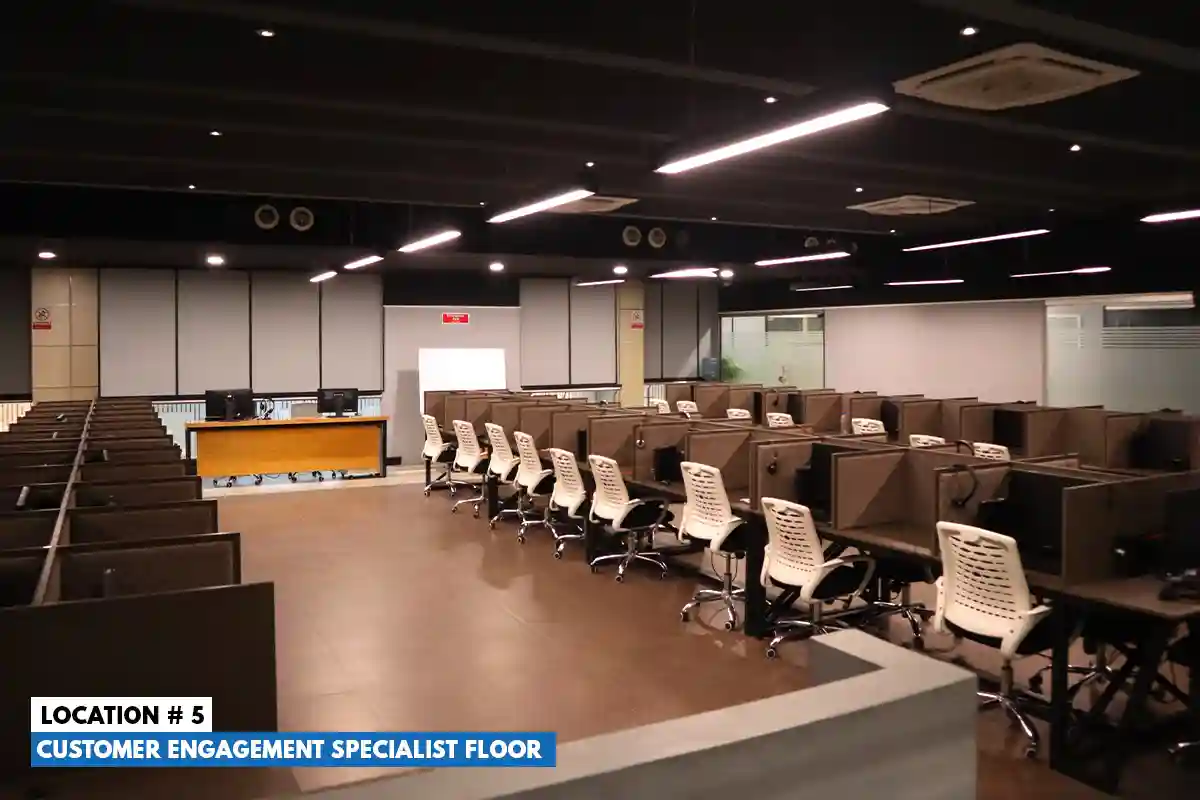
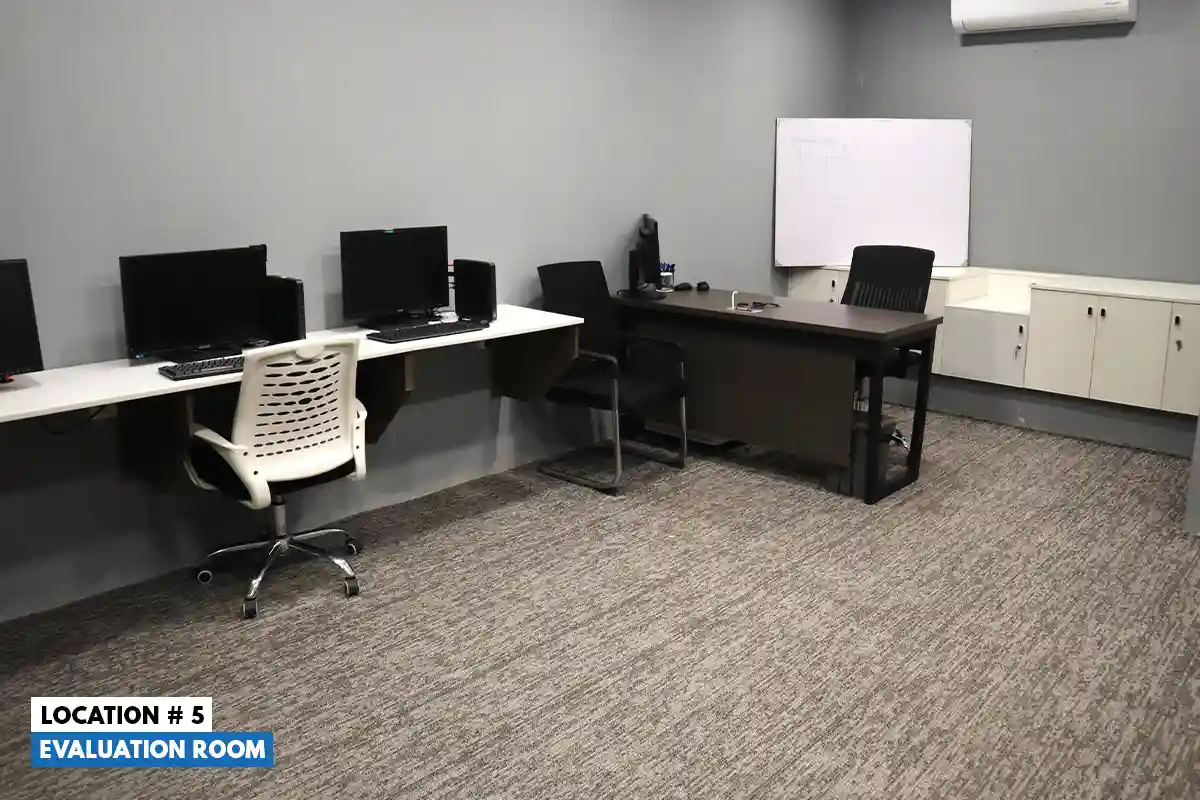
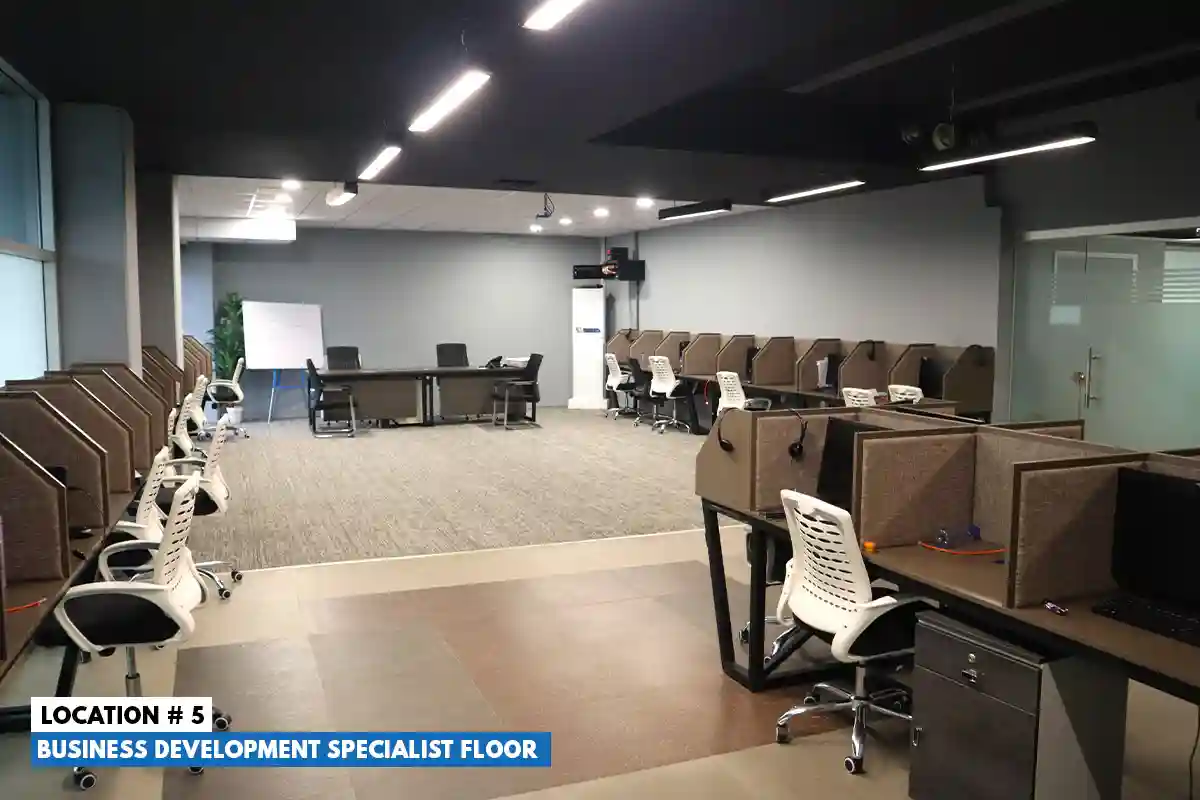
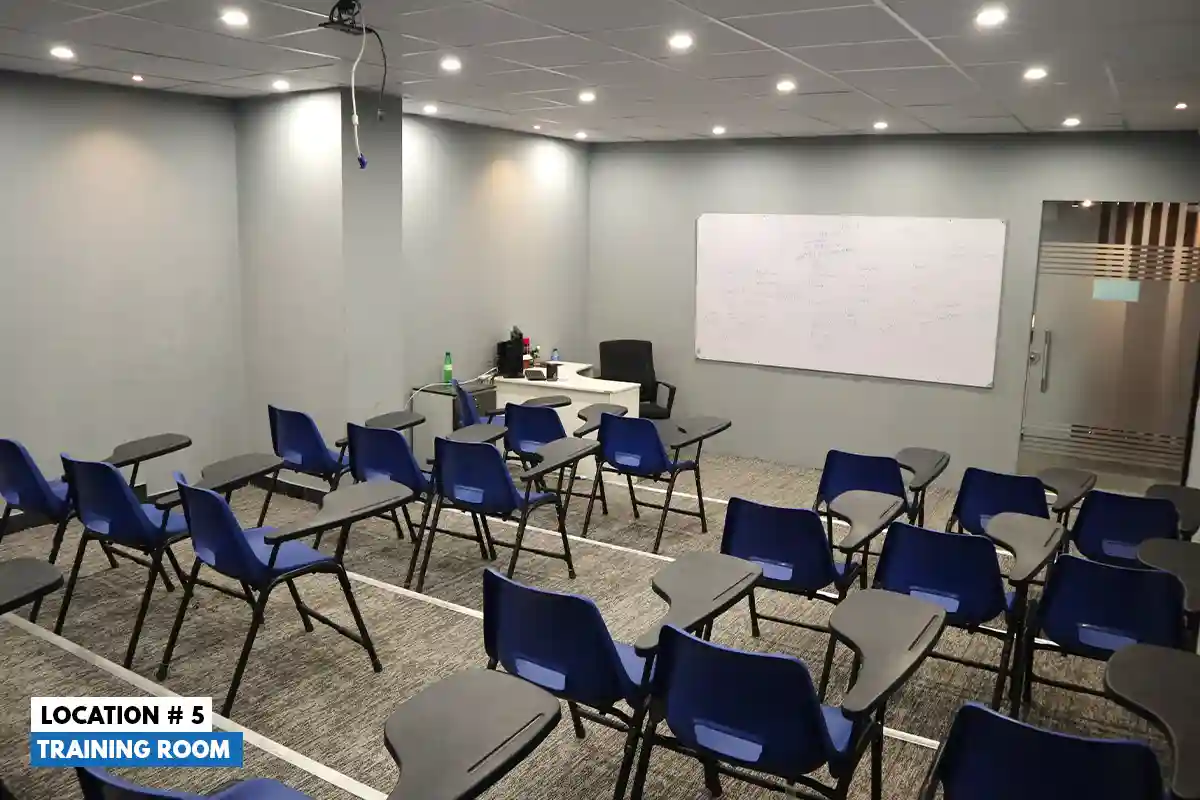
Primebpo provides outsourced customer service and call center solutions built around dedicated, scalable teams with 24/7 support. Prime BPO and Telecommunications is certified to ISO 18295-1:2017 for inbound and outbound customer contact and functional support. Its customer support offering covers phone, email, live chat, and social media, so businesses can run a multichannel desk without hiring and training a full in-house team. You can explore Primebpo contact center solutions or ask for a free consultation to map channels, volumes, and SLAs to your business.
Note: When you evaluate any BPO, ask for sample QA scorecards, real reporting examples, and details on agent training, data security, and escalation. A good partner shows these openly.
How Multichannel Support Improves Customer Experience
Multichannel support improves customer experience by shortening time to first response, raising first contact resolution, and giving customers a choice of how to be helped. The result is usually higher customer satisfaction (CSAT) and lower effort, provided that each channel is staffed and measured.
- Faster first response time (FRT). Matching the channel to the question sends simple requests to fast channels like chat and keeps phone lines free for complex cases.
- Higher first contact resolution (FCR). When agents have the customer's history and a shared knowledge base, more issues are solved in one interaction instead of three.
- Higher CSAT. Customers rate a company higher when they can use the channel they prefer and do not have to repeat themselves.
- Lower customer effort. Self-service and chat remove steps from simple tasks. Escalation to a human remains available for the rest.
- Better journey management. Channel data shows where customers get stuck, such as shipping questions that spike after a carrier delay, so you can fix the root cause.
Note: The gains above depend on execution. Having channels is not enough. Slow or inconsistent channels lower satisfaction, which is why monitoring and staffing matter as much as availability.
Multichannel vs. Omnichannel Customer Support
Multichannel support offers several separate channels, each handled independently. Omnichannel support connects those channels so context, data, and the conversation carry across them. Multichannel is channel-centric, while omnichannel is customer-centric.
|
Factor |
Multichannel |
Omnichannel |
|---|---|---|
|
Core idea |
Be available on many channels |
Make all channels work as one |
|
Data integration |
Limited; channels often have separate records |
Unified customer profile across channels |
|
Customer journey continuity |
Customers may repeat their issue when switching |
Context follows the customer between channels |
|
Technology stack |
Separate tools or light integration |
Unified helpdesk or contact center platform with CRM |
|
Agent view |
One channel at a time |
Full history in one workspace |
|
Implementation effort |
Lower; faster to launch |
Higher; needs integration and process design |
|
Best for |
Small teams and early-stage support desks |
Growing and enterprise teams focused on seamless CX |
Freshworks frames the difference as a collection of individual roads versus an interconnected highway system. Tidio and Sycurio draw the same line on integration.

Which should you choose?
Most businesses start multichannel and evolve toward omnichannel. A sensible path is to add channels, centralize them in one helpdesk, link the CRM, and then standardize routing and reporting. An outsourced partner can run a multichannel desk now and operate inside your omnichannel platform later, so you do not have to rebuild the team.
How to Measure Multichannel Customer Support Performance
Measure multichannel support with a small set of metrics tracked per channel and combined: CSAT, customer effort score (CES), NPS, first response time (FRT), first contact resolution (FCR), and SLA compliance. Tracking each channel separately shows where service is strong or weak, while the combined view shows the overall customer experience.
|
Metric |
What it measures |
Simple formula |
Why it matters |
|---|---|---|---|
|
CSAT |
Satisfaction with a specific interaction |
Satisfied responses ÷ total responses × 100 |
Fast read on service quality per channel |
|
CES |
How easy it was to get help |
Average score on an effort survey |
Predicts loyalty; flags friction |
|
NPS |
Likelihood to recommend your brand |
% promoters − % detractors |
Tracks overall relationship, not one contact |
|
FRT |
Time to the first human reply |
Average time from request to first reply |
Core speed measure, especially for email and social |
|
FCR |
Issues solved in one contact |
Resolved on first contact ÷ total issues × 100 |
Cuts repeat contacts and cost |
|
Average handle time |
Time spent per interaction |
Talk or work time + after-contact work ÷ contacts |
Capacity and cost planning (use alongside quality) |
|
Abandonment rate |
Customers who leave before being served |
Abandoned contacts ÷ total contacts × 100 |
Shows understaffing on phone and chat |
|
SLA compliance |
How often targets are met |
Contacts within target ÷ total contacts × 100 |
Contract-level accountability |












Set channel-specific SLA targets
A single target for all channels does not work. The table below shows common starting points. They are illustrative and not guarantees, so set your own by industry, customer expectations, and budget.
|
Channel |
Common first-response starting point |
|---|---|
|
Phone |
Answer a set share of calls within 20–30 seconds (for example 80/20) |
|
Live chat |
Within about one minute |
|
Social media |
Within about one hour |
|
|
Within 4–24 business hours |
|
Messaging apps |
Within a few minutes during staffed hours |
How to evaluate performance across disparate channels
- Tag every contact by channel and reason. Without tagging, you cannot compare.
- Normalize metrics. Compare FRT only against the target for that channel, not against other channels.
- Track repeat contact. If customers contact you on a second channel about the same issue, something failed on the first.
- Combine quantitative and qualitative review. Pair metrics with QA scoring and sampled transcripts.
- Review weekly and monthly. Weekly for staffing and queue issues, monthly for trends and process changes.
Note: Do not reward speed alone. A low handle time with a low FCR means customers are being rushed and returning. Balance speed, quality, and resolution.
When Should a Business Outsource Multichannel Customer Support?
Outsource multichannel customer support when demand outgrows what your in-house team can staff, train, and measure at a reasonable cost. Common triggers are seasonal spikes, high abandon rates, a need for 24/7 coverage, new channels you cannot staff, and expansion into new markets.

Decision checklist
If you tick three or more of these, outsourcing is worth evaluating:
- ☐ Phone or chat abandon rates are rising, or queues regularly exceed your targets
- ☐ Seasonal or campaign spikes force overtime or temporary hiring every year
- ☐ Customers need support outside your office hours
- ☐ You want to add channels (chat, social, messaging) but lack trained staff
- ☐ Your best people spend more time on routine tickets than on growth
- ☐ Hiring, training, and attrition take up a large share of management time
- ☐ You are launching in a new region, time zone, or language
- ☐ You need documented QA, reporting, and SLAs but have no capacity to build them
In-house, outsourced, or hybrid?
|
Model |
Best for |
Trade-off |
|---|---|---|
|
In-house |
Complex, high-touch products and strong internal expertise |
Higher fixed cost; harder to scale quickly |
|
Outsourced |
Predictable volume, peak handling, 24/7 coverage, cost control |
Needs onboarding, clear scripts, and ongoing QA oversight |
|
Hybrid |
Core team handles escalations; BPO handles tier 1 and overflow |
Needs clean handoffs and shared tooling |
For e-commerce, telecom, and subscription businesses, a hybrid model is often the most practical: a small internal team owns policy and escalations, and a partner runs high-volume channels such as chat, email, and inbound calls.
Why Primebpo is a strong option for scalable multichannel support
Primebpo positions its outsourcing around dedicated teams, flexible and scalable capacity, and 24/7 support, with ISO 18295-1:2017 certification for customer contact services. Its services include call center solutions, customer service, lead generation, and back office operations. That range lets growing companies start with inbound customer support and add other functions later without switching vendors.
To get started, scale your support team with Primebpo by requesting a free consultation. Bring your current channels, monthly volume by channel, peak periods, and target SLAs, and ask for a staffing and cost proposal built around them.
Note: Before signing with any BPO, run a pilot on one or two channels, agree on KPI definitions up front, and set a regular review rhythm. Outcomes depend on clear scope and good collaboration.
Conclusion: Build Multichannel Support That Scales
Multichannel customer support gives customers the freedom to reach you in the way that suits them, and it gives your business reach, speed, and insight. The strategy only works when channels are consistent, measured, and staffed for real demand. Start with the channels your customers use, track CSAT, FRT, FCR, and SLA compliance by channel, and move toward connected, omnichannel workflows as you grow.
When volume, hours, or channels outgrow your team, outsourcing is the fastest way to add trained capacity without the cost and delay of hiring.
Scale Your Multichannel Support With Primebpo
Primebpo helps businesses build outsourced multichannel customer support with dedicated, scalable teams, 24/7 coverage, and ISO 18295-1:2017 certified customer contact operations. Whether you need to cover phone, email, chat, and social media, handle seasonal peaks, or extend support beyond office hours, Primebpo can design a team around your volumes and SLAs.
- Map your current channels, volumes, and peak periods.
- Agree on targets for FRT, FCR, CSAT, and SLA compliance.
- Start with a pilot, then scale your support team with Primebpo as results come in.
Book a free consultation with Primebpo · Explore Primebpo contact center solutions · Visit primebpo.com
Get Free Quotes
Customized Options Await
Frequently Asked Questions
What is multichannel customer support?
Multichannel customer support is a service approach where a business helps customers across several channels, such as phone, email, live chat, social media, and messaging. Each channel operates independently, and customers choose the one they prefer.
What is the difference between multichannel and omnichannel customer support?
Multichannel offers many channels that may not share data. Omnichannel connects those channels so context and history follow the customer from one to the next. Multichannel is faster to launch, while omnichannel delivers a more seamless experience.
What are the benefits of multichannel customer support for small businesses?
Small businesses gain wider reach, faster answers, and a more professional image without a large team. Starting with email, phone, and one social or messaging channel is usually enough, and extra capacity can be added later or outsourced.
Which channels should a business support first?
Start with the channels your customers already use. For most companies that means email, phone, and either live chat or a messaging app, plus a self-service knowledge base. Add social media support if customers regularly contact you there.
How do BPO companies manage multichannel customer support?
BPOs supply trained agent teams, a shared helpdesk, scheduled staffing around demand, continuous quality monitoring, and 24/7 coverage. They report on KPIs such as CSAT, FCR, FRT, and SLA compliance, and adjust staffing as volumes change.
What should I look for in an outsourced multichannel support partner?
Look for relevant channel experience, dedicated agents trained on your brand, clear SLAs, transparent QA and reporting, data security practices, scalability for peaks, and a recognized quality standard such as ISO 18295-1. Ask for a pilot before committing.
Can outsourced customer service teams support e-commerce and telecom?
Yes. Both are high-volume, multichannel environments with recurring requests such as order status, returns, billing, and plan changes. These are well suited to outsourced inbound teams working inside your helpdesk and CRM, with complex cases escalated to your internal staff.
How do I measure whether multichannel support is working?
Track CSAT, CES, NPS, FRT, FCR, abandonment, and SLA compliance by channel. Compare each channel to its own target and watch for repeat contacts across channels, which signal a failed first interaction.
Sources And 2026 Verification
Definitions, channel descriptions, and best practices in this guide were checked against vendor and industry guides on multichannel customer service. Details about Primebpo's services, 24/7 support, dedicated teams, and ISO 18295-1:2017 certification come from Primebpo's own website. Descriptions of the ISO 18295 standard and queueing methods such as Erlang C reflect general industry knowledge.
The SLA targets in this guide are illustrative starting points, not guarantees or Primebpo commitments. Actual targets, pricing, and service scope depend on your contract. Third-party statistics are attributed to the page that reported them and may come from older surveys.
- Freshworks: Multichannel customer support, what it is and why it matters (opened Oct 12, 2026)
- Tidio: What is multichannel customer service? (opened Oct 12, 2026; cites Khoros and Convince & Convert data)
- Sycurio: What is multichannel customer service and why is it important (opened Oct 12, 2026)
- Primebpo: What is multichannel customer support? (opened Oct 12, 2026)
- Primebpo: Home (opened Oct 12, 2026)