



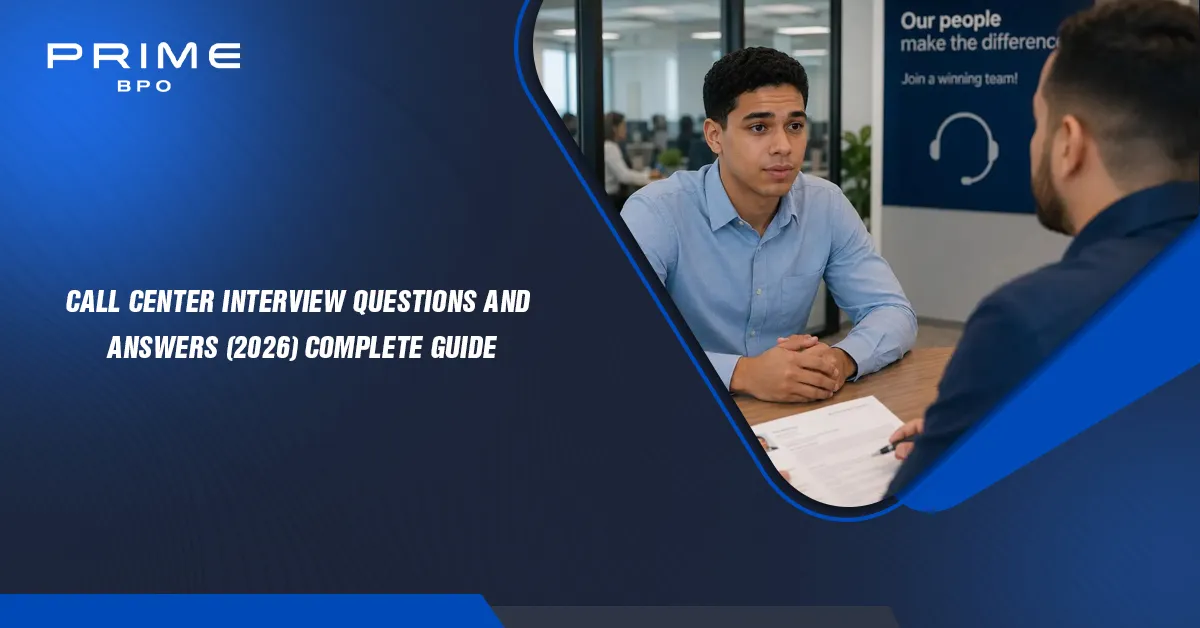
Most call center interviews test the same few things: can you speak clearly, stay calm with an upset caller, follow a process, and show up for your shift. The questions change in wording, but recruiters are scoring the same skills every time.
Quick answer: To pass a call center interview, prepare a 60-second introduction, practice answers about angry customers and stress using the STAR method, show you understand metrics like CSAT and FCR, confirm your shift flexibility, and speak clearly and calmly throughout.
How to Pass a Call Center Interview
Call center recruiters look for five things: clear communication, empathy, problem-solving, resilience under pressure, and basic awareness of performance metrics such as Customer Satisfaction (CSAT), First Call Resolution (FCR), and Average Handle Time (AHT). Experience helps, but most entry-level hiring decisions come down to how you sound and how you think on the spot.
The U.S. Bureau of Labor Statistics lists the same core qualities for customer service representatives: communication, customer-service, interpersonal, and listening skills, plus patience and problem-solving.
How do I pass a call center interview? 5 preparation steps
- Research the account and process. Inbound support, outbound sales, technical support, and verification roles test different skills. Read the job post closely.
- Prepare a 60-second introduction. "Tell me about yourself" is almost always the first question.
- Write three STAR stories. One about a difficult person, one about solving a problem, and one about working under pressure.
- Learn the basic metrics. Know what CSAT, FCR, and AHT mean and why they matter.
- Practice out loud, by phone. Many first rounds are phone screens. Record yourself and listen for pace, clarity, and filler words.
Call center interview rubric: how you're scored
|
Skill |
What the recruiter listens for |
Strong signal |
Weak signal |
|
Communication |
Pace, clarity, grammar, tone |
Short, clear sentences |
Rambling, filler words |
|
Empathy |
Acknowledging feelings before solving |
"I understand how frustrating that is" |
Jumping straight to policy |
|
Problem-solving |
Logical steps, asking questions |
Clarifies, then resolves |
Guessing or blaming |
|
Resilience |
Calm under pressure, coping methods |
Specific routine for stress |
"I never get stressed" |
|
Metric awareness |
Understanding quality and speed |
Balances FCR and AHT |
Focuses on speed only |
|
Reliability |
Attendance, schedule flexibility |
Clear yes on shifts |
Vague about availability |












The power of the STAR method in BPO interviews
The STAR method (Situation, Task, Action, Result) is the standard way to answer behavioral interview questions. It keeps your answer short, specific, and easy for the interviewer to score.
- Situation: Set the scene in one sentence.
- Task: Say what you needed to achieve.
- Action: Explain the steps you took. This should be the longest part.
- Result: Share the outcome, with a number if you have one.
Note: You don't need call center experience to use STAR. School projects, retail jobs, family businesses, and volunteer work all count.

Get Free Quotes
Customized Options Await
Top 10 Most Common Call Center Interview Questions & Answers
These are the call center interview questions with answers that come up in almost every agent interview, inbound or outbound. Use the sample answers as a structure, then replace the details with your own.
1. "Tell me about yourself."
Give a 60-second pitch: who you are, relevant experience or skills, and why this role. Don't recite your whole life story.
Fresher sample answer:
"I recently finished my bachelor's degree in business. During university, I worked part-time at a mobile phone shop, where I helped customers choose plans and solve billing questions. I enjoyed calming people down when they were confused and finding the right answer for them. I'm comfortable with computers, I type about 40 words per minute, and I'm available for night shifts. I'm applying here because I want to build a career in customer service, and this role would let me use those skills every day."
Experienced agent sample answer:
"I've worked as a customer service representative for two years on an inbound telecom account, handling around 60 to 80 calls a day. I consistently met my quality targets and was asked to help mentor new hires during nesting. I'm now looking for a role where I can keep growing, possibly toward quality or team leadership."
2. "Why do you want to work in a call center?"
Show genuine interest in helping people and in the career path, not just the salary.
"I like solving problems and talking to people, and a call center lets me do both all day. I also know the BPO industry offers clear growth, from agent to quality analyst or team leader, and I want to build skills like communication and problem-solving that will help me in any career."
3. "What is your definition of excellent customer service?"
"Excellent customer service means solving the customer's problem correctly the first time, while making them feel heard. It's being polite and patient, explaining things clearly, and following through on anything I promise."
4. "How do you handle an angry or irate customer?"
Interviewers want a calm, repeatable method: listen, empathize, apologize, solve, confirm. This is one of the most important call center customer service interview questions.
"First, I let the customer finish without interrupting, because most angry callers want to be heard. Then I acknowledge their frustration, something like, 'I understand why that's upsetting, and I'm going to help you fix it.' I apologize for the inconvenience, ask clear questions to understand the issue, and explain what I can do. I never take it personally. Before ending the call, I confirm the issue is resolved and thank them for their patience."
5. "How do you handle high-stress environments and repetitive tasks?"
"I stay focused on one call at a time. If a call is tough, I take a few seconds to reset before the next one. I also keep a routine: I prepare my notes and tools before my shift, and I use my breaks to step away from the screen. Repetition doesn't bother me, because every caller is a different person with a different problem."
6. "What are your strengths and weaknesses?"
Choose a strength that fits the job and a real weakness you're actively fixing.
"My biggest strength is patience. I stay calm even when someone is upset, and I explain things in a simple way. A weakness I'm working on is that I sometimes spend too long trying to perfect one task. I've started using time limits and checklists so I can stay thorough but keep moving."
7. "Where do you see yourself in 3 to 5 years?"
"I want to become one of the top agents on the team, then grow into a role like quality analyst or team leader. I'd like to learn the business well enough to help coach other agents."
8. "Are you comfortable working night shifts, weekends, and holidays?"
Be honest. Schedule reliability is a major hiring factor, especially for offshore BPOs supporting U.S. customers.
"Yes. I understand this account supports customers in another time zone, so night shifts are part of the job. I've already arranged my transportation and family responsibilities so I can work the schedule reliably, including weekends and holidays when needed."
For what night work involves, see our guide to night shift call center jobs.
9. "How do you balance First Call Resolution (FCR) and Average Handle Time (AHT)?"
Show that you understand quality and speed both matter, and that resolving the issue comes first.
"FCR measures whether the customer's issue is solved on the first contact, and AHT is the average length of a call, including hold and after-call work. I focus on resolving the issue correctly, because a repeat call costs more time in the end. To keep handle time efficient, I learn the knowledge base well, use clear questions to get to the root cause quickly, and keep my notes short while I'm on the call."
Learn more about First Call Resolution and Average Handle Time.
10. "Why should we hire you over other candidates?"
"I combine clear communication with a calm, patient attitude, and I'm reliable. I'll be on time for every shift, I learn quickly, and I care about getting things right for the customer. I'm also ready for the schedule, so you won't have to worry about my attendance."
Master answer framework for common questions
|
Question |
Core skill evaluated |
Answering formula |
Key phrase to include |
|
Tell me about yourself |
Communication |
Present → past → why this role |
"I enjoy helping people solve problems" |
|
Why a call center? |
Motivation |
Interest → skills → growth |
"Clear career path" |
|
Excellent customer service |
Customer focus |
Solve right + make them feel heard |
"Resolve it the first time" |
|
Angry customer |
Empathy, de-escalation |
Listen → empathize → solve → confirm |
"I understand why that's upsetting" |
|
Stress and repetition |
Resilience |
Method → routine → attitude |
"One call at a time" |
|
Strengths and weaknesses |
Self-awareness |
Relevant strength + real weakness + fix |
"I've started using…" |
|
3–5 years |
Ambition, retention |
Excel now → grow internally |
"Grow with the team" |
|
Night shifts |
Reliability |
Clear yes + arrangements made |
"I've already arranged…" |
|
FCR vs. AHT |
Metric awareness |
Define both → quality first → efficiency tactics |
"A repeat call costs more" |
|
Why hire you? |
Fit |
Skill + attitude + reliability |
"You can count on me" |
Entry-Level & Fresher Call Center Interview Questions (No Experience)
If you have no call center experience, recruiters judge you on communication, attitude, trainability, and reliability. Your answers should connect everyday experience, such as school, part-time jobs, or family responsibilities, to the skills the job needs.
Call center interview questions and answers for no experience
You have no call center experience. Why should we consider you?
I may not have worked in a call center yet, but I've built the skills it needs. I've handled customers at my family's shop, I explain things clearly, and I stay patient when people are frustrated. I'm also a fast learner and I'm ready to follow your training and processes exactly."
What do you know about the BPO industry?
"BPO companies handle services like customer support, sales, and back-office work for other businesses. Many serve clients in other countries, which is why accuracy, English communication, and schedule reliability are so important."
How comfortable are you with computers?
"Very comfortable. I use Microsoft Office and Google tools every day, I can type quickly and accurately, and I'm used to switching between several windows. I'm confident I can learn a CRM system quickly."
How would you handle a question you don't know the answer to?
"I wouldn't guess. I'd tell the customer I'm going to check the right information, place them on a brief hold if allowed, and look it up in the knowledge base or ask my team lead. Then I'd come back with an accurate answer."
Highlighting transferable skills
|
Transferable skill |
Where freshers usually build it |
How to say it in an interview |
|
Active listening |
Tutoring, group projects, retail |
"I listen fully before I respond, so I understand the real problem." |
|
Adaptability |
Changing class schedules, part-time jobs |
"I adjust quickly when plans or rules change." |
|
Computer literacy |
Coursework, online work |
"I'm comfortable using several applications at once." |
|
Empathy |
Caring for family, volunteering |
"I can see things from the other person's view." |
|
Resilience |
Sports, exams, demanding jobs |
"I stay calm and keep going under pressure." |
For practical first-week advice, read our call center tips for newbies.
Regional insights: Philippines, Pakistan, and other offshore BPO hubs
Offshore BPO interviews usually focus heavily on spoken English, a neutral and easy-to-understand accent, and willingness to work hours that match U.S. or other overseas customers.
What to expect:
- English assessments. Many employers run a spoken and written English test, a typing test, or a short voice recording before or after the interview.
- Mock calls. You may be asked to role-play a customer call, such as a billing complaint or a sales pitch.
- Night-shift questions. Expect direct questions about transport, family commitments, and long-term ability to work overnight.
- Account fit. Interviewers may ask whether you're comfortable with sales targets, technical troubleshooting, or verification scripts.
Sample answer for Philippines call center interviews ("Why should we hire you?"):
"I'm confident in my English, I'm patient with customers, and I'm fully available for the graveyard shift. I take feedback seriously, so I'll learn your process quickly and keep improving during nesting."
Sample answer for Pakistan BPO interviews ("Can you handle a U.S. accent and culture?"):
"Yes. I watch American shows and listen to U.S. podcasts regularly, so I understand different accents and common expressions. If I miss something on a call, I politely ask the customer to repeat it rather than guess."
Note: Avoid memorizing answers word for word in an accent test. Natural, clear speech scores better than a forced accent.
Behavioral, Situational, & Scenario-Based Questions
Behavioral interview questions for call center roles ask what you did in the past; situational and scenario questions ask what you would do. Answer both with the STAR method, and keep each answer to about one to two minutes.
Common behavioral and situational questions:
- "Tell me about a time you went above and beyond for a customer."
- "Describe a time you solved a problem you didn't know how to fix at first."
- "What would you do if a customer demanded a supervisor?"
- "Tell me about a time you handled several tasks under pressure."
- "Describe a time you received critical feedback."

Scenario 1: A time you went above and beyond for a customer
Situation: "At my retail job, an elderly customer came in because her new phone wasn't receiving calls, and she was worried about missing calls from her doctor." Task: "My job was just to process sales, but I wanted to make sure she left with a working phone." Action: "I checked her settings, found that call forwarding had been switched on by mistake, turned it off, and then made a test call with her. I also wrote down simple steps so she could check it herself in the future." Result: "She left relieved, and she came back the next week to thank my manager by name."
Scenario 2: A technical issue you couldn't solve immediately
Situation: "A customer called because their internet kept disconnecting, and the usual restart steps didn't work." Task: "I needed to find the cause without keeping them on the line too long." Action: "I told the customer I'd check further, searched the knowledge base for the error code, and found a known area outage. I explained it honestly, gave the expected repair time, and set a follow-up so they'd be updated." Result: "The customer thanked me for being clear instead of making them repeat steps that wouldn't help, and the issue was closed once the outage was fixed."
Scenario 3: A dissatisfied customer demanding a supervisor
Interviewers want to see that you try to resolve the issue yourself first, but escalate correctly when it's needed.
Situation: "A customer was angry about a late refund and demanded to speak with a manager right away." Task: "I wanted to solve it if I could, and escalate properly if I couldn't." Action: "I apologized, told them I understood why they were upset, and asked for one minute to check the account. I found the refund was approved but delayed by a processing error. I explained what I'd found and offered to expedite it. The customer still wanted a supervisor, so I summarized the case for my team lead before transferring, so the customer didn't have to repeat anything." Result: "The supervisor confirmed my solution, and the refund was processed within two days. My team lead later used the call as an example of a clean escalation."
Note: Never say "There's nothing I can do." Say what you can do, and when you'll do it.
Outbound call center interview questions
Outbound and sales roles test confidence, handling rejection, and following compliance scripts. Common outbound and call center sales interview questions:
- "How do you handle rejection?"
- "How would you respond if a customer says they're not interested?"
- "Sell me this pen."
- "How do you stay motivated when you miss a target?"
Sample answer ("How do you handle rejection?"):
"I don't take it personally. A 'no' usually means the timing or the offer isn't right for that person. I note what I could improve, stay positive, and move to the next call with the same energy. Every call is a fresh chance."
Sample answer ("What do you do if the customer says they're not interested?"):
"I respect their answer. If my script allows, I ask one short question to see if there's a real need I missed. If they still say no, I thank them politely and end the call. I always follow the compliance rules, including do-not-call requests."
For sales role details, see our guides to closer jobs and verifier jobs.
The STAR method execution blueprint
|
STAR component |
Definition |
What the candidate must state |
Sample response segment |
|
Situation |
The context |
Where, when, who (one or two sentences) |
"A customer called angry about a late refund…" |
|
Task |
Your responsibility |
What you needed to achieve |
"I needed to resolve it or escalate properly…" |
|
Action |
The steps you took |
Specific actions using "I," not "we" |
"I apologized, checked the account, and found…" |
|
Result |
The outcome |
Measurable or clear result, plus what you learned |
"The refund was processed within two days…" |
Get Free Quotes
Customized Options Await
Leadership & Quality Assurance Interview Questions (QA, TL, Supervisor, Manager)
Leadership and QA interviews move past "Can you handle a call?" to "Can you improve other people's calls?" Expect questions on metrics, coaching, calibration, and data-driven decisions.
Call center quality analyst and QA coach interview questions
How do you evaluate a call?
I use the QA form for that account, which usually covers the greeting and verification, listening and empathy, accuracy of information, compliance statements, resolution, and the closing. I score against the standard, not my personal preference, and I note specific timestamps so the agent can hear exactly what I mean.
What is calibration, and why does it matter?
Calibration is when QA analysts, team leads, and sometimes the client score the same calls and compare results. It keeps scoring consistent, so agents trust the process and different reviewers don't give different scores for the same behavior.
An agent disputes your QA score. What do you do?
I listen to the call again with the agent and walk through the form line by line. If I made a mistake, I correct the score. If not, I explain the standard and give a clear example of what a full-credit answer sounds like. The goal is improvement, not winning the argument."
Read more about the quality analyst role and call quality assurance services.

Call center team leader and supervisor interview questions
How would you coach an underperforming agent?
First I look at the data to find the specific gap, such as low quality scores on verification or long hold times. Then I meet the agent one-on-one, listen to a few calls together, and agree on one or two clear goals. I follow up weekly with side-by-side coaching and recognize improvement quickly. If performance doesn't improve after support, I follow the formal performance process fairly and document it."
Which KPIs do you track daily?
"Service level and answer time, AHT, FCR, quality scores, CSAT, adherence to schedule, and attendance. I look at trends, not single days, and I compare each agent against the team so I know where to focus coaching."
How do you handle a team member who's often late?
"I talk to them privately to understand the reason, because sometimes there's a fixable problem like transport. I explain the impact on the team and the schedule, set a clear expectation, and document the conversation. If it continues, I follow the attendance policy consistently."
Our call center coaching guide covers coaching models in more depth.
Call center operations manager interview questions
How would you improve CSAT across the floor?
"I'd start by finding the main reasons for low scores in survey comments and call drivers. Often it's repeat contacts, long waits, or unclear policies. I'd fix the biggest drivers first, for example by improving the knowledge base, retraining on the top call types, and working with workforce management to improve staffing at peak times. Then I'd track CSAT and FCR weekly to confirm the change."
How do you reduce shrinkage?
"Shrinkage is the share of paid time agents aren't available to take calls, from breaks, training, meetings, absence, and so on. I separate planned from unplanned shrinkage, tighten schedule adherence, plan training and meetings for low-volume periods, and address absenteeism patterns early."
What's a good First Call Resolution rate?
"SQM Group's benchmarks put the industry average around 71%, with 80% or higher considered world-class, which only a small share of centers reach. But the right target depends on the account and call types."
For more on leadership, see our call center management guide and workforce management guide.
Core BPO role evaluation matrix
|
Role |
Main skills tested |
Typical questions |
Key metrics to mention |
|
Agent / CSR |
Communication, empathy, reliability |
Angry customer, stress, shifts |
CSAT, FCR, AHT |
|
Outbound sales / closer |
Persuasion, resilience, compliance |
Rejection, objections, "sell me" |
Conversion rate, sales per hour |
|
Quality analyst / QA coach |
Objectivity, attention to detail, feedback |
Scoring, calibration, disputes |
Quality score, compliance rate |
|
Team leader / supervisor |
Coaching, motivation, discipline |
Underperformers, attendance |
Team quality, adherence, AHT |
|
Operations manager |
Planning, analysis, client management |
CSAT, shrinkage, staffing |
Service level, CSAT, FCR, attrition |
Questions candidates should ask the hiring manager
Asking one or two good questions at the end shows you're serious about the role. Strong options:
- "What does training and nesting look like for new hires?"
- "How is performance measured on this account?"
- "What do your top agents do differently?"
- "What are the growth paths from this role?"
- "What's the biggest challenge for new agents on this account?"
- "What are the next steps in the hiring process?"
Note: Avoid asking about leave or pay as your very first question. Wait until the recruiter brings up the offer, or ask near the end.
Conclusion: Prepare, Practice, and Sound Like Yourself
Passing a call center interview comes down to clear communication, a calm method for difficult customers, a few strong STAR stories, and honest answers about your availability. The best answers to call center interview questions are short, specific, and sound natural, not memorized.
|
Your situation |
Focus your preparation on |
|
Fresher, no experience |
Transferable skills, trainability, shift availability |
|
Experienced agent |
Metrics (CSAT, FCR, AHT), STAR stories with results |
|
Outbound or sales role |
Rejection handling, objection responses, compliance |
|
QA analyst or coach |
Scoring, calibration, feedback delivery |
|
Team leader or supervisor |
Coaching underperformers, KPIs, attendance |
|
Operations manager |
CSAT drivers, shrinkage, staffing, client reporting |
|
Phone screen first round |
Voice clarity, pace, a quiet room |
Practice your answers out loud at least three times before the interview, ideally on a phone call with a friend.
Launch Your BPO Career with Prime BPO
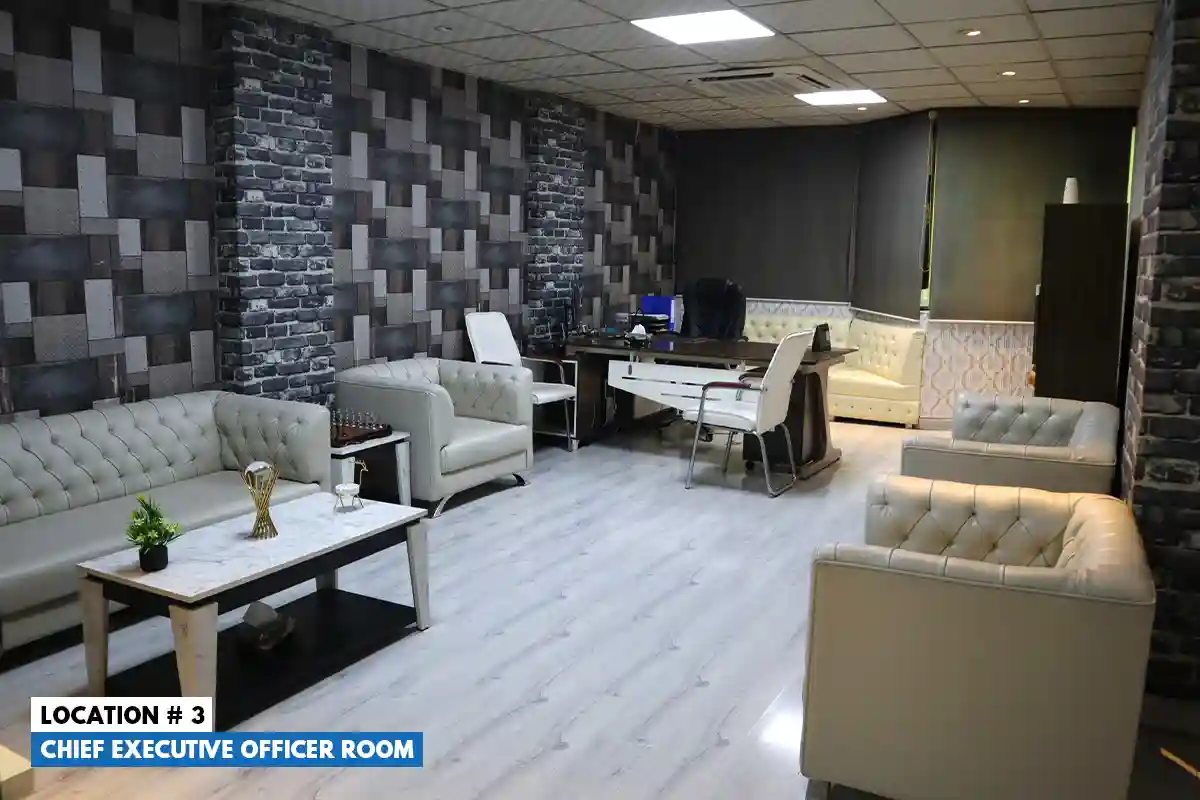
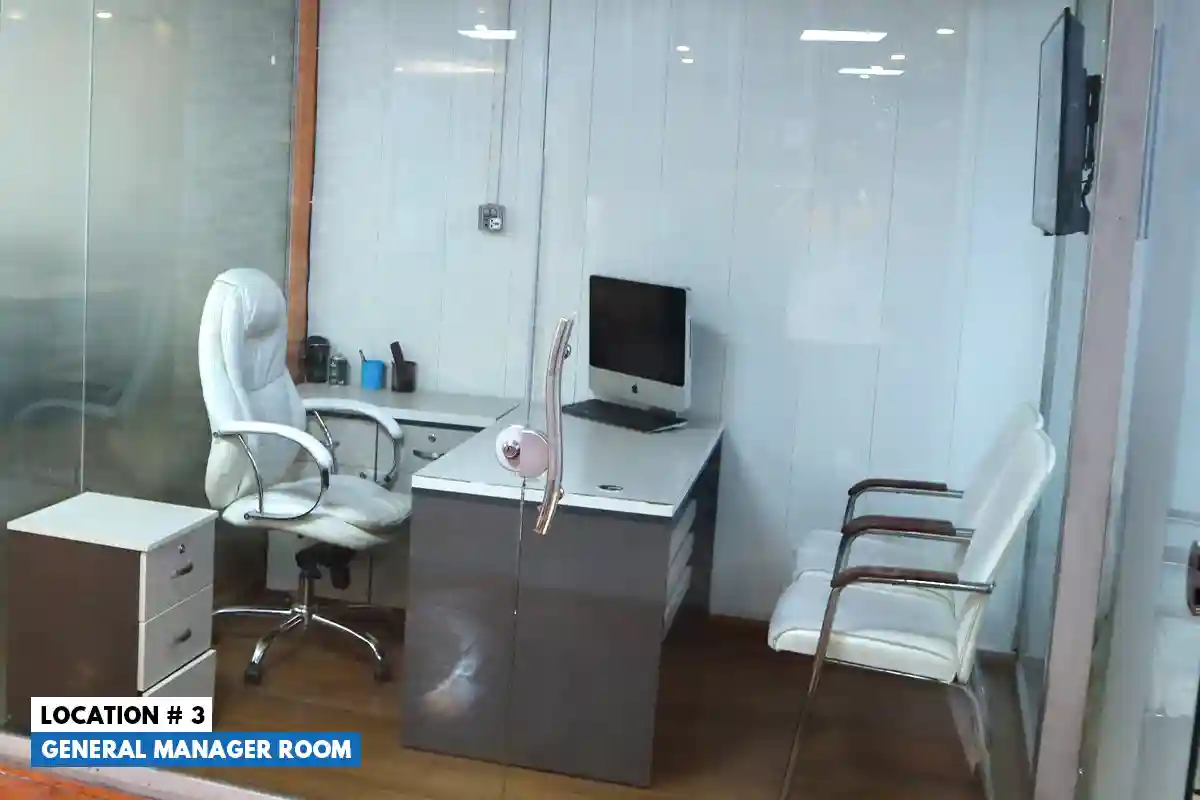
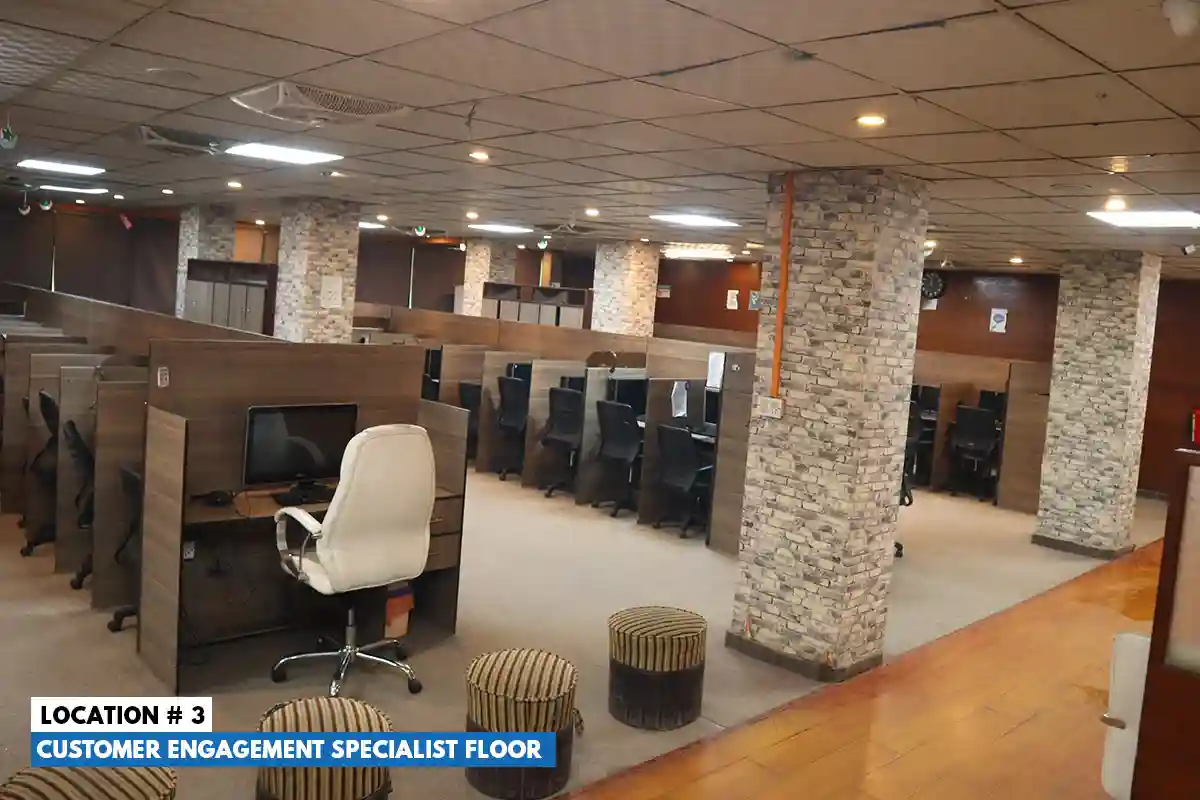
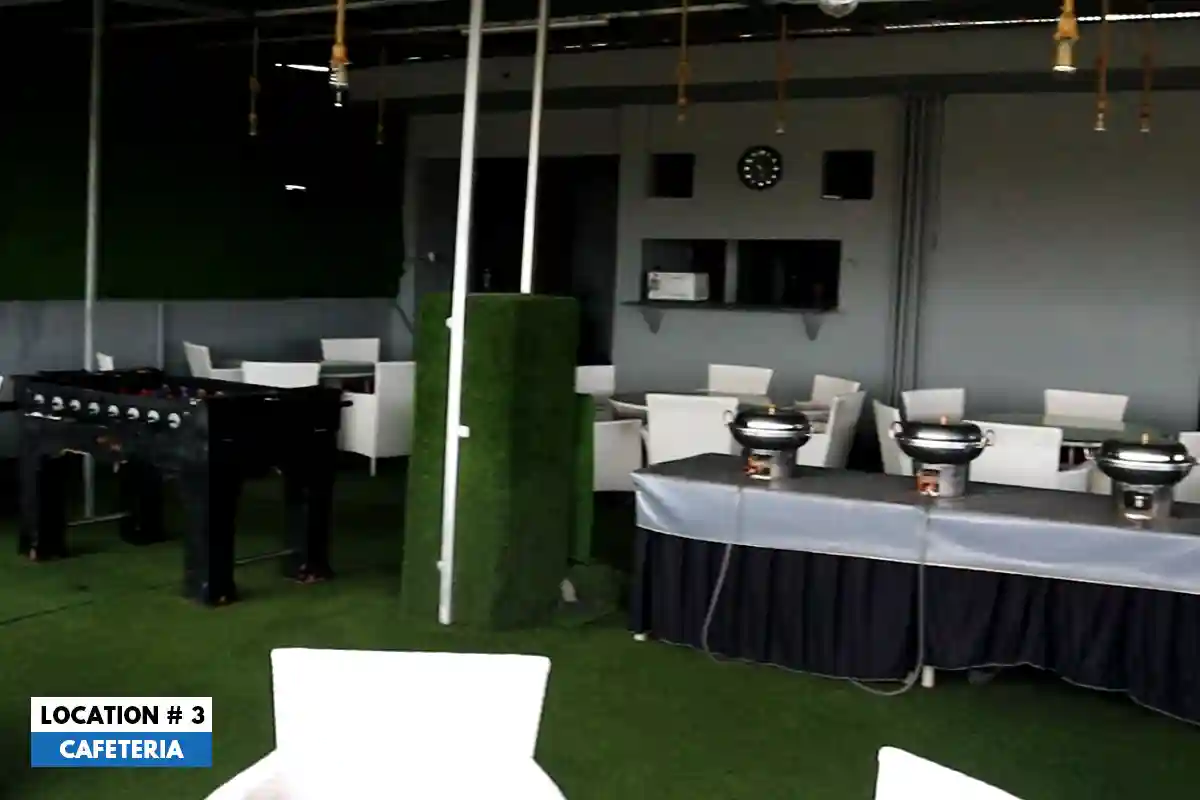
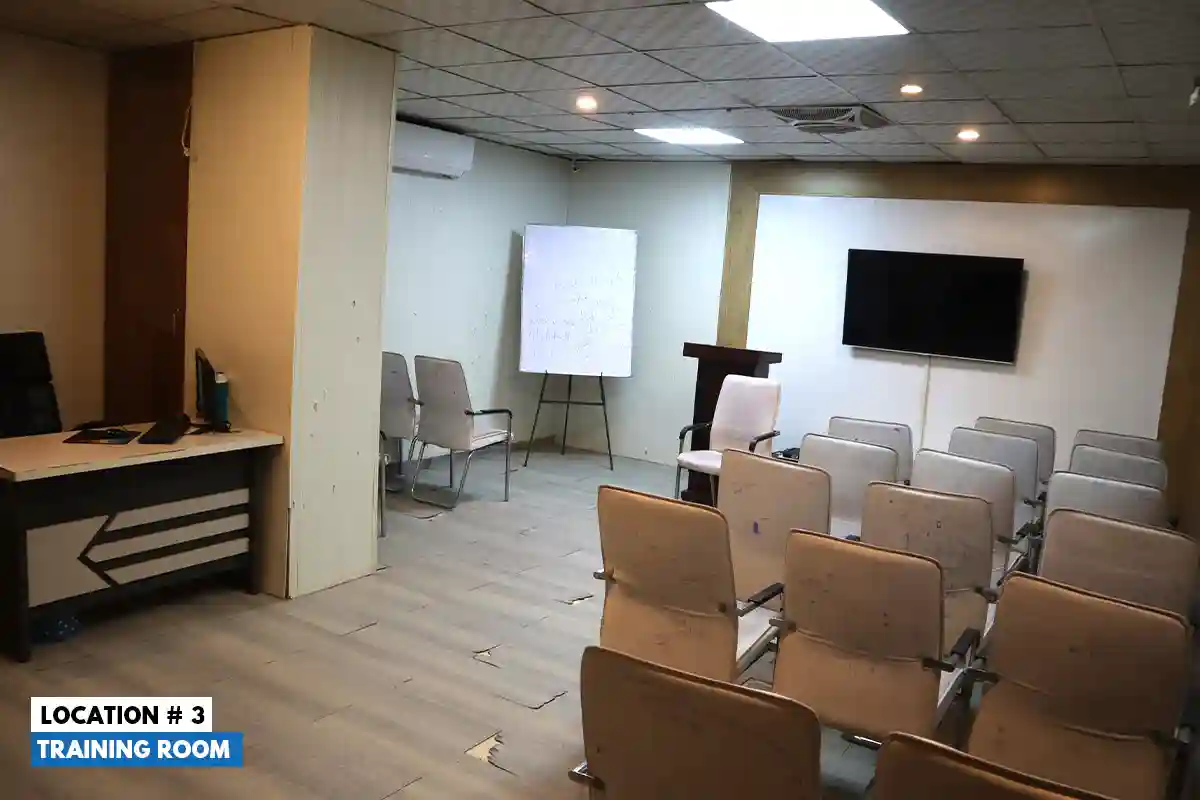
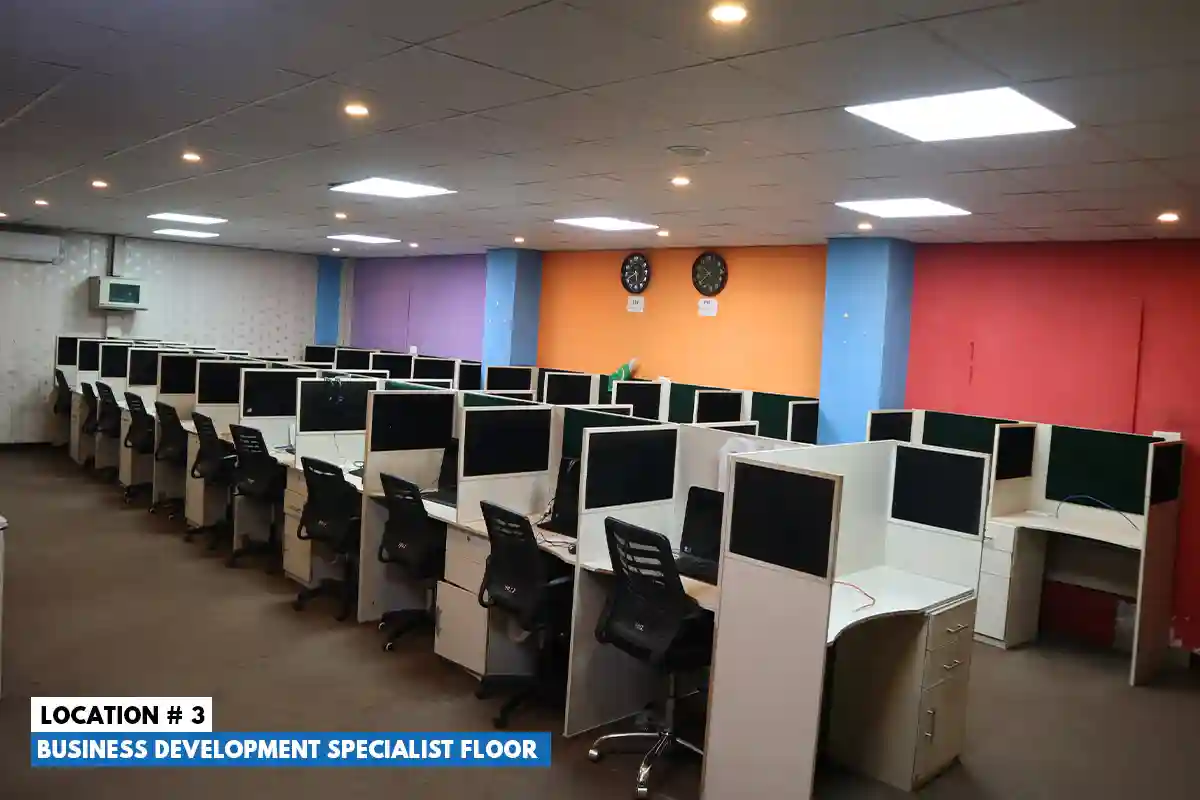
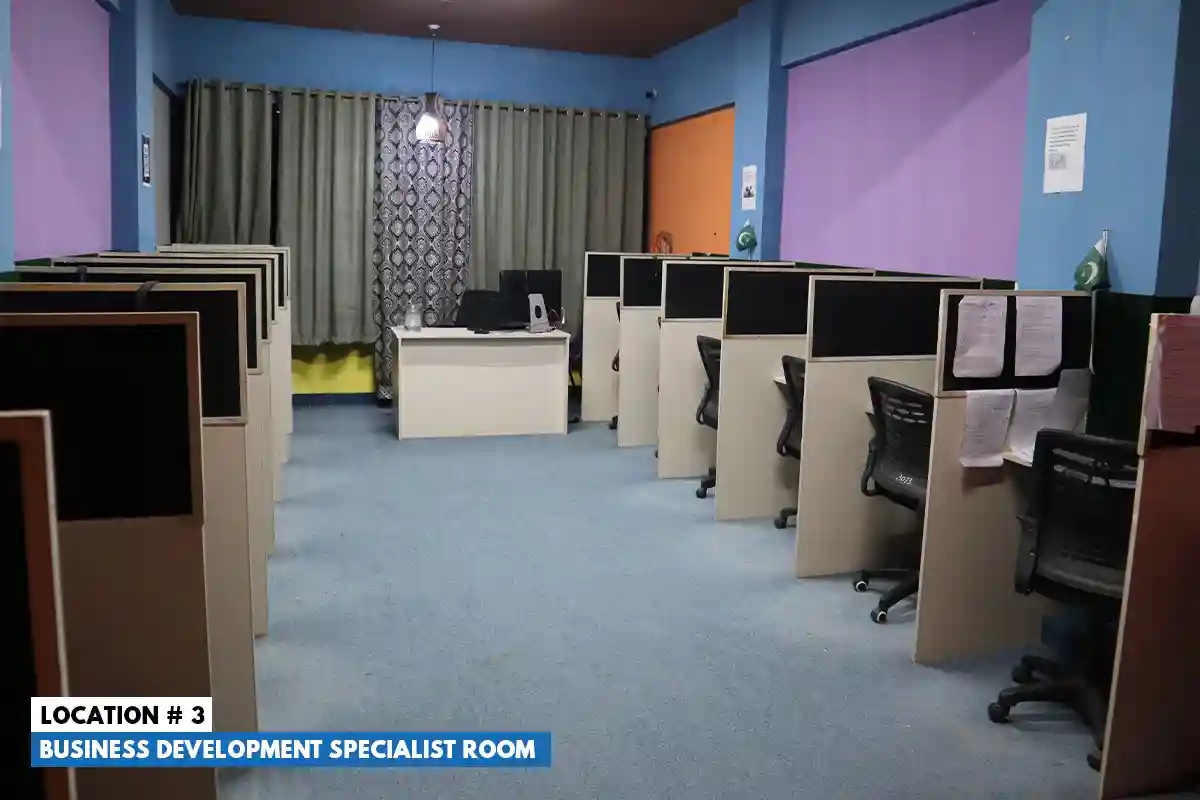
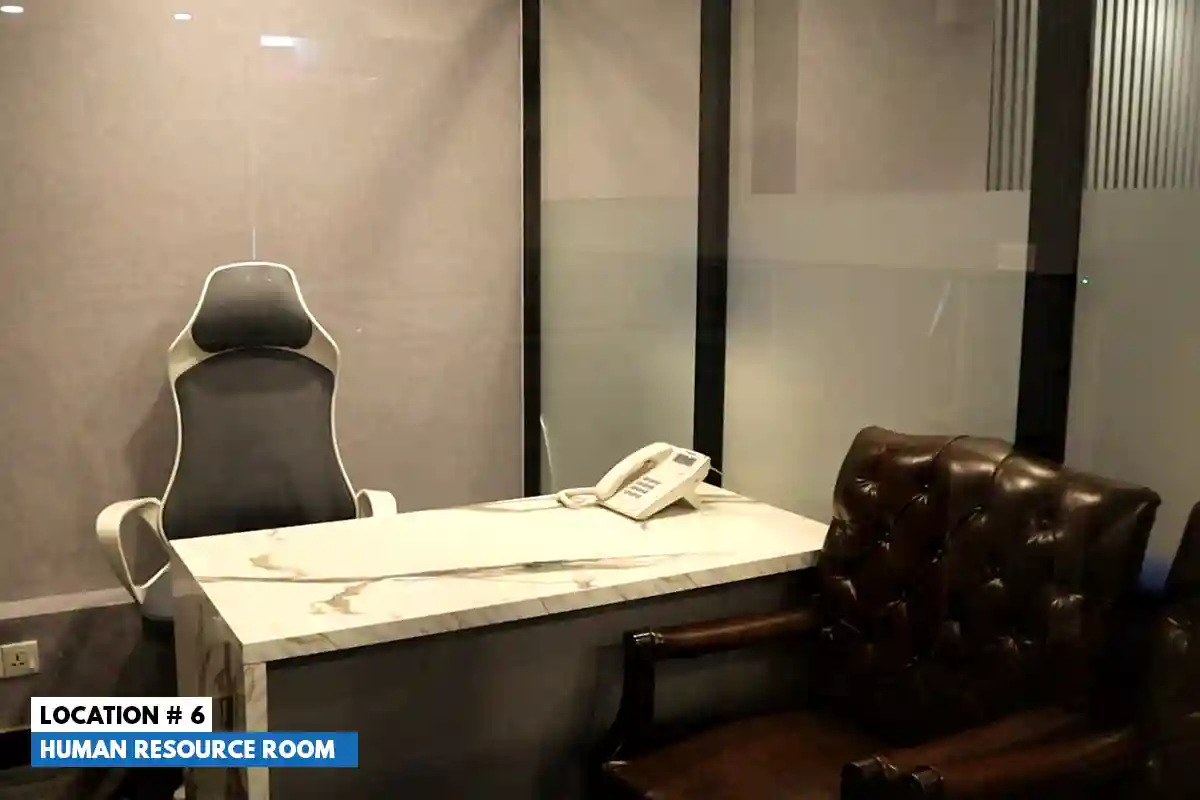
Ready to put these answers to work? Apply for career opportunities at Prime BPO. Prime BPO runs contact center operations from six offices in Rawalpindi, Pakistan, and its site lists ISO 18295-1:2017 certification for inbound and outbound customer contact.
For job seekers:
- Browse current open jobs at Prime BPO, including closer, verifier, sales, and retention roles.
- Learn what each role involves in our BPO jobs guide and call center jobs guide.
For businesses:
- Explore call center services and customer service outsourcing from the Prime BPO customer service team.
Call +92-51-8733177 or contact Prime BPO.
Frequently Asked Questions
What are the 10 most common interview questions and answers in call center?
The 10 most common call center interview questions are: tell me about yourself; why do you want to work in a call center; what is excellent customer service; how do you handle an angry customer; how do you handle stress and repetitive work; what are your strengths and weaknesses; where do you see yourself in 3–5 years; are you comfortable with night shifts and weekends; how do you balance FCR and AHT; and why should we hire you. Sample answers for each are in the top 10 section above.
How do I pass a call center interview?
Research the role, prepare a 60-second introduction, write three STAR stories (difficult customer, problem solved, pressure handled), learn basic metrics like CSAT, FCR, and AHT, confirm your shift availability, and practice speaking clearly by phone. Stay calm and polite throughout, because the interview itself shows how you'd sound to customers.
What are the 7 most common interview questions?
Across most jobs, the 7 most common interview questions are: tell me about yourself; why do you want this job; what are your strengths; what are your weaknesses; tell me about a challenge you overcame; where do you see yourself in five years; and why should we hire you.
How do you introduce yourself in a call center?
Introduce yourself in about 60 seconds: your name and current situation, your most relevant experience or skills (communication, customer handling, computer skills), and why you want this role. For example: "I'm a recent business graduate with retail experience helping customers solve billing issues, I'm comfortable with computers and night shifts, and I want to build a career in customer service."
What questions should I ask at the end of a call center interview?
Ask about training and nesting, how performance is measured, what top agents do differently, growth paths from the role, and the next steps in the hiring process.
Sources and 2026 Verification
All sources were opened and checked on October 28, 2026.
- U.S. Bureau of Labor Statistics: Customer Service Representatives, Occupational Outlook Handbook: important qualities for the role (May 2025 pay data).
- SQM Group: FCR benchmarking results: industry average FCR around 71%; 80%+ considered world-class (vendor-reported benchmark).
- Prime BPO homepage: office locations and ISO 18295-1:2017 certification as stated by the company.
- Prime BPO open jobs: current role types.
Note: Sample answers in this guide are examples to adapt, not scripts to memorize. Interview formats, assessments, and role requirements vary by employer, account, and country. Benchmarks are industry figures and may not match any specific employer's targets.