
























Most contact centers still coach from a handful of calls per agent each month. Meanwhile, the tools available have changed completely: software can now listen to every call, prompt agents while the customer is still on the line, and draft the coaching plan before the supervisor opens a scorecard.
That shift creates a new problem: too many vendors claiming to do all of it. Some are strongest during the live call, others after it, and others in connecting performance data to coaching.
Quick answer: Agent coaching software uses AI to improve agent performance in two ways: real-time agent assist, which guides agents during live calls, and post-call analytics with auto QA, which scores every interaction and recommends coaching. Leading platforms include Cresta, Balto, Level AI, AmplifAI, Observe.AI, and CallMiner. The right choice depends on whether your biggest gap is in-call execution or coaching follow-through.
What Is Agent Coaching Software?
Agent coaching software is contact center technology that uses conversation intelligence, meaning speech and text analytics plus AI, to help agents perform better, either during live interactions or through coaching afterward. It replaces small manual call samples with analysis of every interaction, and it ties coaching to the metrics that matter: QA scores, first contact resolution (FCR), customer satisfaction (CSAT), and agent retention.
The shift: from spreadsheets to real-time and 100% coverage
|
Old model |
New model |
|
Supervisors listen to a few calls per agent each month |
Software analyzes every call, chat, and email |
|
Scores tracked in spreadsheets |
Scores calculated automatically against your scorecard |
|
Feedback days or weeks later |
Prompts during the call; coaching tasks the same day |
|
Coaching based on one bad call |
Coaching based on patterns across hundreds of calls |
The old model's coverage was thin. In a Call Centre Helper poll of 115 contact centers (2013), 67% monitored six or fewer calls per agent per month. Today, vendors including Balto, Level AI, AmplifAI, and Observe.AI all say their platforms can evaluate 100% of interactions.

What are the best tools for call center agents in 2026?
The best tools for call center agents usually include:
- A CCaaS platform for routing, IVR, and call handling.
- A CRM with the customer's history.
- A knowledge base that agents can search quickly.
- Real-time agent assist that surfaces answers and next steps during calls.
- Conversation intelligence and auto QA that score every interaction.
- Coaching and performance management that turn scores into action.
- Workforce management (WFM) for forecasting and scheduling.
Agent coaching software covers items 4 to 6. For the basics of how coaching itself works, see our guide to call center quality assurance best practices.
Real-Time Agent Assist vs. Post-Call Auto QA
Agent coaching software has two core architectures. Real-time agent assist listens to the live conversation and pushes guidance to the agent while the customer is still on the line. Post-call analytics and auto QA analyze recorded interactions afterward, score them, find patterns, and recommend coaching. Many platforms now offer both, but each tends to lead with one.
Real-time agent coaching software features
Real-time agent coaching software processes the live audio or text stream, transcribes it with speech recognition, and uses natural language processing (NLP) to detect what's happening. Common features:
- Live transcription of the call.
- Contextual prompt cards that surface answers from the knowledge base when a topic comes up. Balto, for example, says its Agent Assist "equips agents with answers to customers' questions in real-time," drawn from the customer's own knowledge base.
- Objection-handling cards for sales calls (sometimes called battle cards).
- Compliance guardrails that remind agents to read required disclosures or flag missed steps.
- Sentiment tracking that alerts the agent or supervisor when a customer becomes frustrated.
- Next-best-action and automation, such as filling in forms or summarizing the call.
- Supervisor alerts so a team leader can join or whisper to the agent on a struggling call.
Post-call AI agent coaching analytics software
Post-call software analyzes recorded interactions after they end. Common features:
- Automated scoring of 100% of interactions against your QA scorecard.
- Root-cause analytics that group calls by topic, outcome, and issue.
- Trend reporting by agent, team, queue, and time period.
- Coaching recommendations and task workflows tied to specific calls.
- Calibration tools that compare AI scores with human evaluators.
- Large language model (LLM)-based evaluation of open-ended behaviors such as empathy or ownership, alongside rule-based checks.

Real-time in-call guidance vs. post-call auto QA coaching
|
Dimension |
Real-time in-call guidance |
Post-call auto QA coaching |
|
Technical mechanism |
Streaming speech-to-text + NLP on the live call |
Batch analysis of recordings and transcripts, often with LLMs |
|
Primary goal |
Help the agent get this call right |
Improve every future call through coaching |
|
Best for |
New hires, complex products, compliance-heavy calls, sales |
QA teams, supervisors, root-cause analysis |
|
Impact on AHT and CSAT |
Can shorten searches and prevent escalations during the call |
Improves behaviors over weeks through targeted coaching |
|
Latency requirement |
Must respond in seconds |
Minutes to hours is fine |
|
Deployment complexity |
Higher: needs live audio access, agent desktop integration, and fast response |
Lower: works from recordings and CRM data |
|
Risk if it's wrong |
Distracts or misleads the agent mid-call |
A wrong score that a calibration process can catch |
Note: Real-time and post-call tools work best together. Post-call analytics shows what agents struggle with; real-time assist helps them in the moment; coaching closes the gap over time.
Get Free Quotes
Customized Options Await
Top Agent Coaching Software Solutions and Toolstack Evaluation
The leading agent coaching platforms fall into three groups: real-time assist specialists (Cresta and Balto), unified performance and coaching platforms (AmplifAI and Level AI), and conversation intelligence suites built around post-call analysis (Observe.AI and CallMiner). The categories overlap more each year, so compare them on your specific use case, not on category labels.
Comparing leading AI contact center coaching software
Cresta. Cresta offers an AI Agent for customer-facing automation, "Agentic Assist" for real-time guidance and automation during conversations, and conversation intelligence that analyzes every interaction, plus quality management. Its site cites customer outcomes such as a 20% revenue increase at Cox and a 30-point NPS increase at Brinks Home (vendor-reported).
Balto. Balto focuses on real-time guidance: its Agent Assist gives agents answers during calls from the customer's own knowledge base. It also offers automated QA to "evaluate 100% of interactions with AI" and AI coaching recommendations tailored to each agent. Customer results on its site include onboarding cut from four days to two at one healthcare company, and fewer supervisor escalations at EverBank (vendor-reported).
Level AI. Level AI promotes quality management with "100% of conversations scored," real-time agent assist, and customer and team analytics. It says its task-specific AI models are more cost-efficient than general approaches, and cites a 25% CSAT improvement (vendor-reported).
AmplifAI. AmplifAI describes itself as an "AI-native performance and CX management platform." It combines performance data, auto QA on 100% of interactions, programmatic coaching measured by a "Coaching Effectiveness Index," and AI role-play for onboarding. It cites a 12% improvement in agent retention and an 80% reduction in supervisor workload (vendor-reported).
Observe.AI. Observe.AI offers customer-facing AI agents, a real-time "Companion Agent" that provides context and next-best actions during interactions, interaction intelligence that analyzes every interaction, and a performance agent with coaching programs. Its FAQ says most teams go from setup to production "in a month or two."
CallMiner. CallMiner positions itself as a leader in "AI-powered conversation intelligence." Its products include analysis of recorded interactions, quality management, and a RealTime product for in-call assistance and coaching.
2026 call center agent coaching software comparison
|
Platform |
Primary software type |
Key specialty |
Best fit environment |
Integration depth to verify |
|
Cresta |
Real-time assist + AI agents |
In-call guidance and automation |
Large sales and service centers |
CCaaS, CRM, and knowledge base connectors |
|
Balto |
Real-time assist + auto QA |
Live answers and checklists |
Sales, insurance, healthcare, collections |
Telephony and CRM integrations |
|
Level AI |
Auto QA + analytics + assist |
100% QA scoring and analytics |
Service centers focused on quality |
CCaaS and ticketing integrations |
|
AmplifAI |
Performance management + coaching |
Connecting KPIs to coaching actions |
BPOs and multi-site operations |
Data from QA, WFM, CRM, and HR systems |
|
Observe.AI |
Conversation intelligence + AI agents + assist |
Post-call analytics and evaluation |
Enterprise service centers |
CCaaS and recording integrations |
|
CallMiner |
Conversation intelligence suite |
Deep analytics and compliance |
Regulated, high-volume centers |
Recording, CCaaS, and BI tools |
Note: All performance figures above are vendor-reported marketing claims. Ask each vendor for references in your industry and channel mix, and run a pilot with your own baseline before signing a multi-year contract.
Essential features to look for
If you're looking for call center software with real-time agent coaching features, require these:
|
Requirement |
Why it matters |
Question to ask the vendor |
|
Telephony and SIP compatibility |
Real-time tools need live audio access |
How do you capture audio from our phone system or SIP trunks? |
|
CCaaS integrations |
Most centers run on Genesys, Five9, Amazon Connect, NICE, or similar |
Do you have a native integration with our platform? |
|
Transcription and LLM accuracy |
Bad transcripts mean bad prompts and wrong scores |
What is your accuracy on our accents, languages, and audio quality? |
|
Low latency |
In-call prompts must arrive in seconds |
What is your typical prompt latency on live calls? |
|
PII and PCI redaction |
Recordings contain card numbers and personal data |
How do you redact sensitive data in audio and transcripts? |
|
Configurable scorecards |
Your QA form, not a generic one |
Can we import and change our scorecard ourselves? |
|
Calibration and audit trail |
Proves the AI scores fairly |
Can supervisors override scores, and is every change logged? |
|
Coaching workflow |
Turns insights into action |
Can QA flags automatically create coaching tasks? |
|
Security and compliance |
Required for regulated industries |
Which certifications and data residency options do you offer? |
What software is used in BPO?
A BPO contact center usually runs a layered stack:
Customer
|
Telephony / SIP trunks -> CCaaS (routing, IVR, recording)
|
Agent desktop: CRM + knowledge base + real-time agent assist
|
Recordings and transcripts -> Speech analytics / conversation intelligence
|
Auto QA scoring -> Coaching and performance management
|
WFM (forecasting, scheduling, adherence) + BI dashboards for the client
|
Layer |
Purpose |
|
CCaaS / contact center platform |
Routing, IVR, queues, recording |
|
CRM or ticketing |
Customer records and case history |
|
Knowledge base |
Answers and procedures |
|
Agent assist |
Real-time guidance |
|
Speech analytics and auto QA |
Scoring and insights |
|
Coaching and performance management |
Turning insights into improvement |
|
Workforce management |
Staffing to demand |
|
Reporting and BI |
Client and internal dashboards |
See our guides to workforce management, call center analytics software, and call center quality assurance software.
Can ChatGPT be used as a life coach or contact center coach?
A general-purpose AI chatbot like ChatGPT can help people reflect, set goals, and practice conversations, but it isn't a licensed coach or therapist, and it doesn't know your history the way a trained professional would. For contact centers specifically, general chatbots differ from enterprise agent coaching software in important ways:
|
|
General AI chatbot |
Enterprise agent coaching software |
|
Data |
Whatever you type in |
Your calls, CRM, knowledge base, and scorecards |
|
Real-time call access |
No |
Yes, through telephony integrations |
|
Compliance controls |
Limited for contact center use |
PII redaction, audit trails, access controls |
|
Grounding |
General knowledge |
Answers drawn from your approved content |
|
Workflow |
A chat window |
Scorecards, coaching tasks, and dashboards |
Note: Don't paste customer recordings or personal data into a consumer chatbot. Use tools covered by your company's security and privacy agreements.
Get Free Quotes
Customized Options Await
Quantifying the ROI: Metrics and Operational Benefits
Agent coaching software pays off when it changes measurable outcomes: faster ramp for new hires, higher first contact resolution and CSAT, lower handle time without rushed calls, and lower agent turnover. Vendor case studies report gains across all of these, but results vary widely, so set your own baseline and measure before and after.
Accelerating onboarding
Real-time prompts give new agents answers they haven't memorized yet, so they can take live calls sooner with less risk. Vendor examples include:
- Balto: one healthcare customer reports onboarding cut "from 4 days to 2."
- Cresta: a Cox executive says it helped "decrease the training time for our team."
- AmplifAI: promotes AI role-play and practice simulations for onboarding.
We couldn't find independent research supporting a specific ramp-time reduction across the industry, so treat percentage claims as vendor-reported and measure your own time to proficiency.
Elevating FCR, CSAT, and NPS
The link between resolution and satisfaction is well documented. SQM Group's research finds that every 1% improvement in first contact resolution comes with a 1% improvement in customer satisfaction. Coaching software can raise FCR by helping agents find the right answer during the call and by showing supervisors which issues cause repeat calls.
Vendor-reported examples:
- Level AI: "+25% CSAT."
- AmplifAI: an 11% CSAT improvement at a telecom customer.
- Cresta: a 30-point NPS increase at Brinks Home.

Reducing agent burnout and turnover
Agents struggle most on calls where they don't know the answer or the customer is upset. Real-time help and fairer, more frequent coaching can reduce that stress. AmplifAI reports a 12% improvement in agent retention (vendor-reported). Track your own attrition rate before and after rollout.
Performance metric benchmarks: before and after
|
Operational metric |
Typical baseline without AI |
What to measure after deployment |
Direct business value |
|
QA coverage |
A few calls per agent per month (67% of centers monitored 6 or fewer in a 2013 Call Centre Helper poll) |
% of interactions scored (vendors claim up to 100%) |
Coaching based on patterns, not outliers |
|
Time to proficiency |
Your current new-hire ramp |
Days until new hires meet QA and AHT targets |
Lower training cost, faster staffing |
|
First contact resolution |
SQM Group's 2026 average: 71% |
FCR by queue and agent |
1% FCR ≈ 1% CSAT (SQM) |
|
Average handle time |
Your current AHT by call type |
AHT alongside FCR |
Lower cost per contact without repeat calls |
|
CSAT / NPS |
Your current scores |
Same surveys, same method |
Retention and revenue |
|
Supervisor time |
Hours spent on manual QA |
Hours redirected to coaching |
More coaching per agent |
|
Agent attrition |
Your current annual rate |
Attrition 6–12 months after rollout |
Lower hiring and training cost |
Note: Don't judge AHT alone. A tool that shortens calls but lowers FCR shifts cost into repeat contacts. See our guides to average handle time and how to improve call center agent performance.
Get Free Quotes
Customized Options Await
Step-by-Step Blueprint for Implementing Agent Coaching Software
Successful implementations start with clean data and clear scorecards, pilot on one team, and invest as much in supervisor training as in the software itself. Observe.AI says most of its teams go from setup to production in a month or two; plan your own timeline around integrations, scorecard design, and calibration.
Step 1: Conduct a data and integration readiness audit
- Audio quality: stereo (dual-channel) recordings separate agent and customer speech, which improves transcription.
- Phone system and CCaaS: confirm how the vendor will access live and recorded audio.
- CRM and knowledge base: real-time prompts are only as good as the content behind them; clean up outdated articles first.
- Security review: PII and PCI redaction, data retention, access controls, and where data is stored.
- Baseline metrics: record current QA scores, FCR, AHT, CSAT, ramp time, and attrition.
Step 2: Define behavioral scorecards and compliance rules
- Convert your QA form into specific, observable behaviors the AI can detect, such as "confirmed the account holder's identity before discussing the balance."
- Separate compliance items (pass/fail) from quality behaviors (scored).
- Define real-time triggers: which phrases, topics, or sentiment changes should prompt the agent or alert a supervisor.
- Calibrate: have human evaluators score the same calls as the AI, and adjust until they agree.
Step 3: Train supervisors on closed-loop coaching
Software finds the gaps; supervisors close them. Train team leaders to:
- Review AI-flagged patterns weekly, not just low scores.
- Pick one behavior per agent to coach.
- Use the flagged calls in a short coaching session.
- Check the same behavior on the next 1–2 weeks of calls.
- Recognize improvement, not just failures.
Auto QA scores every call
|
Patterns flagged by agent and topic
|
Supervisor picks one behavior to coach
|
Coaching session with real call examples
|
Real-time prompts reinforce the behavior on live calls
|
Auto QA confirms improvement (or flags it again)
For coaching methods to pair with the software, see our guide to call center training programs.
Step 4: Scale frontline operations with a BPO partner
Once the pilot proves results, scale to more teams and channels. If you outsource, choose a partner with the QA staff and supervisory structure to use the insights every day. Software without consistent coaching is unlikely to change performance on its own.

Conclusion
Agent coaching software has moved contact centers from coaching on a few sampled calls to coaching on every interaction, with real-time help during the call itself. Choose based on your biggest gap: in-call execution, QA coverage, or coaching follow-through. Then measure results against your own baseline, because vendor figures are only a starting point.
|
If your biggest problem is… |
Look first at… |
|
New hires struggling on live calls |
Real-time agent assist (e.g., Cresta, Balto) |
|
QA covering only a few calls |
Auto QA with 100% scoring (e.g., Level AI, Observe.AI) |
|
Insights that never turn into coaching |
Performance and coaching platforms (e.g., AmplifAI) |
|
Compliance risk in regulated calls |
Real-time compliance guardrails plus post-call analytics (e.g., CallMiner) |
|
Rising AHT and repeat calls |
Knowledge-based in-call prompts and FCR tracking |
|
Too few supervisors |
Automated scoring and coaching workflows |
|
No in-house team to run it |
A BPO partner with QA and coaching built in |
Scale Frontline Excellence with Prime BPO
Coaching software is only as good as the team that acts on it. Prime BPO runs inbound, outbound, and customer support operations for clients in the USA and Pakistan, with quality monitoring and team-leader coaching built into daily operations. Our contact center operations are certified to ISO 18295-1:2017, the international standard for customer contact centers.
We can help you:
- Audit your QA and coaching workflow, from scorecards to how findings reach agents.
- Staff and manage agent teams that use coaching insights every day.
- Improve FCR, CSAT, and AHT with consistent quality monitoring.
Explore our call quality assurance services and call center services, or schedule a tech stack audit at Prime BPO. You can also call +92-51-8733177.
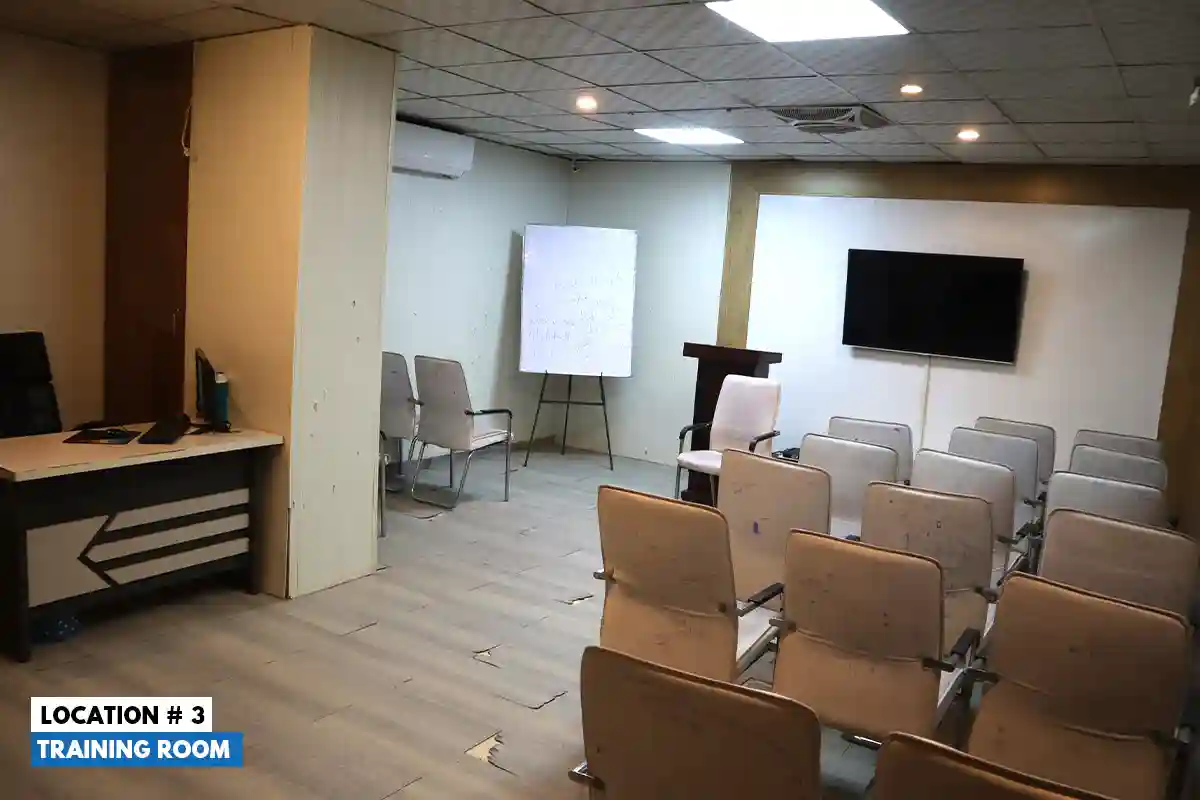
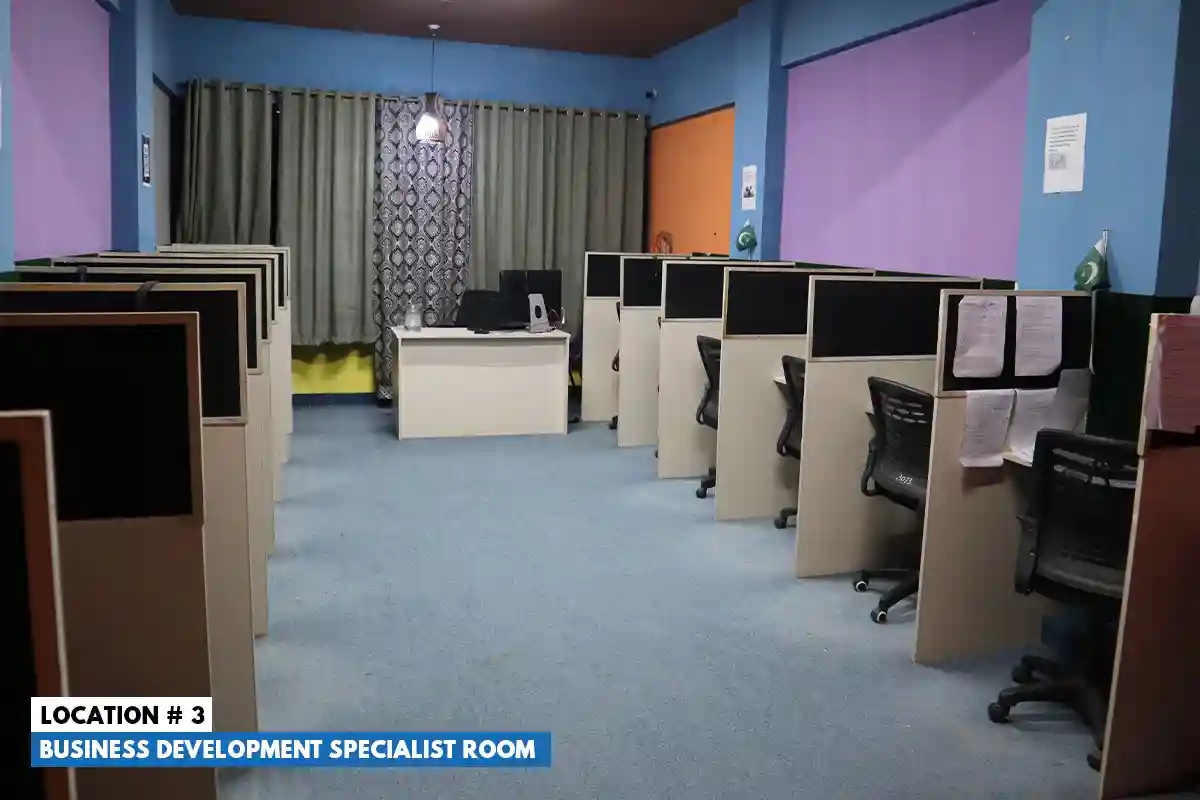
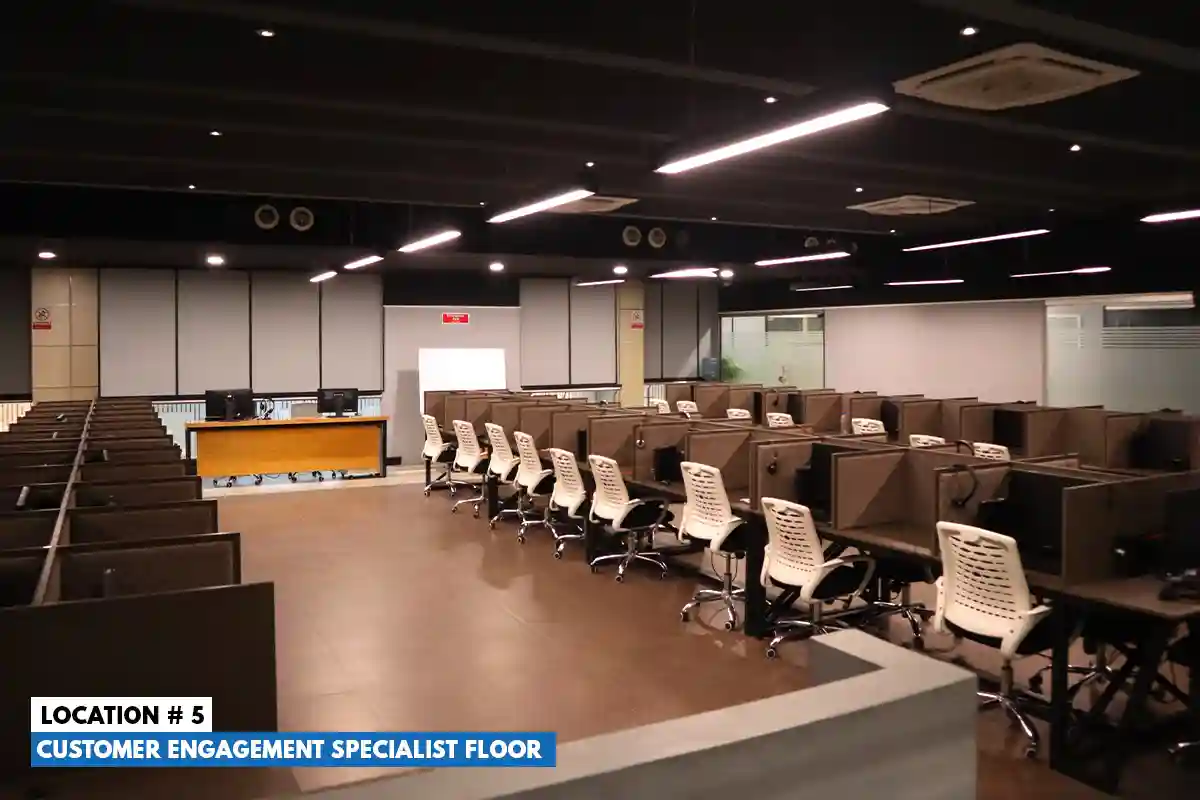
Prime BPO contact center solutions help turn coaching data into better customer conversations.
Frequently Asked Questions
Which software is used in BPO?
BPO contact centers typically use a contact center platform (CCaaS) for routing, IVR, and recording; a CRM or ticketing system; a knowledge base; workforce management software for scheduling; and increasingly, real-time agent assist, speech analytics, auto QA, and coaching platforms. Reporting and BI tools give clients visibility into performance.
Can ChatGPT be used as a life coach?
A general AI chatbot can help with reflection, goal-setting, and practicing conversations, but it isn't a licensed coach or therapist. For contact center coaching, enterprise agent coaching software is a better fit: it connects to live calls and your knowledge base, scores interactions against your scorecard, and includes compliance controls like PII redaction. Don't share customer data with consumer chatbots.
What are the best tools for call center agents?
The best tools for call center agents include a reliable contact center platform, a CRM with full customer history, a searchable knowledge base, real-time agent assist for in-call guidance, conversation intelligence with auto QA, and coaching software that turns insights into action. Workforce management keeps the right number of agents on the phones.
What is the best coaching software?
The best agent coaching software depends on your gap. Cresta and Balto are known for real-time agent assist; Level AI and Observe.AI for automated QA and conversation analytics; AmplifAI for connecting performance data to coaching; and CallMiner for deep conversation analytics. Pilot two or three against your own baseline before choosing.
What is real-time agent coaching software?
Real-time agent coaching software listens to live calls or chats, transcribes them, and uses AI to show agents prompts, answers, compliance reminders, and next steps while the conversation is happening. It can also alert supervisors when a call needs help.
How is auto QA different from agent assist?
Auto QA scores interactions after they end, usually all of them, and feeds coaching. Agent assist guides the agent during the interaction. Many platforms now offer both.
Sources And 2026 Verification
All sources were opened on October 23–27, 2026.
Note: Vendor descriptions and results come from each company's website and are vendor-reported; we haven't independently verified them. Features and pricing change often, so confirm details directly with each vendor.
Sources
- Cresta: product descriptions and customer results (vendor-reported).
- Balto: Agent Assist, automated QA, coaching, and customer results (vendor-reported).
- Level AI: quality management, agent assist, and results (vendor-reported).
- AmplifAI: performance management, coaching, QA, and results (vendor-reported).
- Observe.AI: AI agents, Companion Agent, interaction intelligence, and implementation timeline.
- CallMiner: conversation intelligence, quality management, and RealTime.
- Call Centre Helper: Calls monitored per agent poll: 2013 poll of 115 centers.
- SQM Group: FCR improvement plan: 71% average FCR; 1% FCR to 1% CSAT.