































You are about to hire another in house sales rep or customer support agent. You have budgeted the salary, the benefits, the training time.
What you probably have not budgeted for? The 3 to 6 months before that person is fully productive, and the $92,180 per year in overhead you could eliminate by outsourcing that role instead.
That's not a rough estimate. According to Martial Group's 2026 BPO outsourcing analysis, companies save an average of $92,180 annually by outsourcing sales rather than building an in-house team. And outsourced SDRs ramp up 3x faster than new hires.
The advantages of BPO aren't just about cost. They are all about the survival in a market where your competitors are moving very fast, serving customers around the clock, and doing it all without the overhead you're still carrying.
Here's what you need to know before you hire one more person.
What Are the Core Advantages of BPO Services?
The main advantages of BPO services come down to five things, and these are dramatic cost reduction, faster scalability, access to specialized talent, round the clock operations, and the ability to focus your internal team on revenue-generating work.
That last point is the one most business owners miss. They think about outsourcing as a way to dump admin tasks. The smarter move is to outsource the functions that are costing you the most, including the sales outreach, customer support, and back office operations, so that your core team is only doing work that directly grows the business.
Here's what the data shows for 2026
|
Advantage |
Measured Impact |
|
Labor cost savings |
20–70% depending on function and region Statista/Deloitte |
|
Sales team ramp time |
3x faster than in-house hires |
|
Customer support cost (Philippines vs. US) |
$924–$1,764/mo vs. $4,000–$5,000/mo |
|
Process efficiency improvement |
Up to 25% through automation (PwC) |
|
Average annual savings from outsourced sales |
$92,180 per company |
The global BPO market is on track to hit $695.77 billion by 2033, growing at a 9.9% CAGR according to Grand View Research via Digital Minds BPO. That's not hype. That's hundreds of thousands of companies voting with their budgets.

How BPO Cuts Your Costs Without Cutting Corners
The most immediate and visible advantage of BPO is cost reduction, but not in the way most people think.
It's not just about paying lower wages. It's about eliminating the total cost of employment that most businesses dramatically underestimate.
When you hire in-house, you're paying
- Base salary
- Benefits and health insurance that is generally 25–35% on top of salary
- Payroll taxes
- Office space and equipment
- HR and recruiting costs
- Training time that is often 3–6 months before full productivity
- Management overhead
Most companies underestimate their fully-loaded employee costs by 30 to 40%, according to MM Solutions' 2026 BPO pricing analysis.
A US-based in-house customer service rep costs roughly $45,000–$55,000 in salary alone, plus another $15,000 to $20,000 in benefits and overhead. An equivalent outsourced agent in the Philippines costs $924 to $1,764 per month, that is total while delivering the same service, often with 24/7 coverage.
That's the same person, doing the same job, for a fraction of the cost.
For companies with customer support teams of 10 or more, that math adds up quickly. We're talking about $400,000 to $600,000 per year in savings for a mid-sized support operation.

Get Free Quotes
Customized Options Await
BPO's Impact on Sales Operations: The Part Nobody Talks About
Most articles about the advantages of the BPO industry focus only on the back office tasks. They ignore the area where outsourcing delivers some of its biggest returns: sales.
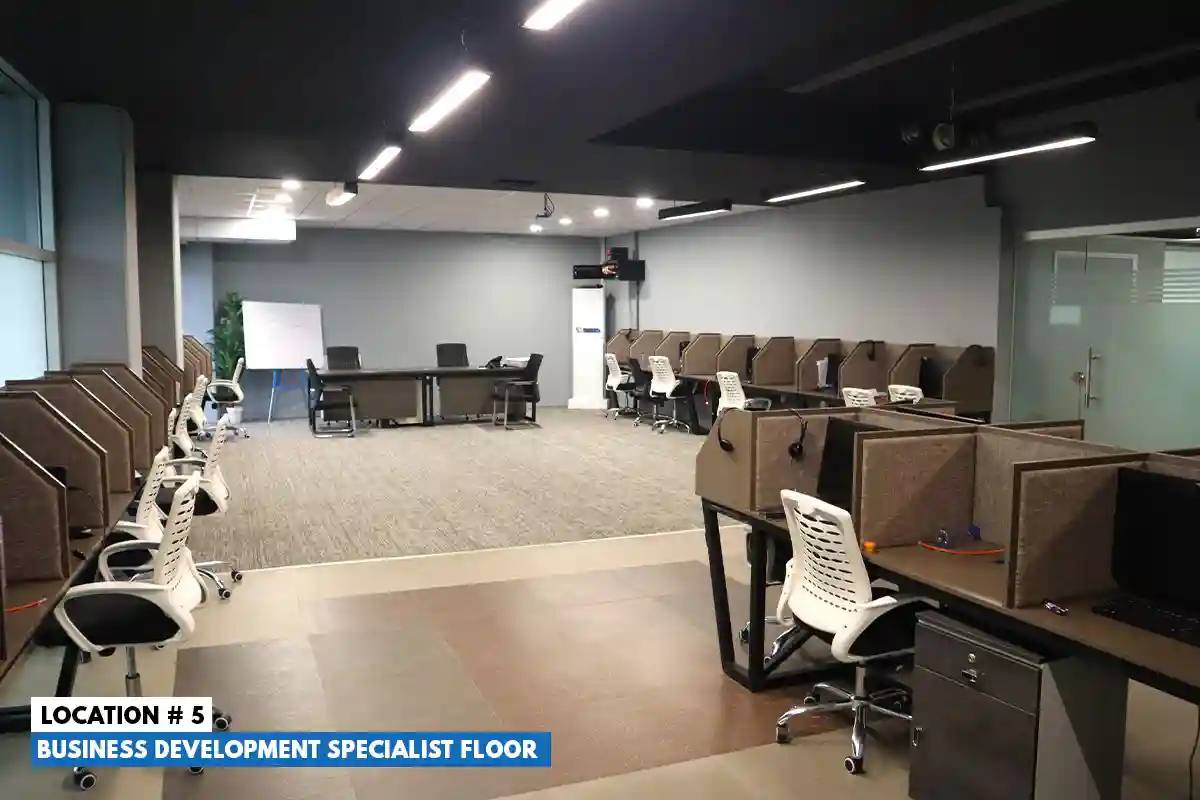
Outsourced sales development SDRs, outbound prospecting, lead qualification gives you a fully operational sales team without the cost, any risk, or ramp time of building one internally.
This is why 60% of mid to large U.S. companies now outsource customer support operations, and a growing number are applying the same model to their sales functions. According to Virtual Latinos' 2026 outsourcing statistics, 57% of companies cite cost reduction as their primary outsourcing objective, but access to specialized expertise is climbing fast as a second driver.

The Scalability Advantage: Grow or Contract Without the Headache
One of the most underrated advantages of BPO is the ability to scale up or down without the legal, financial, and operational complications of hiring and firing.
Think about what scaling normally requires:
- Weeks or months of recruiting
- Onboarding and training investment
- Fixed salary commitments
- Office space and equipment purchases
- Potential severance when demand drops
With a BPO partner, you can add 10 agents in a week during a product launch, and pull back to baseline when the campaign ends. No severance. No stranded office space. No HR headaches.
Access to Expertise You Can't Build Internally
Here's a question worth sitting with, like how long would it take you to build a team of 20 trained, experienced customer support agents who understand your product, your CRM, and your customers?
Six months? A year? And what does that cost while you're building it?
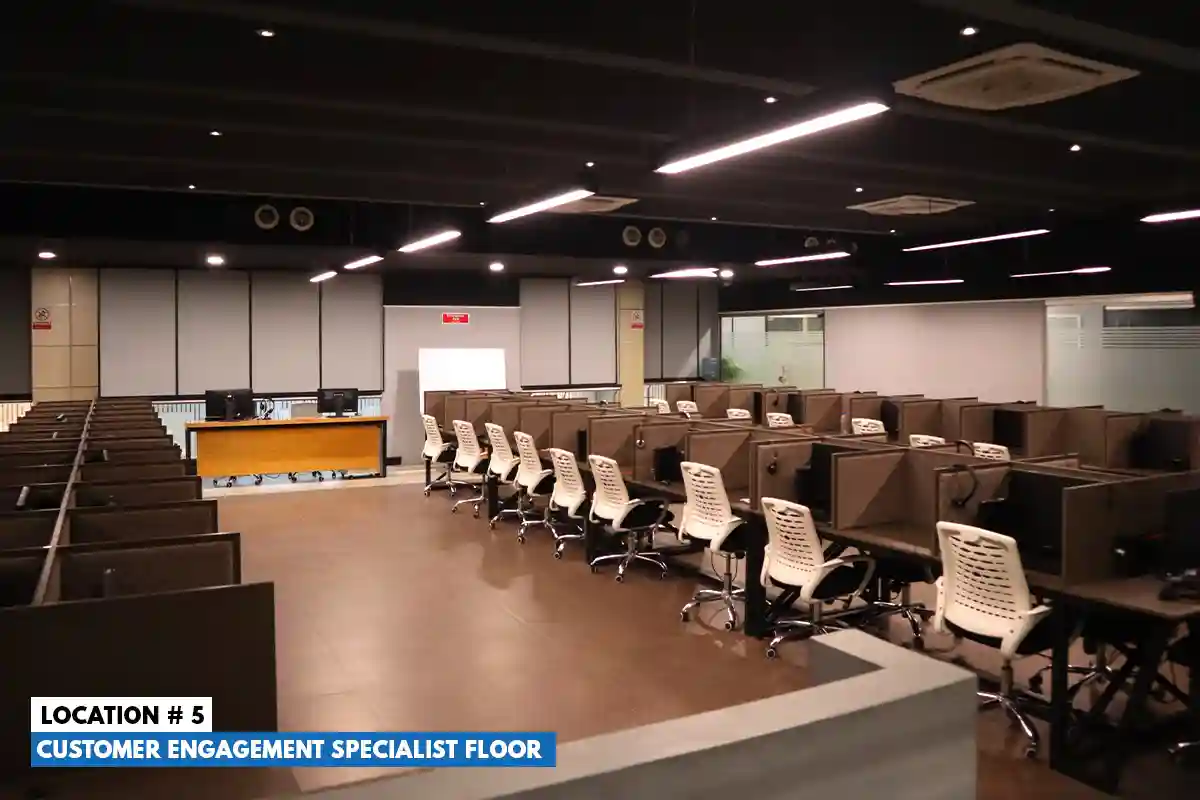
A good BPO partner brings existing infrastructure, trained personnel, quality assurance systems, and technology like things that would take years and significant capital to build from scratch.
According to Greenfeather's 2026 BPO industry trends report, the motivations for outsourcing have fundamentally shifted from cost cutting to competitive advantage. Companies today outsource to access capabilities they couldn't build internally at any reasonable cost or timeframe.
That includes
- AI-powered CRM and support platforms
- Multilingual customer service teams
- Specialized sales methodologies and outreach tools
- Compliance expertise in regulated industries
- Data analytics and performance reporting
A PwC study shows companies outsourcing IT and finance functions report an average 32% reduction in labor costs and up to 25% improvement in process efficiency, that is driven not just by cheaper labor, but by the specialization and automation these partners bring.
24/7 Customer Support Without 24/7 Staffing Costs
Your customers don't stop needing help at 5 PM. But building a true round-the-clock support operation in-house means three shifts, three sets of salaries, and a management layer that never sleeps.
BPO eliminates that problem by leveraging time zone differences across global teams.
When your US office closes, your BPO partner's team in the Philippines or Eastern Europe picks up. When they sleep, another team handles it. The customer sees seamless, continuous service. You don't pay for a third shift.
For e-commerce businesses, SaaS companies, and any company selling to international markets, this is a genuine competitive advantage. According to Callnovo's outsourcing trends report, 93% of customers prefer multiple communication channels, yet only half of companies are set up to deliver them. A BPO partner closes that gap immediately.
And with AI now handling 40% of customer service interactions according to the same report, the best BPO providers combine AI-powered first response with human escalation like giving you the speed of automation and the quality of human judgment, without building either internally.
The Real Risk of NOT Outsourcing in 2026
Here is what the companies are still doing everything in-house are actually experiencing:
- Higher fixed labor costs eating into margins
- Slower response to market opportunities because internal teams are at capacity
- Inconsistent customer service quality as turnover disrupts trained teams
- Sales cycles that stretch longer than they should because outreach capacity is limited
Meanwhile, their competitors who have partnered with BPO providers are running leaner, scaling faster, and reinvesting the savings into product, marketing, and growth.
Ready to See What BPO Can Do for Your Business?
If you've read this far, you're probably calculating the math for your own operation. What would it mean to cut your customer support costs by 60%? To have an outbound sales team operational in two weeks instead of six months?
Prime BPO helps businesses like yours identify the right outsourcing opportunities, from customer support and sales operations to back-office functions, and build partnerships that deliver measurable results, not just headcount reduction.
Get Free Quotes
Customized Options Await
FAQS
What are the benefits of BPO?
BPO can help businesses save money, improve customer service, and handle work faster by outsourcing tasks to another company.
Will AI replace BPO?
AI may replace some simple BPO tasks, but many jobs still need real people for customer support, problem-solving, and communication.
What are the disadvantages of BPO services?
Some disadvantages of BPO are less control, communication problems, data security risks, and lower service quality in some cases.
Which is better, BPO or BPM?
BPM is usually better for improving and managing business processes, while BPO is mainly used to outsource work and reduce costs.