





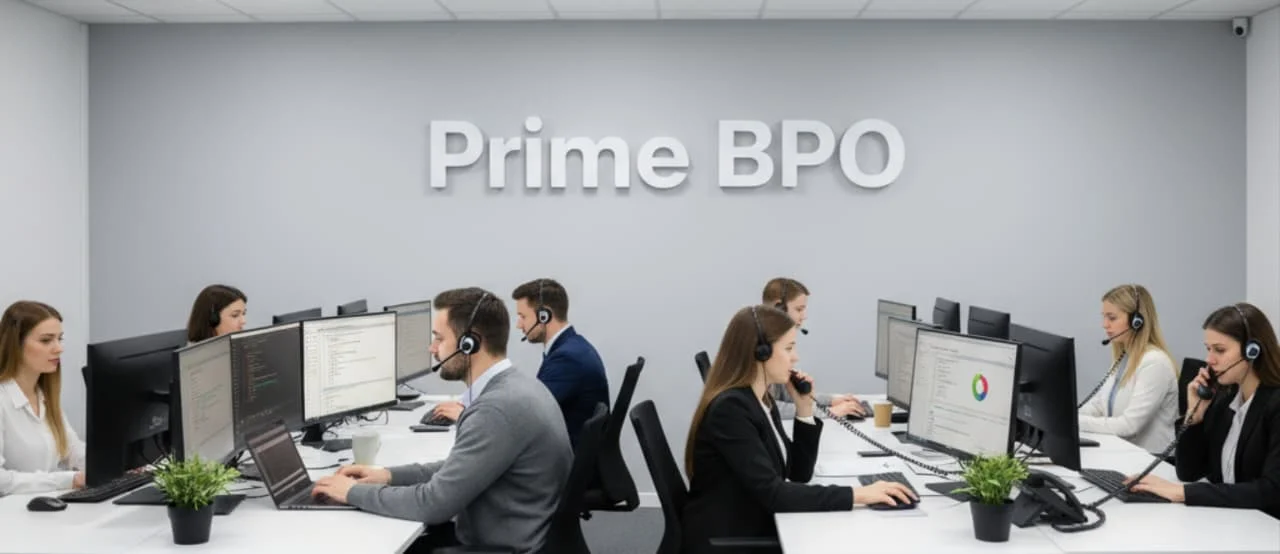
Appointment setting jobs are entry-to-mid-level sales roles where you contact prospects by phone, email, or LinkedIn, check whether they are a fit, and book a meeting for a closer or account executive. You don't close the sale yourself. You fill the calendar that someone else sells from.
Quick answer: Appointment setters in the US earn an average base of about $16.56 an hour, with total pay of roughly $29,000 to $50,000 a year once bonuses and commission are added (PayScale, October 2026). Many roles are remote, and most require no degree, but a legitimate employer will never ask you to pay for training or equipment.
What Are Appointment Setting Jobs?
An appointment setter is the first person in a sales team to have a real conversation with a prospect. The job is to reach people, confirm they match the type of customer the business wants, and book a time for them to speak with a closer. Success is measured in qualified meetings booked and meetings that actually happen, not in revenue closed.
You'll see the same work under several job titles:
- Appointment setter: the most common title, used in B2B and B2C.
- Sales development representative (SDR): the usual title in software and B2B services, often with more email and LinkedIn work. Our guide to what an SDR does in sales covers this role in more depth.
- Business development representative (BDR): often focused on outbound prospecting into new accounts. See SDR vs BDR for how companies split the two.
- Telemarketing or lead generation agent: common in call centers and BPO companies running outbound sales campaigns.
- Setter (high-ticket): used in coaching, info products, and home services, where a setter books calls for a closer selling a high-price offer.
Why companies hire appointment setters
Closers and account executives are expensive, and their time is best spent on prospects who are ready to talk. Splitting the work means one person does the high-volume prospecting and qualification, and another runs the sales conversation. This is why lead generation and appointment setting jobs exist in almost every industry that sells by phone or video call, from software and logistics to insurance, solar, and home improvement.
Many businesses also outsource this work to BPO companies and call centers rather than build an in-house team, which is where a large share of telemarketing appointment setting jobs and cold call appointment setting jobs sit. If you're curious how that model looks from the client side, see Prime BPO's overview of lead generation and appointment setting services.
How much can you earn?
Pay depends heavily on whether the role is hourly, commission-based, or a mix. For a US W-2 appointment setter, PayScale's October 2026 data shows an average base of $16.56 an hour, with most people between about $13 and $21. Commission and bonuses push total pay to roughly $29,000 to $50,000 a year. Experienced B2B SDRs and high-ticket setters can earn more, but those figures are less consistent, and the pay section below explains why.
Note: Treat any job ad that promises a fixed high monthly income from commission alone with caution. Real commission pay varies with lead quality, offer, and close rate, which are mostly outside a setter's control.
Appointment Setting Job Description and Daily Responsibilities
A typical appointment setting job description breaks into five tasks: work a lead list, reach out, qualify, book the meeting, and log everything in the CRM. Most of the day is spent on the phone or in a dialer, with short blocks for email follow-up and calendar confirmations.
Core responsibilities
- Prospecting and lead vetting: checking leads against the company's ideal customer profile (ICP), such as industry, company size, job title, or location, before spending time on a call. Prime BPO's guide to ICP in business explains how these profiles are built.
- Outreach: making outbound calls, sending follow-up emails, and in B2B roles, connecting on LinkedIn. Most campaigns use a sequence of several touches, because few prospects answer the first time.
- Qualification: asking a short set of questions to decide whether the prospect is worth a closer's time. Many teams use BANT (budget, authority, need, timeline). Complex B2B sales may use longer frameworks such as MEDDPICC, though setters usually handle only the first few elements.
- Calendar scheduling: booking the meeting directly into the closer's or account executive's calendar, sending the invite, and confirming the day before.
- CRM management: recording the call outcome (disposition), objections heard, and next steps in tools like Salesforce or HubSpot, so the closer walks into the meeting with context.
A sample day
The schedule below is an illustration of a full-time outbound B2B shift. Real schedules vary by employer and campaign.
|
Time block |
What you do |
|
First 30 minutes |
Review the day's lead list, check calendar availability, read notes from yesterday's callbacks |
|
Morning calling block |
Dial new leads and scheduled callbacks in the dialer |
|
Midday |
Send follow-up emails, confirm tomorrow's meetings, log notes |
|
Afternoon calling block |
Second round of dials, often reaching different time zones |
|
Last 30 minutes |
Clean up CRM records, report meetings booked and held |
Outbound cold calling vs. inbound warm lead follow-up
Outbound means calling people who haven't asked to hear from you, usually from a purchased or researched list. Expect many dials, short conversations, and frequent rejection. Prime BPO's cold calling scripts guide has opening lines and objection responses worth practicing before an interview.
Inbound or warm follow-up means calling people who filled in a form, downloaded something, or asked for information. Contact rates are higher and conversations are easier, but the leads go cold fast, so speed matters. For the wider picture, see inbound vs outbound lead generation.
B2B vs. B2C high-ticket setting
B2B appointment setting jobs involve calling businesses: you're often talking to a manager or owner, and you may need to get past a front desk or gatekeeper. Sales cycles are longer and meetings are usually video demos.
B2C high-ticket setting usually means calling individuals who responded to an ad for something expensive, such as a coaching program, solar installation, or home renovation. The conversation is more personal and emotional, and many of these roles are commission-only contracts.
Tools you'll use
- CRM: Salesforce, HubSpot, Zoho, or a company's own system. See Prime BPO's overview of cloud-based CRM software.
- Dialer: power, predictive, or preview dialers that queue calls automatically. The call center dialer types guide explains the differences.
- Scheduling: Calendly, Chili Piper, Google Calendar, or Outlook.
- Communication: Slack or Microsoft Teams, plus a VoIP softphone.
Note: You don't need to know every tool before applying. Employers train on their own stack. Being comfortable typing notes while talking is more useful than knowing a specific brand of CRM.
Types of Appointment Setting Roles
Most appointment setting jobs fall into four types: outbound B2B, inbound or warm-lead, telemarketing for consumer campaigns, and high-ticket setting. They differ in lead source, difficulty, and how you're paid, so it's worth knowing which one a posting describes before you apply.
|
Role type |
Lead source |
Difficulty |
Typical pay model |
Good fit for |
|
Outbound B2B setter / SDR |
Researched or purchased business lists |
Medium to high |
Hourly or salary base plus per-meeting bonus |
People who like research and can handle gatekeepers |
|
Inbound / warm-lead setter |
Web forms, ad responses, callback requests |
Low to medium |
Hourly base plus small bonus |
Customer service or retail switchers |
|
Telemarketing appointment setter |
Consumer lists for campaigns like insurance, solar, home services |
Medium |
Hourly base plus bonus, often in a call center |
People who want structured shifts and coaching |
|
High-ticket setter |
Ad leads for coaching, courses, or large purchases |
Medium |
Often commission-only (1099) |
Experienced, self-directed sellers |













Remote, hybrid, and on-site
Remote appointment setting jobs are common because the work needs only a computer, a headset, and an internet connection. Many are full-time W-2 roles with set shifts. Others are freelance appointment setting jobs or appointment setting contract jobs paid as 1099 contractors, where you set your own hours but cover your own costs and taxes.
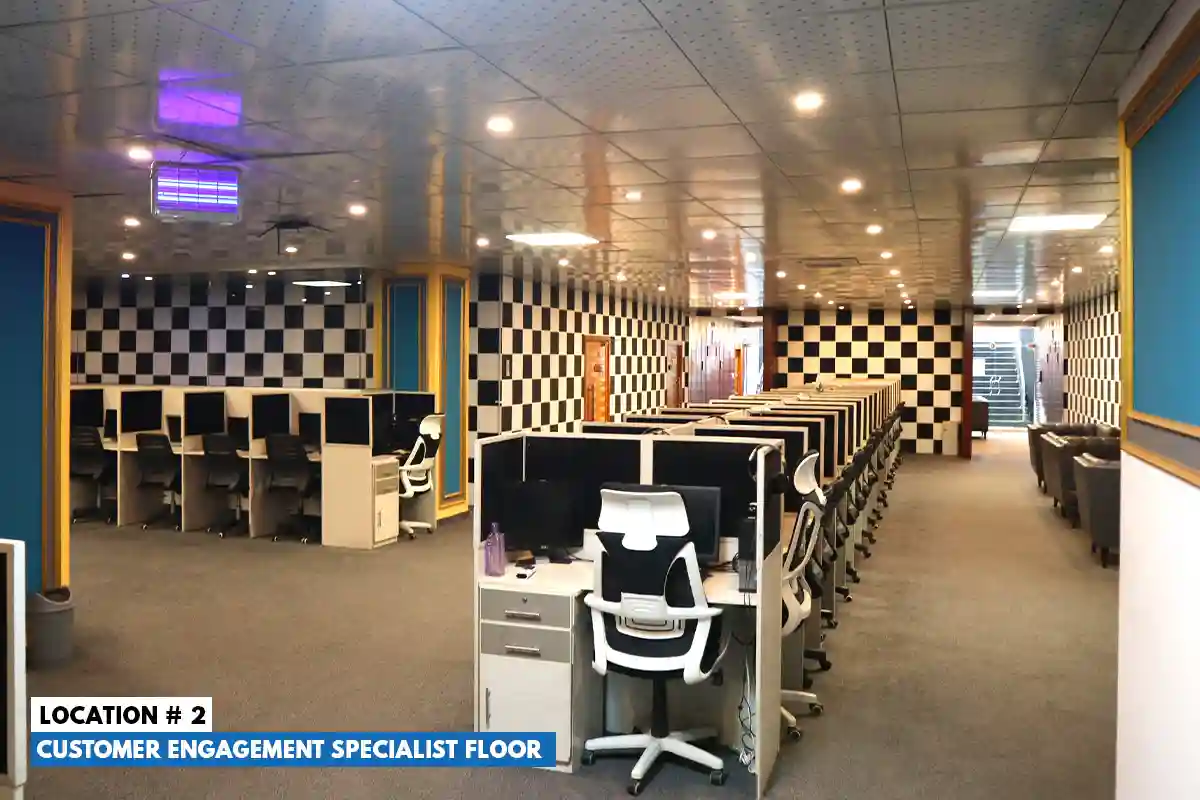
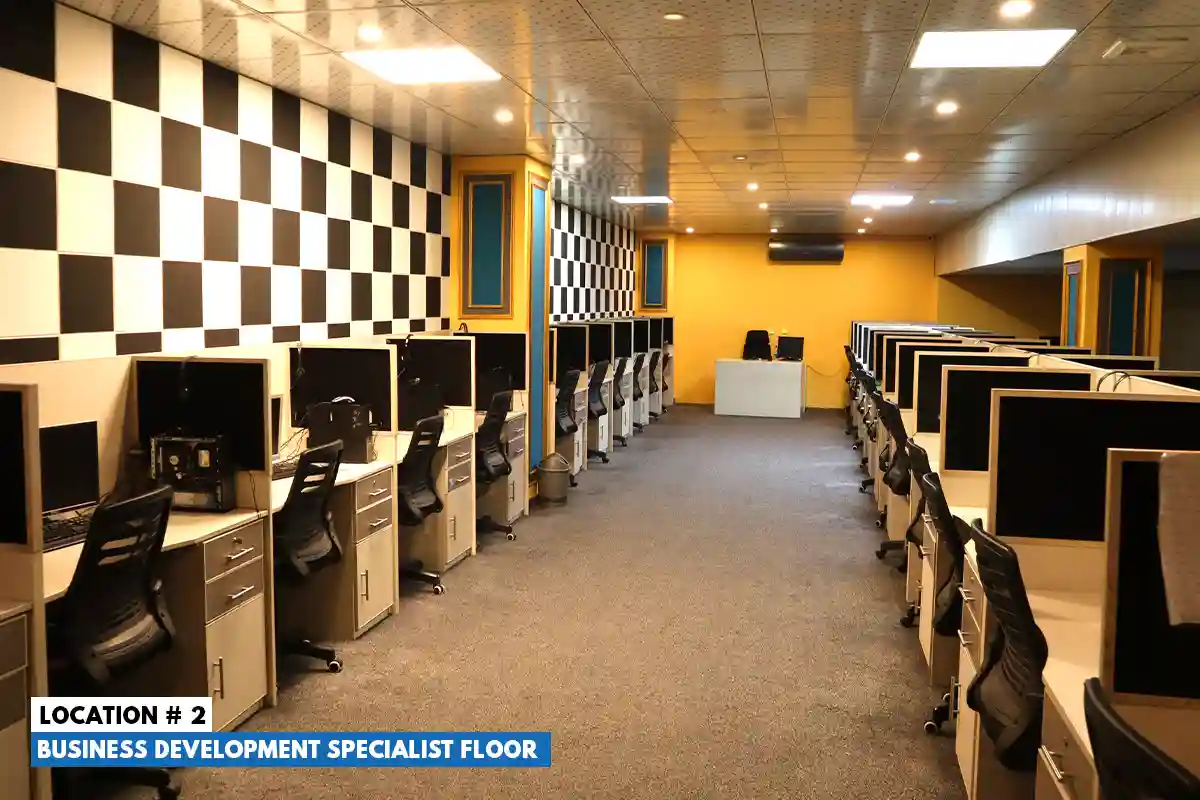
On-site roles are still common in call centers and BPO companies, where the employer supplies the equipment, dialer, and floor coaching. For a new setter, an on-site team can be the faster way to learn, because help is a few seats away.
Part-time appointment setting
Appointment setting jobs remote part time are easy to find for evening or weekend shifts, often for B2C campaigns that need to reach people after work. Part-time roles usually pay the same hourly rate as full-time ones but rarely include benefits.
Which type should you choose?
Do you have sales or phone experience?
├── No → Start with inbound / warm-lead or call center telemarketing roles
│ (hourly base, training provided)
└── Yes → Do you want a stable base pay?
├── Yes → Outbound B2B setter / SDR (W-2)
└── No → High-ticket setting (commission-heavy, 1099)
Get Free Quotes
Customized Options Await
Appointment Setting Jobs Salary (2026 Pay Data)
Most appointment setting jobs pay an hourly base plus a bonus for each qualified meeting booked or held. In the US, PayScale's October 2026 data puts the average base at $16.56 an hour and total yearly pay at about $29,000 to $50,000. Commission-only and high-ticket roles can pay more, but income swings from month to month.
What the pay data shows
|
Measure (US, PayScale) |
Figure |
|
Average base hourly pay |
$16.56 |
|
Typical hourly range (10th to 90th percentile) |
About $13 to $21 |
|
Reported bonus range |
About $254 to $3,000 a year |
|
Reported commission range |
About $9,000 to $15,000 a year |
|
Total pay range |
About $29,000 to $50,000 a year |
These figures come from self-reported salary profiles, updated October 15, 2026, so treat them as a guide rather than a guarantee. Pay is usually higher in large metro areas and in B2B software, and lower in entry-level consumer telemarketing.

How base pay plus commission works
Most employers combine a fixed hourly rate with a variable bonus. The bonus is usually tied to one of these:
- Per meeting booked: paid when the prospect accepts a time.
- Per meeting held: paid only when the prospect actually shows up. This is more common, because no-shows waste the closer's time.
- Per qualified opportunity: paid when the closer confirms the prospect met the criteria.
- Revenue share: a percentage of closed deals, mostly in high-ticket roles.
Here is a hypothetical example of a full-time W-2 role at the PayScale average:
Base: $16.56/hr × 40 hrs × 52 weeks = $34,445 a year
Bonus: $30 per held meeting × 10 held meetings a month × 12 = $3,600 a year
Total: about $38,045 a year before tax
The $30 bonus and 10 meetings a month are illustrations only. Per-meeting bonuses vary widely by employer, industry, and deal size, so ask for the exact bonus plan in writing before accepting an offer.
Entry-level vs. experienced setters
Appointment setting jobs with no experience required usually start near the lower end of the hourly range and pay smaller bonuses. PayScale's early-career data sits around $13 an hour in total compensation. Pay rises with experience, a strong show-rate record, and a move into B2B or SDR roles, where meetings are worth more to the employer. Many setters move up into closer or account executive roles within a year or two, and that is usually where the larger pay increases come from.
High-ticket appointment setting pay
High ticket appointment setting jobs are often commission-only contracts where you earn a share of each closed deal. A hypothetical example:
Deals closed from your booked calls: 8 a month
Average deal size: $3,000
Your share: 7%
Monthly pay: 8 × $3,000 × 7% = $1,680
If the closer has a slow month, or the leads are poor, your pay drops with it, and there's no base to fall back on. Some high-ticket setters do earn well, but ads promising a set income such as "$5,000 a month" describe the best case, not the typical one.
W-2 employee vs. 1099 contractor
|
|
W-2 employee |
1099 contractor |
|
Who sets hours |
Employer |
Usually you |
|
Minimum wage and overtime |
Covered by law |
Not covered |
|
Payroll taxes |
Employer pays half of Social Security and Medicare |
You pay the full 15.3% self-employment tax |
|
Equipment |
Often supplied |
Usually your own |
|
Benefits |
Possible (health, paid leave) |
None |
The IRS sets self-employment tax at 15.3% (12.4% Social Security plus 2.9% Medicare), and you owe it once net self-employment earnings reach $400 in a year. A contractor rate needs to be noticeably higher than a W-2 rate just to come out even.
Note: Pay laws vary by state. Some states set a higher minimum wage than the federal level, and that applies to the base pay of W-2 setters working in that state.
Get Free Quotes
Customized Options Await
Remote Setup for Work From Home Appointment Setting Jobs
Work from home appointment setting jobs need four things: a stable wired internet connection, a computer that can run a browser-based dialer and CRM at the same time, a USB noise-canceling headset, and a quiet room. Some employers ship equipment; many expect you to have your own, so check the posting before you apply.
Home office readiness checklist
Exact requirements differ by employer. The table below reflects what remote call center jobs commonly ask for, with a recommended level that gives you some margin.
|
Item |
Common minimum |
Recommended |
Why it matters |
|
Internet |
Stable broadband, often 25 Mbps or more download |
50 Mbps or more on cable or fiber, with a wired Ethernet connection |
Dropped or choppy calls lose meetings and hurt your quality scores |
|
Computer |
Recent Windows or Mac laptop or desktop |
16 GB RAM, current operating system |
Dialers, CRMs, and video calls running together use a lot of memory |
|
Monitor |
One screen |
Two screens |
One for the dialer and script, one for the CRM and calendar |
|
Headset |
Wired USB headset with microphone |
USB noise-canceling headset |
Background noise makes you sound less professional and can break call recordings |
|
Workspace |
Quiet room |
Room with a door, away from family, pets, and street noise |
Prospects judge you by what they hear |
|
Backup |
None |
Mobile hotspot or a backup connection |
Lets you finish a shift if your main connection drops |
Note: Wi-Fi is the most common cause of poor call quality for home agents. If you can, run a cable from your router to your computer. Many employers run an internet speed test during onboarding and may require a wired connection.

Software you may need to install
- A softphone or browser-based dialer supplied by the employer
- The employer's CRM login, usually through a browser
- A VPN or secure desktop if the campaign handles sensitive data
- Video and chat tools for training and team meetings
Shift hours and time zones
Remote roles calling US prospects follow US business hours, and consumer campaigns often run into the evening. For outbound consumer calls, the FTC's Telemarketing Sales Rule limits calls to between 8 a.m. and 9 p.m. in the person's local time zone, and you must not call numbers on the National Do Not Call Registry. Most business-to-business calls are exempt from the Telemarketing Sales Rule, but your employer will still have its own compliance rules. A good employer trains you on these before your first shift.
Get Free Quotes
Customized Options Await
How to Find Legit Appointment Setting Jobs and Avoid Scams
Legit appointment setting jobs come from a company you can verify, pay you rather than charge you, and explain the pay plan in writing. The FTC says any job that asks you to pay upfront, or sends you a check to buy equipment and return the difference, is a scam.
Remote sales roles attract fake listings because they are easy to advertise and hard to check. Online appointment setting jobs posted only on social media or messaging apps deserve extra care.
Red flags
- You're asked to pay: for training, a starter kit, software, a background check, or "leads." The FTC is clear that being asked for money before you start work is a scam.
- A check arrives for equipment: the scammer sends a check, asks you to buy equipment from their "vendor," and wants the extra amount sent back. The check bounces, often after your bank has made the money available, and you're left owing the full amount.
- Personal data before an offer: a request for your Social Security number or bank details before you've been formally hired.
- Chat-only interviews: the whole process happens by text or messaging app, with no phone or video call.
- Unverifiable contact details: a free email address instead of a company domain, or a company name that doesn't match its website.
- Pay that sounds too good: large guaranteed earnings for little work, or "commission only" with no clear product or lead source.
Signs of a legitimate employer
- A real company website, physical address, and staff you can find on LinkedIn
- A phone or video interview, often including a mock call
- A written offer stating your base pay, bonus plan, schedule, and whether you're W-2 or 1099
- Equipment, software, and training supplied or clearly explained, at no cost to you
- Standard tax paperwork: a W-4 for employees or a W-9 for contractors, collected after the offer

How to check a job before you apply
- Search the company name, email address, and phone number with words like "scam," "review," or "complaint," as the FTC recommends.
- Confirm the job appears on the company's own careers page, not only on a job board or social post.
- Look up the recruiter on LinkedIn and check they work there.
- Never deposit a check from an employer you haven't met and send money on.
- Report fake offers to the FTC at ReportFraud.ftc.gov.
Note: Scammers sometimes copy the names of real companies. If an offer seems to come from a well-known business, contact that company through the phone number or email on its official website, not the details in the message you received.
Get Free Quotes
Customized Options Await
Skills You Need and How to Start With No Experience
The skills that matter most in appointment setting are active listening, handling objections calmly, writing clear CRM notes, and keeping your energy up across many calls. None of these require a degree, which is why many people start in appointment setting jobs with no experience and learn on the job.
Core skills
- Active listening: hearing what the prospect actually needs, not just waiting for your turn to pitch.
- Objection handling: responding to "not interested," "send me an email," or "we already have a provider" without arguing.
- Phone presence: a clear, friendly, unhurried voice. Smiling while you talk genuinely changes your tone.
- Resilience: most calls end with no answer or a no. The setters who last treat rejection as part of the numbers.
- CRM accuracy: clean notes so the closer knows exactly why the prospect agreed to meet.
- Time management: working callbacks at the right time and keeping your calendar confirmations on track.
- Hitting sales targets and KPIs: being comfortable with daily goals for dials, conversations, and meetings.
A short objection-handling example
The exchange below is a sample, with fictional names, of a common B2B objection.
Prospect (Dana): "Just send me an email."
Setter (Sam): "Happy to. So I send the right thing, is the bigger issue
right now cost or response time?"
Dana: "Response time, honestly."
Sam: "That's exactly what our specialist covers. Would 15 minutes
on Thursday at 2 or Friday at 10 be easier?"
The setter agrees, asks one qualifying question, and offers two specific times instead of asking an open "when are you free?"
Breaking in with no experience
You probably have more relevant experience than you think. Employers hiring entry-level setters look for:
- Customer service: handling complaints shows you can stay calm under pressure. Prime BPO's guide to customer service skills lists the ones that carry over.
- Retail or hospitality: upselling, meeting daily targets, and talking to strangers all day.
- Call center work: any inbound or support role gives you phone stamina and system skills.
- Reliability: turning up on time for every shift matters more to a hiring manager than polished sales language.
To stand out without sales experience, practice a 30-second introduction and a few objection responses out loud, record yourself, and listen back. Free CRM trials and sales courses can also show that you've taken the first step yourself.
Note: Entry-level roles with an hourly base and structured training are a safer start than commission-only contracts. They let you learn the skill before your income depends on it.
How to Get Hired as an Appointment Setter
Getting hired usually takes three steps: a short sales-focused resume, a phone screen where your voice is the real test, and a mock call. Preparing for the mock call matters most, because it's the closest thing to the job itself.
Step 1: Write a sales-focused resume and a 30-second intro
Keep the resume to one page and lead with numbers wherever you have them: calls handled per day, customer satisfaction scores, sales targets met, or upsells made. List any CRM, dialer, or ticketing tools you've used. Then write a 30-second spoken introduction covering who you are, what phone work you've done, and why you want a sales role. You'll use it in nearly every interview.
Step 2: Prepare for the phone screen and mock call
Many employers start with a short phone screen, partly to hear how you sound. A mock call usually follows, where the interviewer plays a prospect and raises objections. To prepare:
- Practice the objection example above until it feels natural.
- Ask at least one qualifying question before suggesting a meeting.
- Offer two specific times instead of asking when they're free.
- Stay polite if the "prospect" says no. Interviewers often test how you handle rejection.
Prime BPO's call center interview questions and answers covers the questions you're most likely to hear.
Step 3: Choose a team that will train you
Your first role shapes how quickly you improve. Look for a team with regular call coaching, clear scripts, a fair bonus plan, and a visible path to closer or account executive roles. A setter who books meetings that actually show up is the person sales managers promote first.
Sales careers at Prime BPO
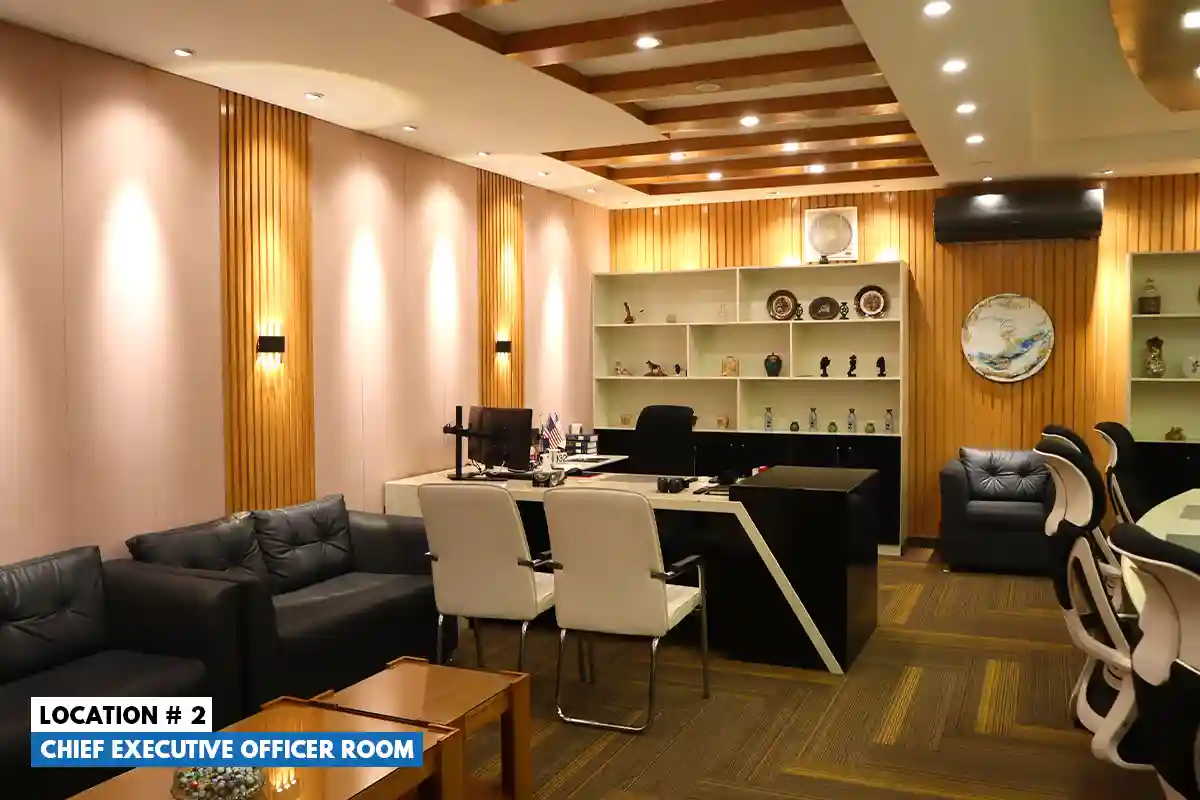
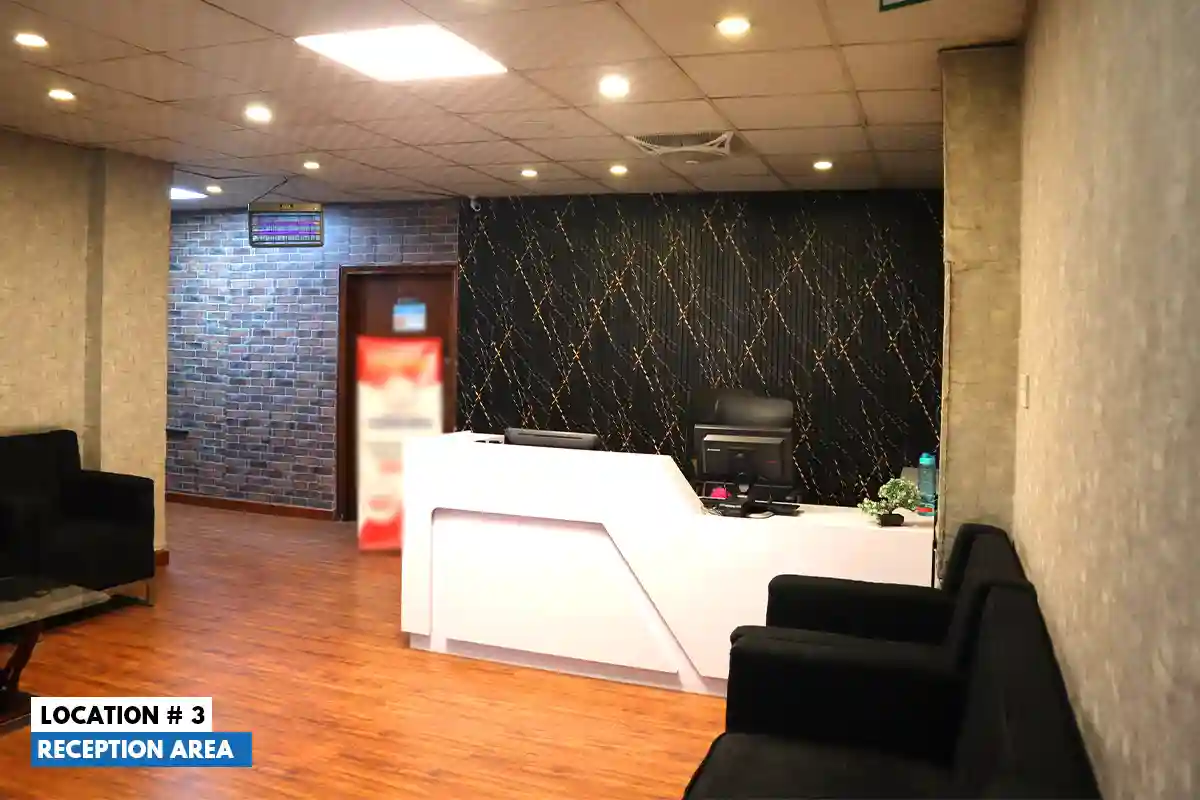
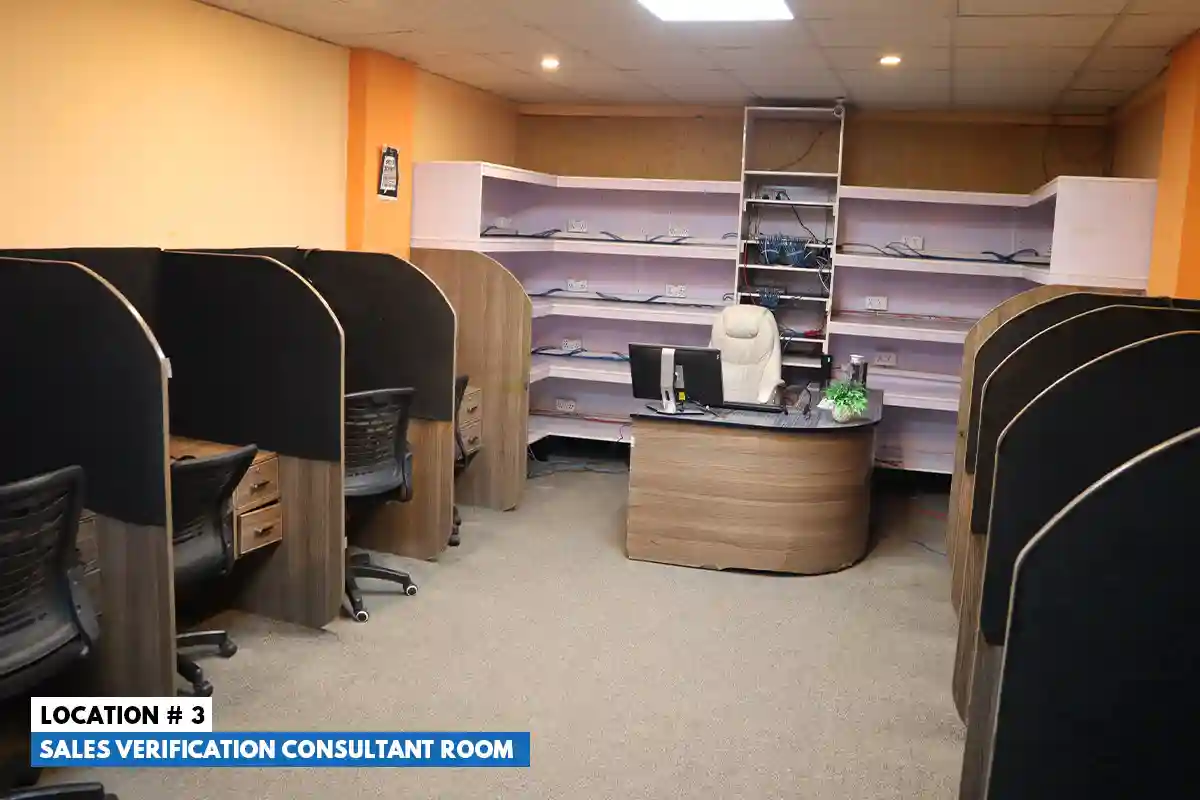
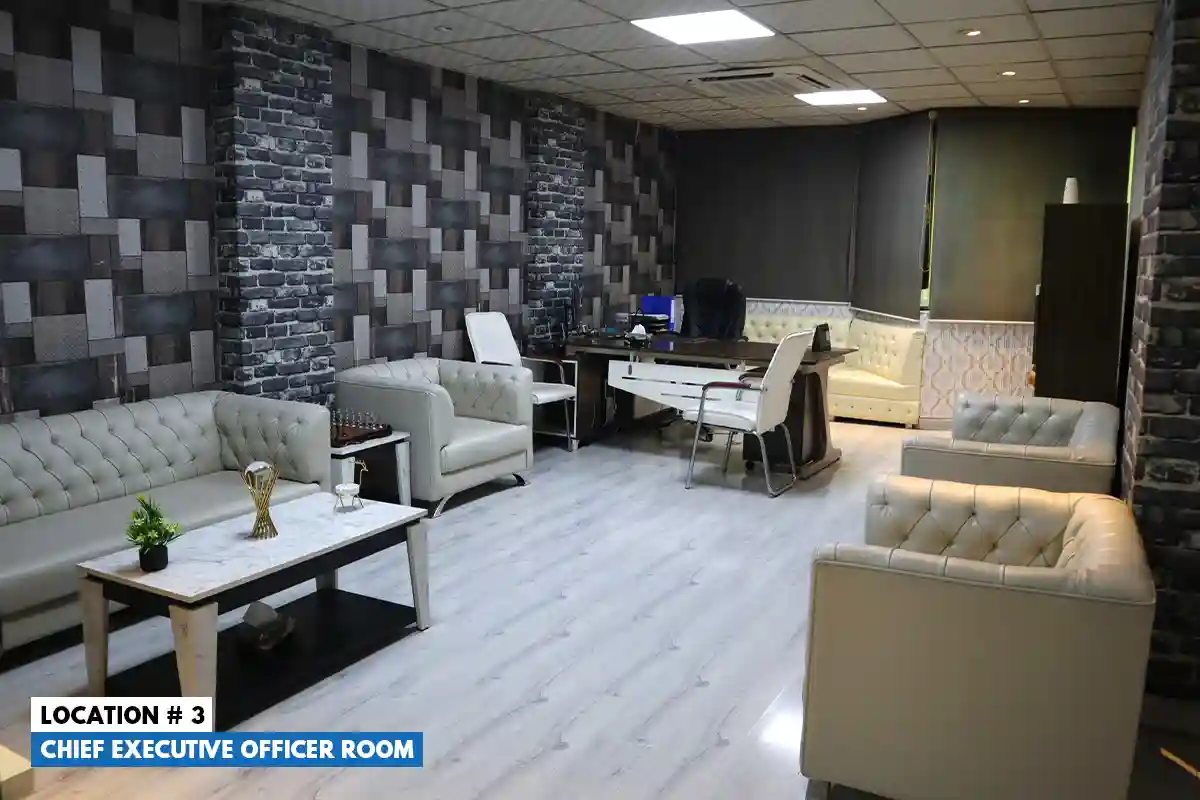
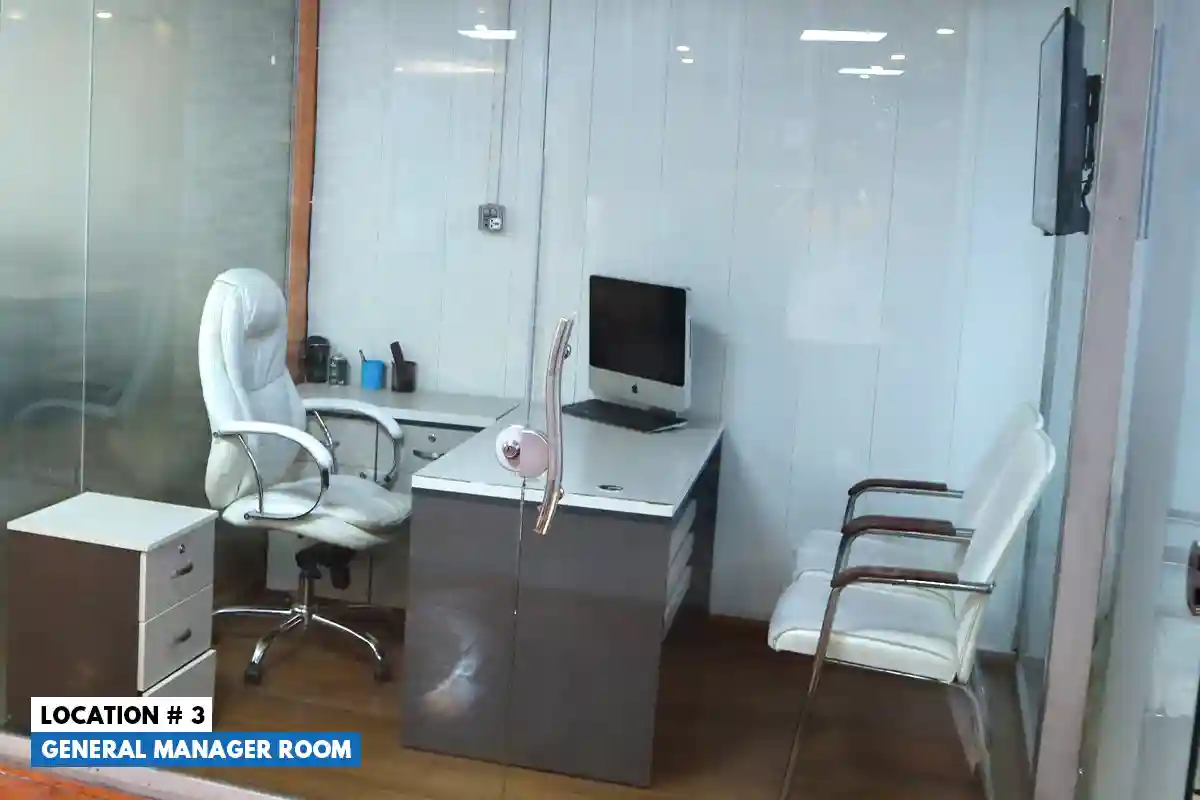
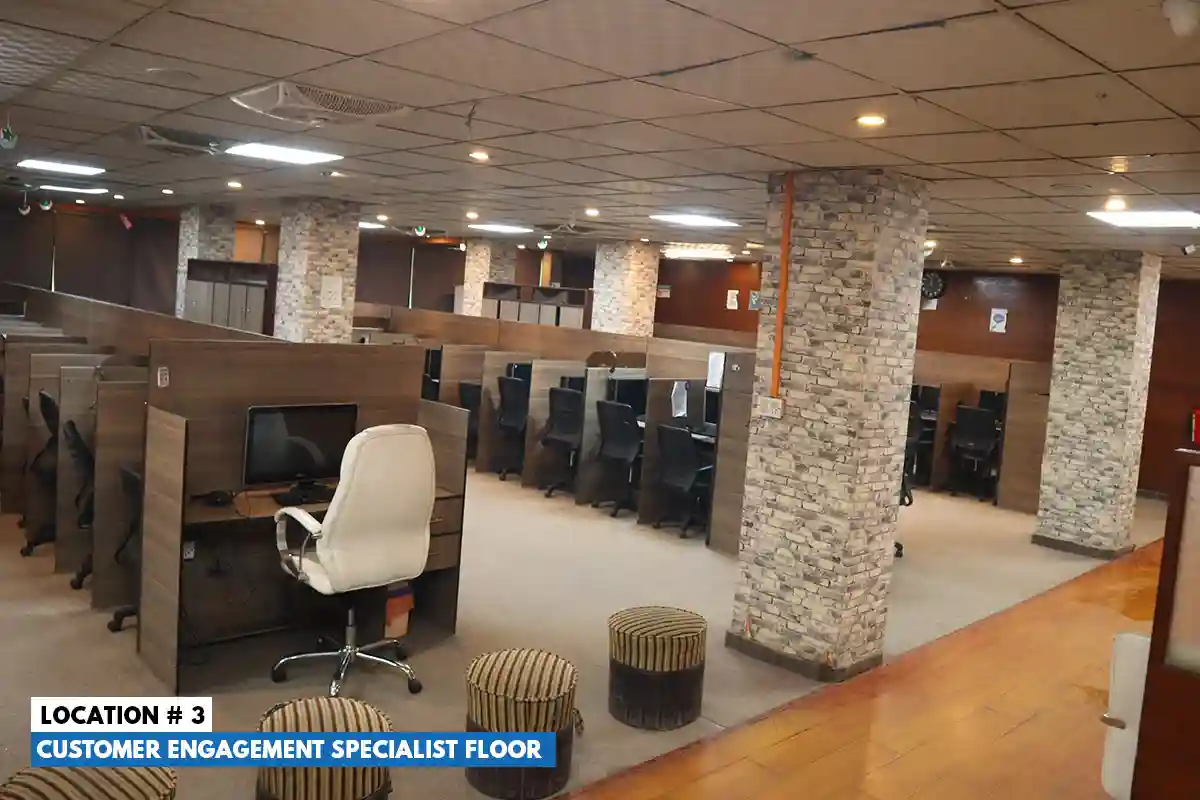
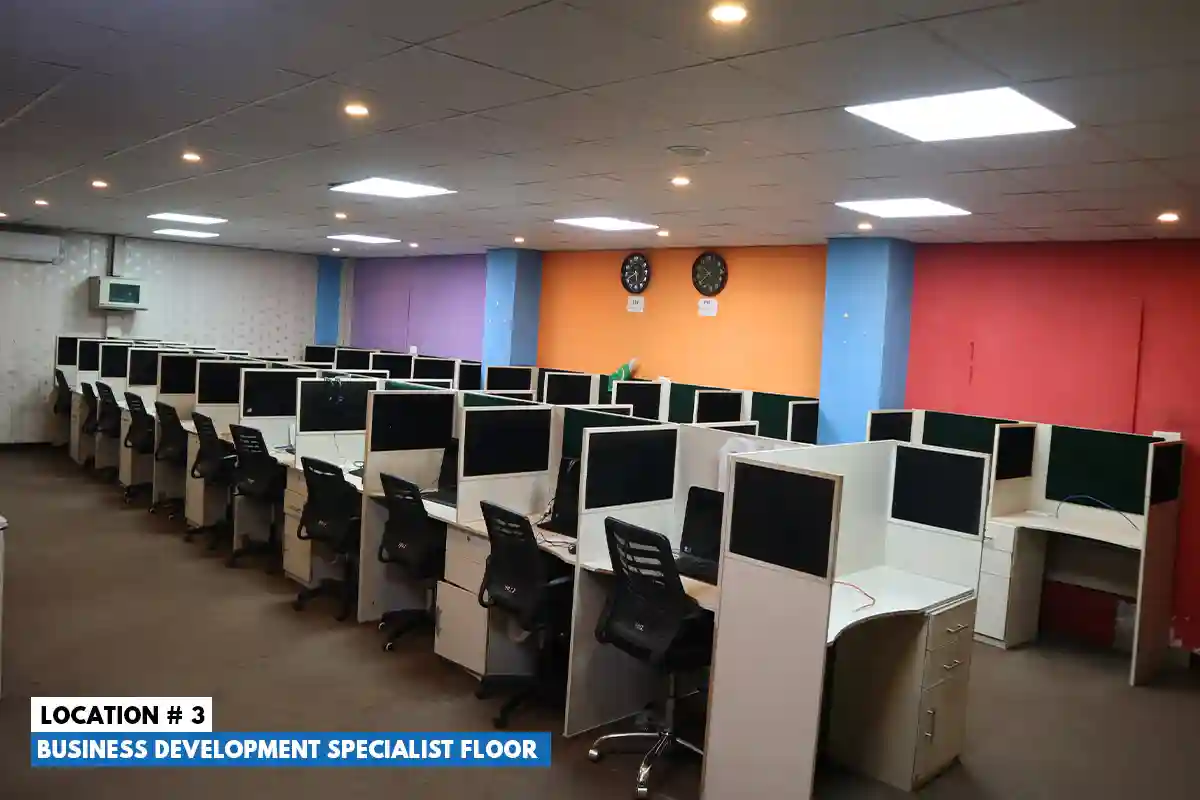
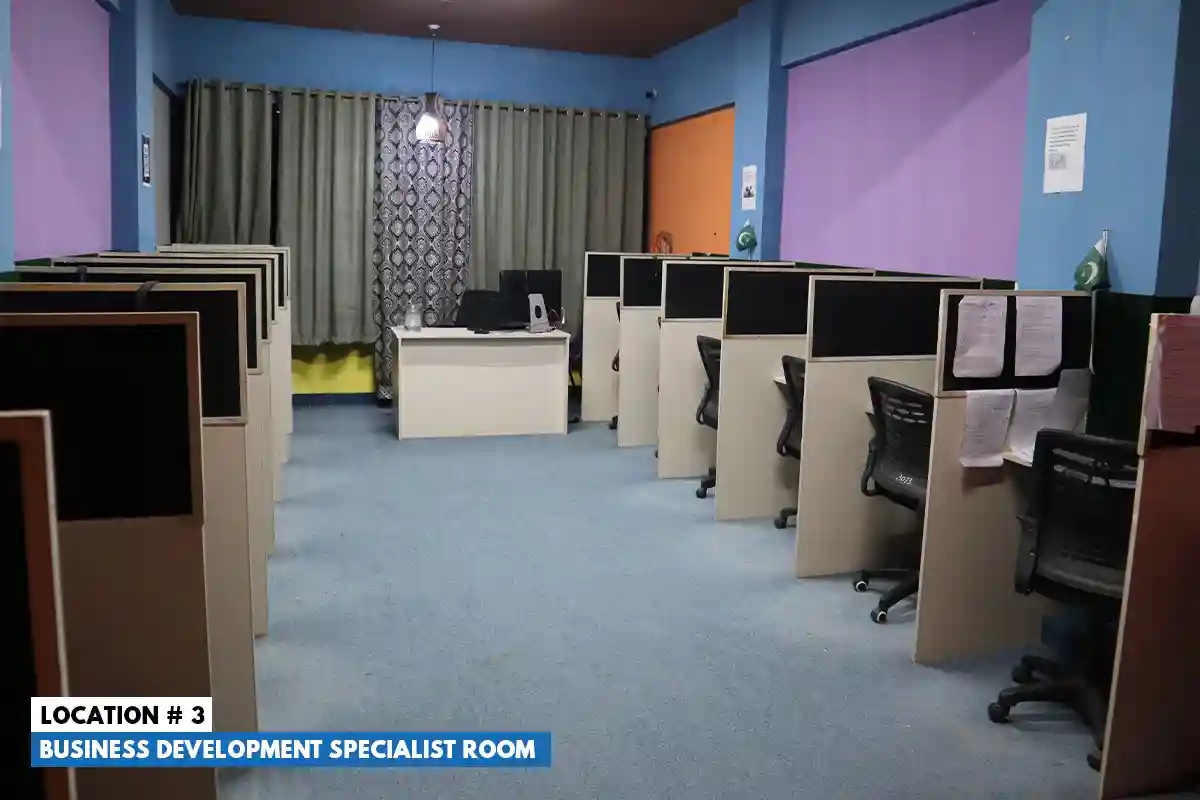
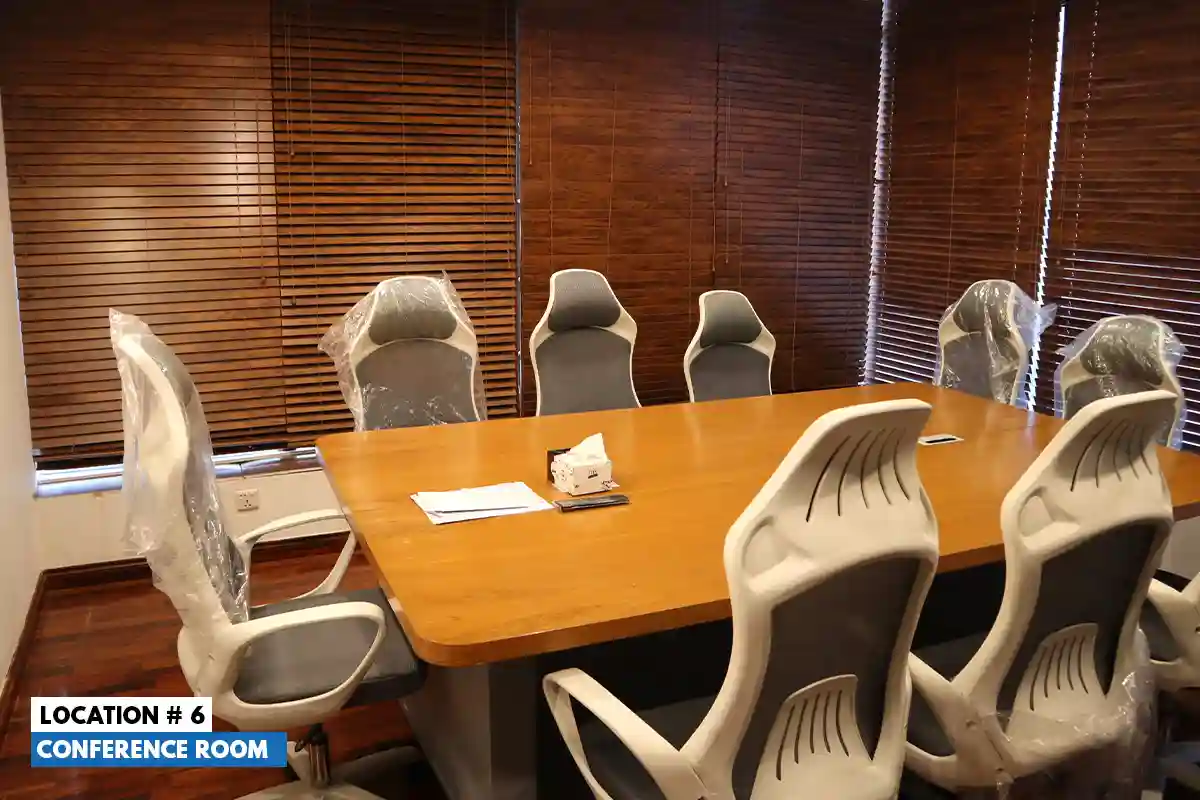
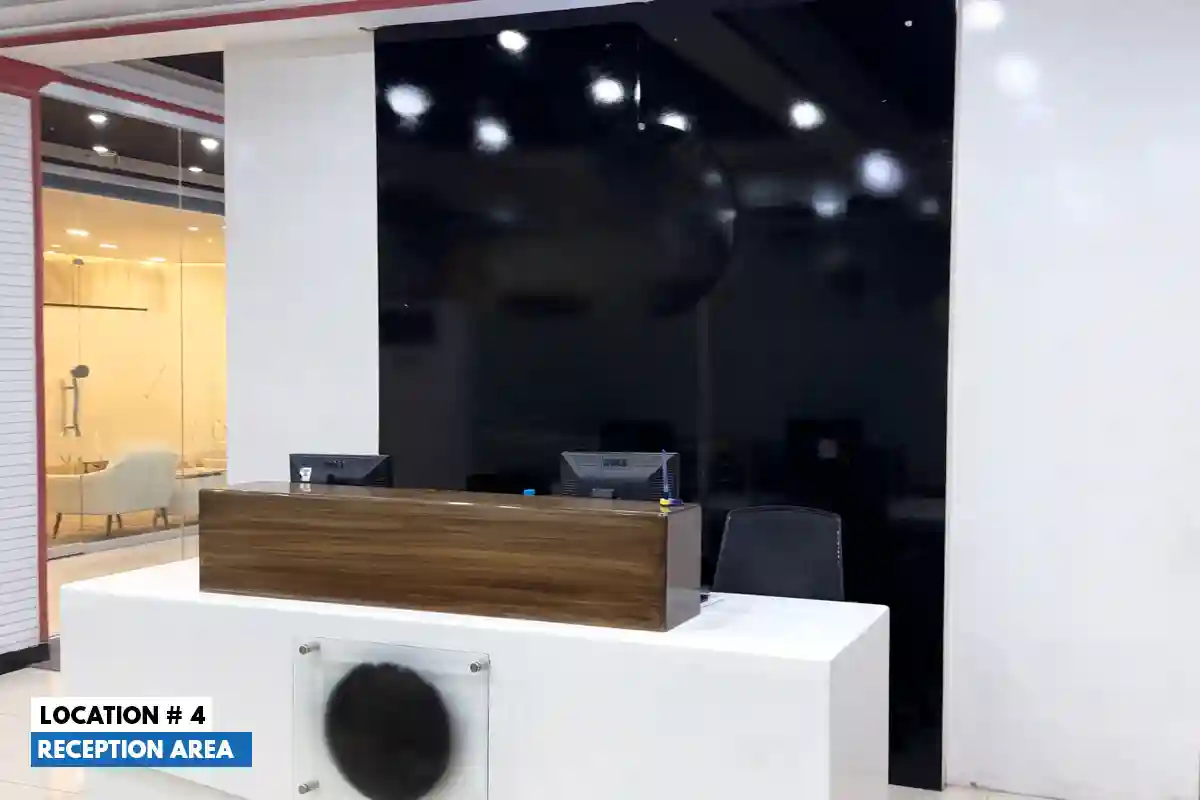
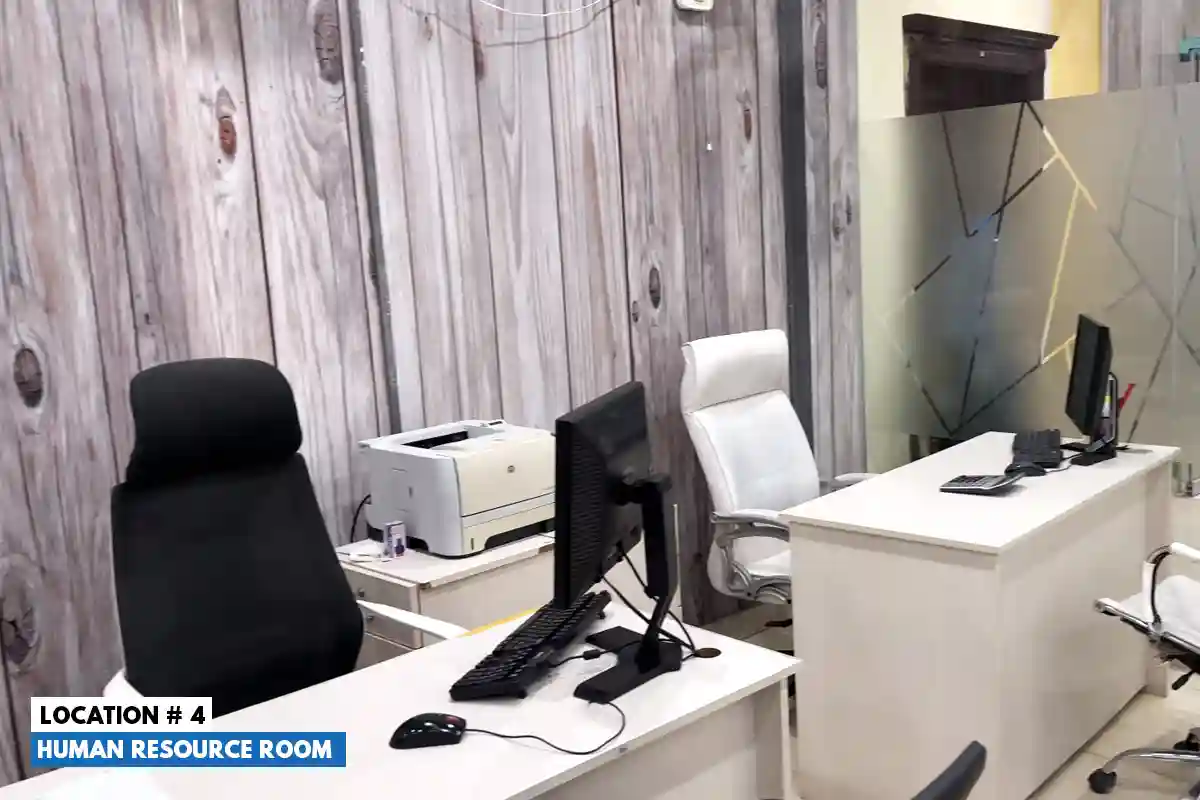
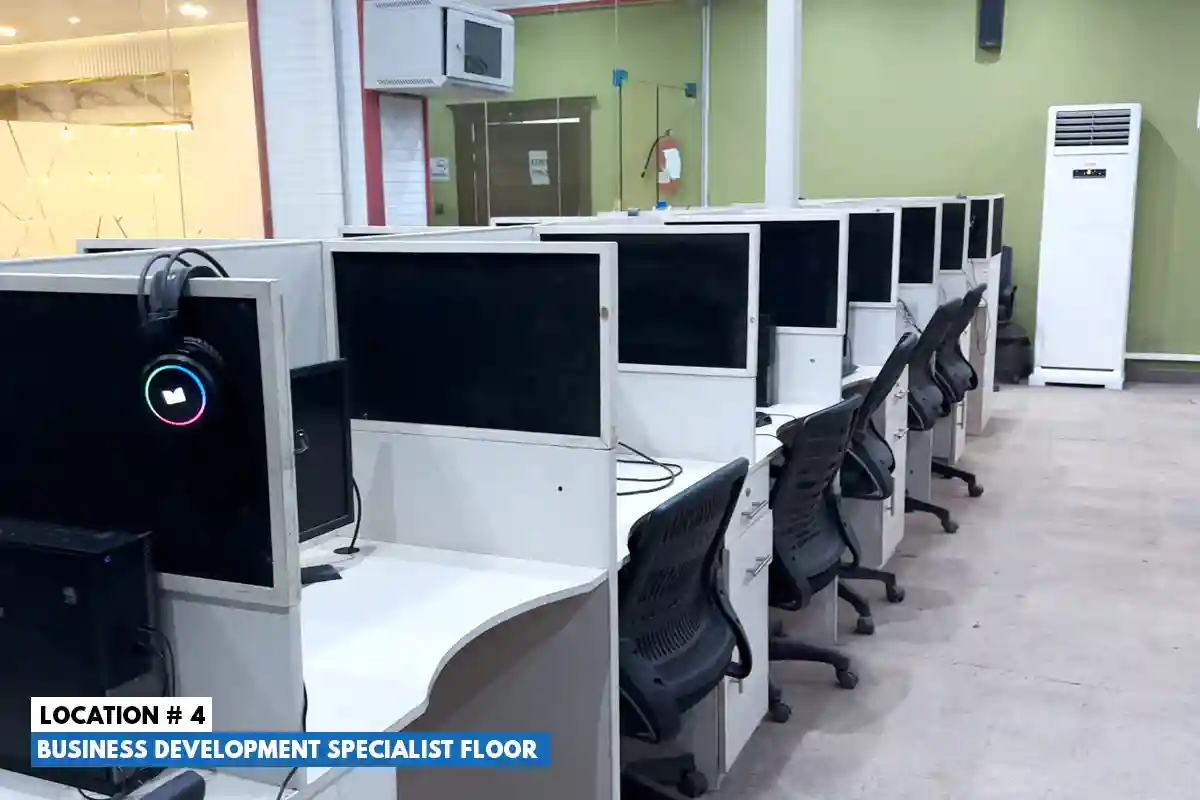
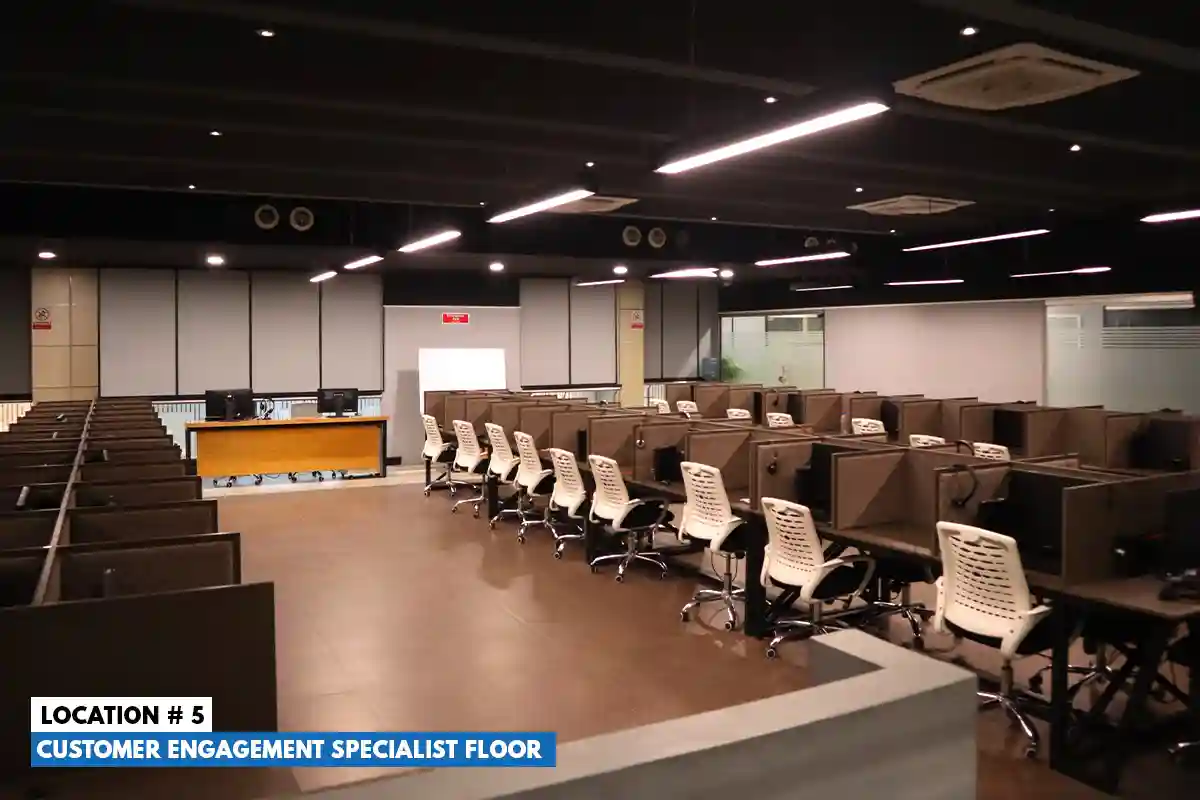
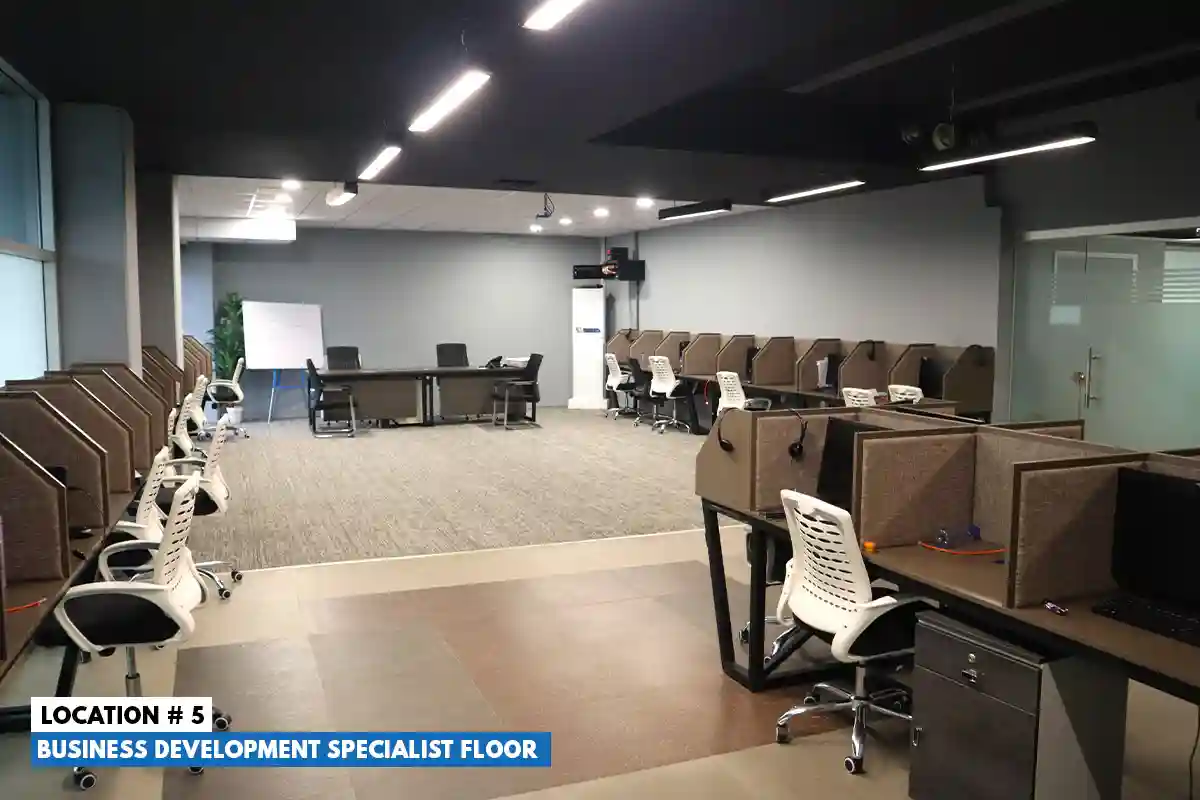
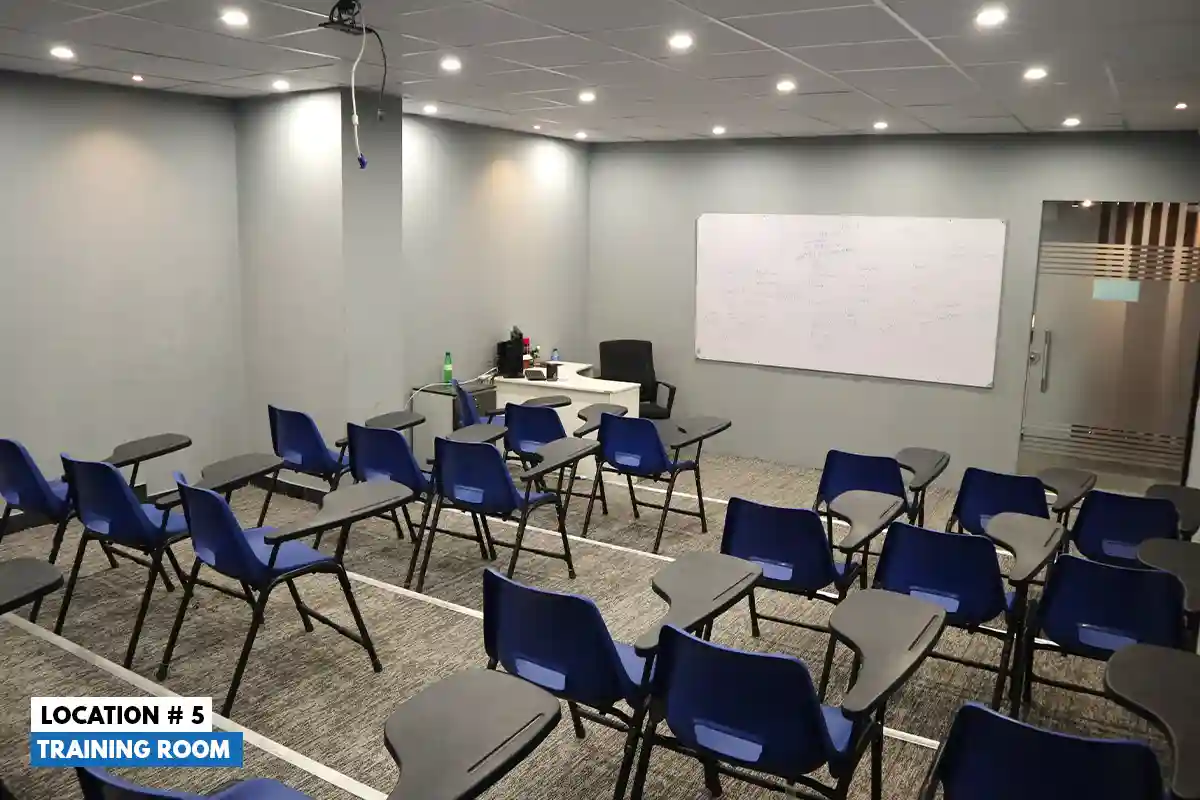
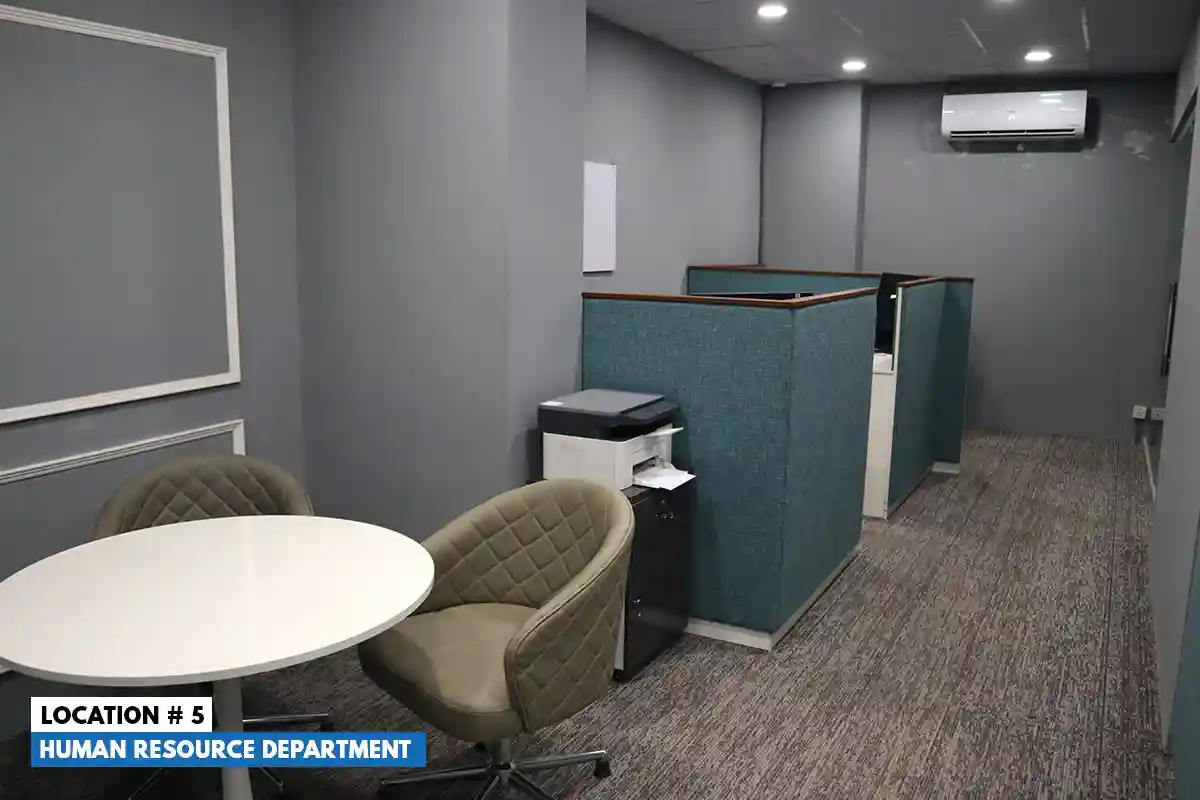
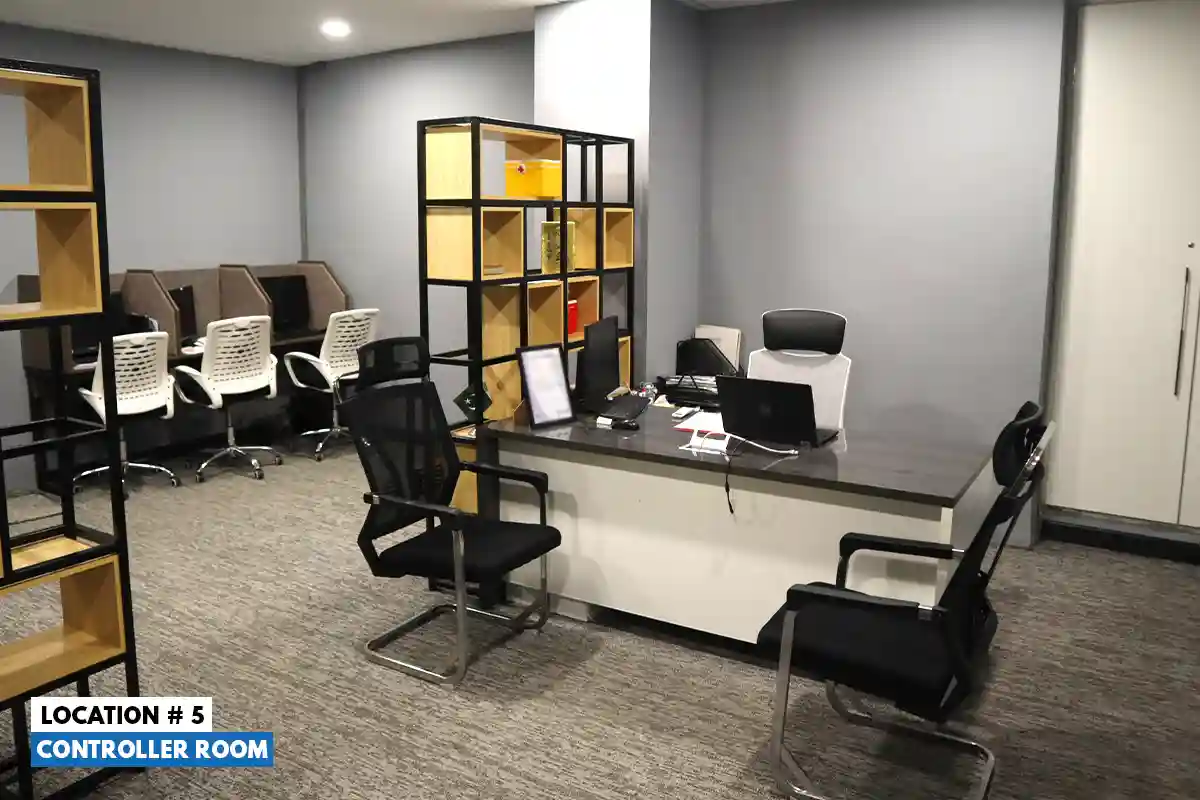
Prime BPO is a BPO company with six offices in Rawalpindi, Pakistan, running sales and customer service campaigns for US clients. Its operations are certified to ISO 18295-1:2017, the international standard for customer contact centers. Current openings are listed on the Prime BPO jobs page, and recent listings include sales-floor roles such as verifier, sales validator, retention officer, and closer positions on final expense and medical alert campaigns, based at its Satellite Town and Saddar offices.
For job seekers in Pakistan who want US-facing sales experience, these roles cover the same core skills as appointment setting: qualifying people on the phone, handling objections, and working in a dialer and CRM. To understand the roles better before applying, read Prime BPO's guides to closer jobs, verifier jobs, and remote call center jobs in Pakistan.
Conclusion
Appointment setting is one of the most accessible ways into a sales career. You can start without a degree, often from home, and the skills you build lead directly into closing and account management roles. The key is choosing a legitimate employer with a clear base pay, a written bonus plan, and real training.
|
Your situation |
Best starting point |
|
No sales experience, want stable pay |
Hourly inbound or call center telemarketing role with training |
|
Customer service background |
Inbound or warm-lead setter role |
|
Some phone sales experience |
Outbound B2B setter or SDR role with a per-meeting bonus |
|
Strong closer-level skills, comfortable with risk |
High-ticket setting on commission |
|
Want flexibility around other work |
Part-time evening or weekend shifts |
|
Based in Pakistan, want US campaign experience |
On-site sales roles at a certified BPO such as Prime BPO |
Start Your Sales Career With Prime BPO
If you want to build phone sales skills on US campaigns, explore career opportunities at Prime BPO. You'll find current openings, role details, and how to apply on each listing. For other questions, contact the Prime BPO team or call +92-51-8733177.
If you're a business looking for a team to book meetings for you rather than a job, see Prime BPO's lead generation services.
Frequently Asked Questions
What does an appointment setter do in a BPO company?
In a BPO company, an appointment setter works on an outsourced sales campaign for a client business. They call leads from the client's or the BPO's list, qualify each prospect against the campaign criteria, book meetings or transfer qualified calls to a closer, and log every outcome in the CRM. Supervisors and quality teams usually review calls for script accuracy and compliance.
Can I work remotely as an appointment setter?
Yes. Many appointment setting jobs are remote. You'll typically need a stable wired internet connection, a reliable computer, a USB noise-canceling headset, and a quiet room. Some employers supply equipment and software; others expect you to provide your own. Some BPO and call center roles are on-site only, so check the job listing.
Do appointment setting jobs require previous experience?
Many don't. Entry-level roles, especially inbound and call center telemarketing positions, hire people from customer service, retail, and hospitality backgrounds and train them on scripts and tools. B2B SDR and high-ticket roles more often ask for prior phone sales experience or a track record of meetings booked.
How much can you earn in an appointment setting job?
In the US, PayScale's October 2026 data shows an average base of about $16.56 an hour and total pay of roughly $29,000 to $50,000 a year including bonuses and commission. Experienced B2B setters and high-ticket setters can earn more, but commission-heavy pay varies month to month with lead quality and close rates.
What skills are required for a B2B appointment setting job?
The main skills are active listening, calm objection handling, confident phone presence, accurate CRM notes, and the stamina to make many calls a day. B2B roles also reward basic research skills, because you'll often look up a company and the right decision maker before calling.
Are appointment setting jobs legit, or mostly scams?
Most listings come from real employers, but scams exist, especially in remote roles. A legitimate employer interviews you by phone or video, puts your pay plan in writing, and never asks you to pay for training, equipment, or leads. If someone sends you a check to buy equipment and asks you to return part of it, the FTC says it's a scam.
Sources and 2026 Verification
- PayScale: Appointment Setter hourly pay, updated October 15, 2026
- PayScale: Mid-career appointment setter hourly pay
- FTC: Want to work from home? Spot the scams first
- FTC: Complying with the Telemarketing Sales Rule
- IRS: Self-employment tax (Social Security and Medicare taxes)
- Prime BPO jobs page
Disclaimer: Pay figures are based on self-reported salary data and are averages, not offers. Bonus, commission, and earnings examples marked as hypothetical are illustrations only. Equipment requirements, pay plans, and job availability vary by employer and change over time. This article is general information, not legal or tax advice; check current rules with the IRS, FTC, or your state labor department.