

Cold calling scripts give sales reps a clear path through a call: a short opener, a reason for calling, a few discovery questions, ready answers to common objections, and a simple ask for the next step. The best scripts sound like a conversation, not a reading.
Quick answer: A good cold calling script has five parts: an opener that earns 30 seconds, a one-line reason for the call, two or three discovery questions, short responses to common objections, and a low-pressure request for a meeting. Live B2B cold calling is legal in the U.S., but calls to consumers must follow the Telemarketing Sales Rule, the TCPA, and the National Do Not Call Registry, and some B2B rules apply too.
What Is a Cold Call Script?
A cold call script is a structured conversation guide that outbound sales reps use when calling prospects who haven't asked to hear from them. It gives the rep a strong opening, a clear reason for the call, key questions, answers to common objections, and a specific next step to ask for.
A script isn't meant to be read word for word. It works best as a roadmap: reps learn the structure and key lines, then adapt them to each prospect.
Why scripting beats winging it
- Consistency: every rep delivers the same core message and asks for the same next step.
- Confidence: new reps know what to say when a prospect pushes back, which reduces call anxiety. See how to overcome fear of cold calling.
- Faster ramp-up: new hires can start calling sooner with a proven structure.
- Testing and improvement: when everyone uses the same base script, managers can test one change at a time, such as a new opener, and see what improves meeting rates.
- Compliance: scripts make it easier to include required disclosures every time, which matters for consumer telemarketing.
Is B2B cold calling legal?
Yes. Live, manual cold calls to businesses are legal in the U.S. Most business-to-business calls are exempt from much of the FTC's Telemarketing Sales Rule (TSR), but not all of it: since 2024, the TSR's ban on misrepresentations also covers B2B calls. Calls to consumers, and any calls using autodialers or prerecorded messages, face stricter rules. We cover the details in the compliance section below.
The 5 Stages of Cold Calling
Most successful cold calls follow five stages: open, explain why you're calling, discover the prospect's situation, handle resistance, and ask for a next step. Each stage has one job, and moving through them in order keeps the call short and focused.
Stage 1: Opener (first 5 to 10 seconds)
-> Stage 2: Reason for the call (10 to 15 seconds)
-> Stage 3: Discovery questions (30 seconds to a few minutes)
-> Stage 4: Objection handling (as needed)
-> Stage 5: Close for a next step (meeting, demo, estimate)
Stage 1: The opener
The first few seconds decide whether the prospect keeps listening. Say who you are, where you're from, and either ask for a moment of their time or lead with something relevant to them.
"Hi Maria, this is Jake with Brightline Logistics. I know I'm calling out of the blue. Do you have 30 seconds for me to tell you why I called, and then you can decide if we keep talking?"
Stage 2: The reason for the call
In one or two sentences, connect your call to a problem the prospect likely has. Focus on their outcome, not your product features.
"We work with regional distributors who are tired of paying for empty truck space on return trips. Most of them cut those costs within the first quarter."
Stage 3: Discovery and qualification
Ask open-ended questions to find out whether there's a real problem and a fit. Listen more than you talk.
- "How are you handling return shipments today?"
- "What's the biggest headache with that process?"
- "If you could change one thing about it, what would it be?"
- "Who else is involved when you look at a change like this?"
Stage 4: Handling objections
Most early objections are reflexes, not final answers. Acknowledge the concern, ask a question, and redirect to value. We cover specific responses later in this guide.
Stage 5: The close
Ask for a small, specific next step, not a sale. Offer two time options so it's easy to say yes.
"It sounds worth a closer look. Would Tuesday at 10 or Thursday at 2 work for a 20-minute call with our operations lead?"
Cold call stages at a glance
|
Stage |
Target time |
Main goal |
Example line |
|
1. Opener |
5 to 10 seconds |
Earn permission to continue |
"Do you have 30 seconds for me to tell you why I called?" |
|
2. Reason for the call |
10 to 15 seconds |
Show relevance |
"We help distributors cut empty return trips." |
|
3. Discovery |
30 seconds to a few minutes |
Confirm a problem and fit |
"What's the biggest headache with that process?" |
|
4. Objections |
As needed |
Keep the conversation open |
"That makes sense. Can I ask one quick question?" |
|
5. Close |
15 to 30 seconds |
Book a specific next step |
"Would Tuesday at 10 or Thursday at 2 work?" |
The company names in these examples are fictional.

Cold Calling Script Templates
The templates below follow the five stages and can be adapted to your product, market, and voice. Replace the bracketed details with your own. All company and personal names are fictional.
Template 1: B2B cold calling script (SaaS and services)
Opener: "Hi [Name], this is [Rep] with [Company]. I know I'm calling out of the
blue. Can I take 30 seconds to explain why, and you can tell me if
Is it worth a longer chat?"
Reason: "We work with [role] at [type of company] who are struggling with
[specific problem]. We've helped teams like [similar client type]
[specific result]."
Discovery: "How are you handling [process] today?"
"What's working, and what's frustrating about it?"
"How is that affecting [goal: revenue, time, costs]?"
Pivot: "Based on what you said about [pain], I think a short walkthrough
would be useful."
Close: "Would [day] at [time] or [day] at [time] work for 20 minutes?"
Template 2: Real estate cold calling script (off-market sellers)
Opener: "Hi, is this [Name]? This is [Agent] with [Brokerage]. I'm calling
about your property on [Street]. Did I catch you at an okay time?"
Reason: "I'm working with buyers looking for homes in [neighborhood], and
inventory is tight. Have you ever thought about selling?"
Discovery: "If you did sell, where would you go next?"
"Is there a timeframe that would make sense for you?"
"What would a sale need to look like to be worth it?"
Close: "Would you be open to a free, no-obligation estimate of your home's
value? I could stop by Thursday afternoon or Saturday morning."
Homeowners are consumers, so these calls are covered by consumer telemarketing rules. Scrub your list against the National Do Not Call Registry first.
Template 3: Contractor and home services estimate script
Opener: "Hi [Name], this is [Rep] with [Company] Roofing. You requested
information about a roof inspection last month. Is now a good time?"
Reason: "We're scheduling free inspections in your area this week, and I
wanted to make sure you didn't miss out."
Discovery: "How old is your roof, roughly?"
"Have you noticed leaks, missing shingles, or storm damage?"
"Are you working with any other contractors on this?"
Close: "Our estimator can come out Wednesday at 4 or Friday at 10. The
inspection takes about 45 minutes, and there's no cost. Which works?"
Template 4: Telesales script for selling a product
Disclosure: "Hi, this is [Rep] calling from [Company]. I'm calling today to tell
about our [product], a [short description]."
Reason: "Customers who use it usually [benefit] within [timeframe]."
Discovery: "How are you handling [need] right now?"
"What matters most to you: price, quality, or convenience?"
Offer: "Based on that, I'd suggest our [option]. It's [price] and comes with
[guarantee or trial]."
Close: "Would you like me to send a free sample so you can try it first?"
For consumer telesales, the TSR requires promptly disclosing who's calling, that the purpose is to sell, and what's being sold, before the pitch. The opening disclosure line above handles that.
Template 5: Car sales cold call script (follow-up and trade-in)
Opener: "Hi [Name], this is [Rep] from [Dealership]. You bought your [model]
from us about three years ago. How's it running?"
Reason: "We're looking for well-kept used vehicles like yours, and I
wanted to see if you'd thought about trading up."
Discovery: "How many miles are on it now?"
"Is there anything you wish your current car had?"
Close: "Would you like a free trade-in appraisal? It takes about 20 minutes.
I have Saturday at 11 or Monday after 5."
Calls to past customers may fall under an established business relationship exception to Do Not Call rules, but only for a limited time after the last purchase or inquiry, so check the rules before calling.
Scripts by industry
|
Industry |
Typical decision maker |
Main pain point |
Primary call to action |
|
B2B SaaS and services |
Department head, operations or IT leader |
Wasted time, cost, or missed revenue |
20-minute discovery call or demo |
|
Real estate |
Homeowner |
Timing, price, and the hassle of selling |
Free home value estimate |
|
Contractors and home services |
Homeowner |
Repairs, damage, or aging systems |
Free on-site estimate |
|
Telesales |
Consumer or small business buyer |
Cost, convenience, or a specific need |
Sample, trial, or order |
|
Car sales |
Past customer |
Aging vehicle or trade-in value |
Trade-in appraisal visit |
For more examples, see our best outbound sales script and call center script guides.
Get Free Quotes
Customized Options Await
Cold Call Opening Lines, Objections and Gatekeepers
The opener and the first objection are where most cold calls are won or lost. Use a short, honest opener, treat early objections as reflexes rather than final answers, and treat gatekeepers as allies, not obstacles.
Best cold call opening lines
There are two main styles. Permission-based openers acknowledge the interruption and ask for a moment. Context-driven openers lead with something specific to the prospect.
- Permission-based: "I know I'm calling out of the blue. Can I have 30 seconds to tell you why, and then you decide if we keep talking?"
- Honest and direct: "This is a cold call. Do you want to hang up, or should I tell you why I'm calling?"
- Trigger event: "I saw your team just opened a second location in Austin. Congratulations. That's actually why I'm calling."
- Referral: "Sam Ortiz in your finance team suggested I reach out to you about this." (Only use this if it's true.)
- Problem-focused: "I'm calling because a lot of operations managers I talk to are frustrated with [problem]. Is that something you're dealing with too?"
Test openers one at a time and track which ones lead to more conversations and meetings for your market.

The AIR approach to objections
A simple three-step pattern works for most objections:
- Acknowledge: show you heard them. "That's fair."
- Inquire: ask a short question to understand what's behind it. "Can I ask what you're using now?"
- Redirect: connect back to value or a smaller next step. "Would it be worth 15 minutes to compare?"
Don't argue or ignore the objection. If the prospect says no twice, respect it and end the call politely.

How to handle the most common objections
"I'm too busy."
"Totally understand. I'll be quick: in 20 seconds, I'll tell you why I called, and if it's not relevant, I'll let you go. Fair?"
"Just send me an email."
"Happy to. So I send something useful, what's your biggest challenge with [area] right now?"
"We already have a provider."
"That makes sense, and most of our clients did too. What would you change about your current setup if you could?"
"We don't have the budget."
"Understood. Many teams find this pays for itself by [result]. Would it make sense to look at the numbers together so you have them for next quarter's planning?"
"Not interested."
"No problem. Before I go, is that because the timing's wrong, or because [problem] just isn't an issue for you?"
Navigating gatekeepers
Receptionists and assistants often decide who gets through. Be polite, brief, and honest:
- Give your full name and company. "Hi, this is Jake Moore with Brightline Logistics."
- Ask for help rather than demanding. "I'm hoping you can help me. Who handles shipping costs for your team?"
- Be ready to explain the reason in one sentence.
- Never lie or pretend to know the decision maker. Under the TSR's 2024 changes, misleading statements are prohibited on B2B calls too.
- Thank them, use their name, and note it for next time.
Objection response guide
|
Objection |
Response to avoid |
Better response |
Why it works |
|
"I'm busy." |
"This will only take a minute" (then talking for five) |
"I'll take 20 seconds, then you decide." |
Respects their time and gives them control |
|
"Send me an email." |
"Sure," then hanging up |
"Happy to. What should I focus it on?" |
Keeps the conversation going and makes the email relevant |
|
"We already have a provider." |
"Ours is better." |
"What would you change about your current setup?" |
Uncovers gaps without criticizing their choice |
|
"No budget." |
Offering an immediate discount |
"Can we look at the return together for planning?" |
Shifts from cost to value and timing |
|
"Not interested." |
Pushing harder |
"Is it the timing, or is this just not a problem for you?" |
Separates a timing objection from a real no |
|
"Who is this?" (gatekeeper) |
Vague or misleading answers |
Full name, company, and reason |
Builds trust and stays compliant |
Get Free Quotes
Customized Options Await
Cold Calling Compliance, Metrics, and Scaling
A great script won't help if calls break the rules or results aren't measured. Build compliance into every script, track a few core metrics, and decide whether to scale in-house or with an outsourcing partner.
Cold calling rules to know in 2026
This is a general overview of federal rules, not legal advice:
- Telemarketing Sales Rule (TSR): the FTC says most calls between a telemarketer and a business are exempt from the TSR, but calls selling nondurable office or cleaning supplies aren't. Calls to employees to buy things for their personal use don't count as B2B. Since a 2024 amendment, the TSR's ban on misrepresentations and false or misleading statements also applies to B2B calls.
- Disclosures: for covered sales calls, the FTC requires promptly disclosing the seller's identity, that the purpose is to sell, and the nature of what's being sold, before the pitch.
- Caller ID: the TSR requires transmitting caller ID information.
- Calling hours: under FCC rules implementing the Telephone Consumer Protection Act (TCPA), telephone solicitations to residential subscribers can't be made before 8 a.m. or after 9 p.m. in the called party's local time. Many B2B teams follow the same window as a best practice.
- National Do Not Call Registry: telephone solicitations can't go to residential numbers on the registry, and the FCC's rules extend these protections to wireless numbers. Scrub consumer lists before calling and keep an internal do-not-call list.
- Autodialers and prerecorded messages: calls to cell phones using an autodialer or artificial or prerecorded voice generally require the called party's prior express consent, even for business calls.
- Recordkeeping: the 2024 TSR changes require covered telemarketers to keep call records, including scripts used, for five years.
- Texting: 10DLC registration applies to business text messaging, not voice calls. If your outreach includes texts, register your campaigns.
State laws can be stricter, with their own calling hours, registration requirements, or do-not-call lists. When in doubt, check with a telemarketing compliance attorney.
Key outbound metrics
|
Metric |
How to calculate it |
What it tells you |
|
Dial-to-connect rate |
Live conversations ÷ dials |
List quality and calling times |
|
Connect-to-meeting rate |
Meetings booked ÷ live conversations |
Script and rep effectiveness |
|
Meetings held rate |
Meetings held ÷ meetings booked |
Lead quality and confirmation process |
|
Cost per qualified lead (CPQL) |
Total program cost ÷ qualified leads |
Program efficiency |
|
Pipeline per rep |
Opportunity value created per rep |
Business impact |
Hypothetical example:
1,000 dials -> 80 conversations (8% connect rate)
80 conversations -> 8 meetings (10% connect-to-meeting rate)
Program cost $4,000 -> CPQL = $4,000 / 8 = $500
For benchmarks, The Bridge Group's 2025 SDR research, summarized by CIENCE, reports about 10 meetings a month per SDR, a 3.0-month ramp, and an average SDR tenure of 1.9 years. See what is an SDR.
In-house SDR team vs. outsourced outbound team
Building an in-house team means recruiting, training, tools, and management, and with short average tenure, you'll keep rehiring. An outsourced team can start faster and scale up or down with demand, but you'll need to invest in training them on your product and keep close oversight of quality.
|
Factor |
In-house SDR team |
Outsourced outbound team |
|
Time to launch |
Recruiting plus a multi-month ramp |
Often faster, with trained agents |
|
Cost structure |
Salaries, benefits, tools, management |
Contracted service fees |
|
Scaling |
Slow to add or reduce headcount |
Easier to adjust |
|
Product knowledge |
Deep over time |
Requires strong onboarding |
|
Control |
Full |
Shared; needs clear reporting |


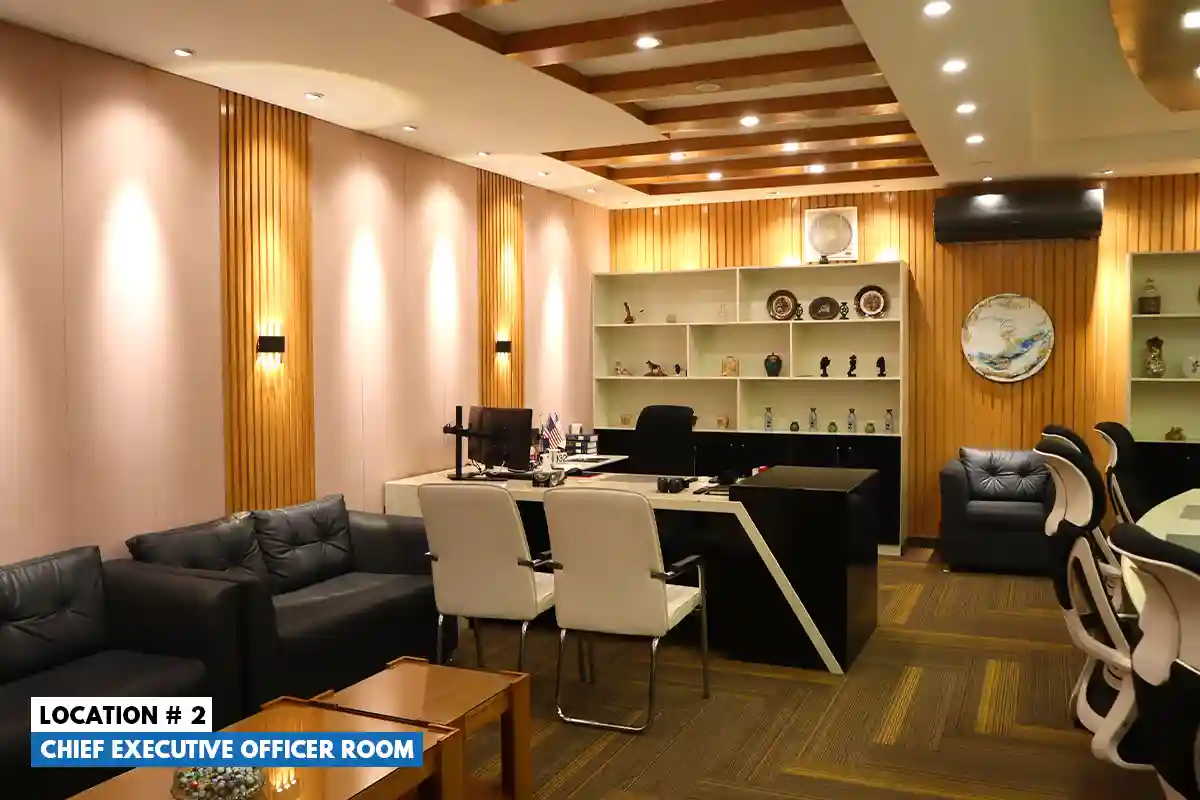
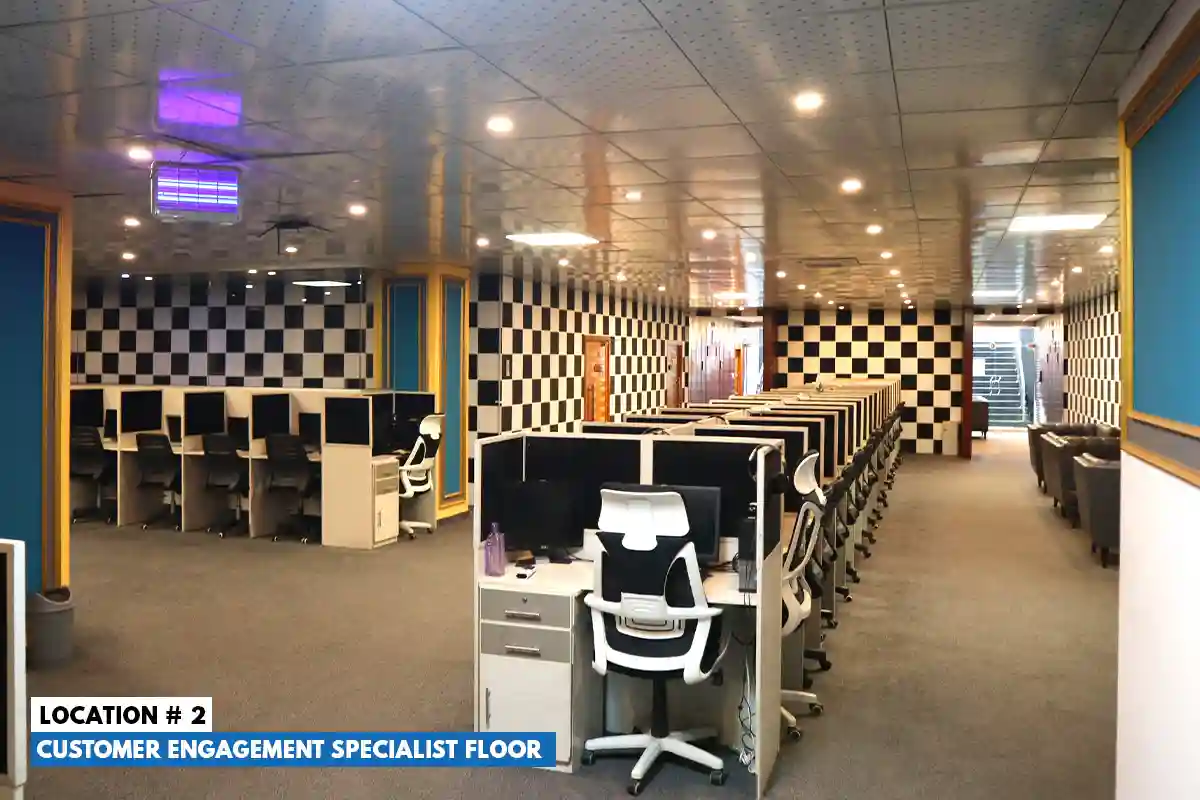
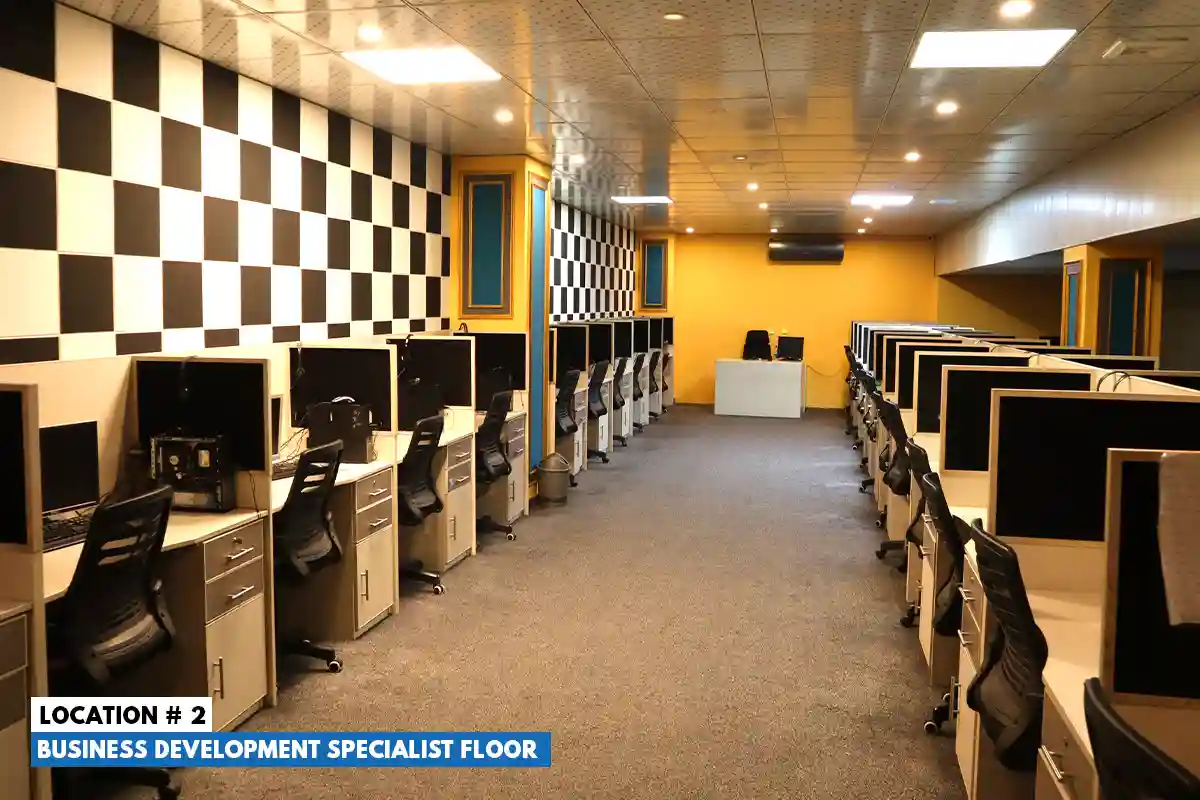
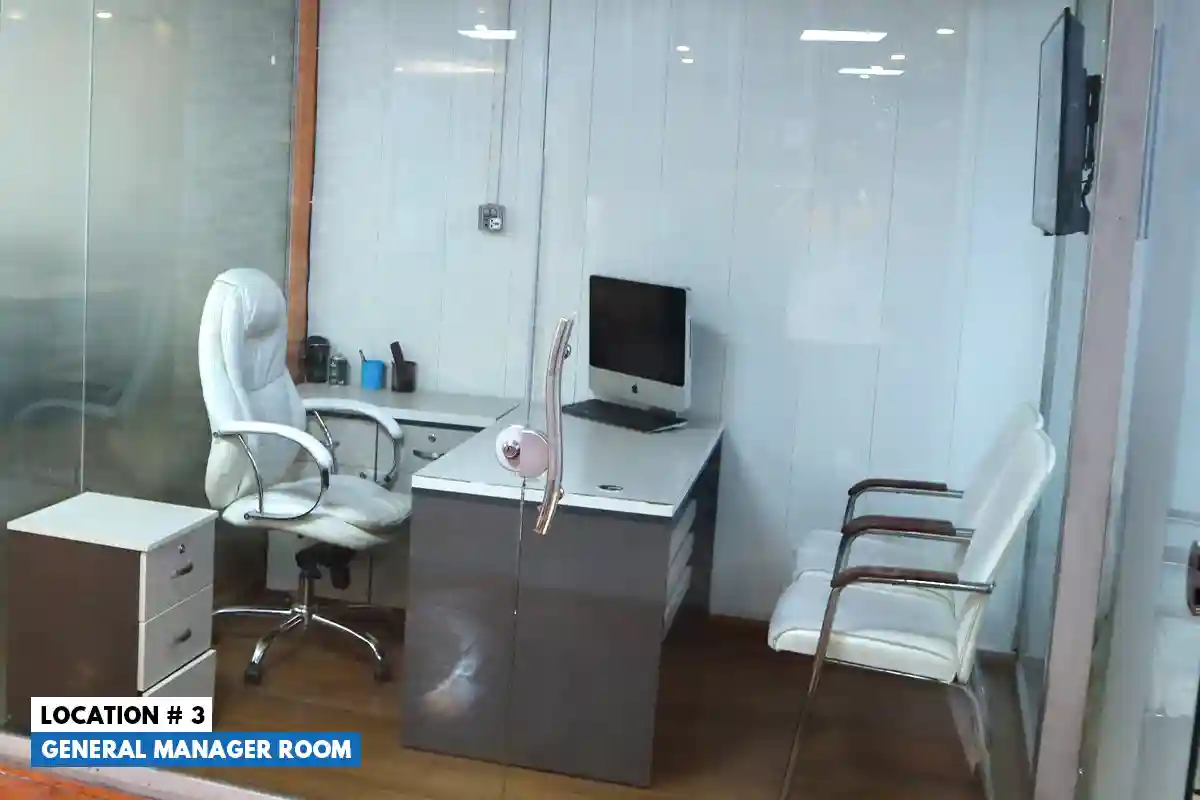
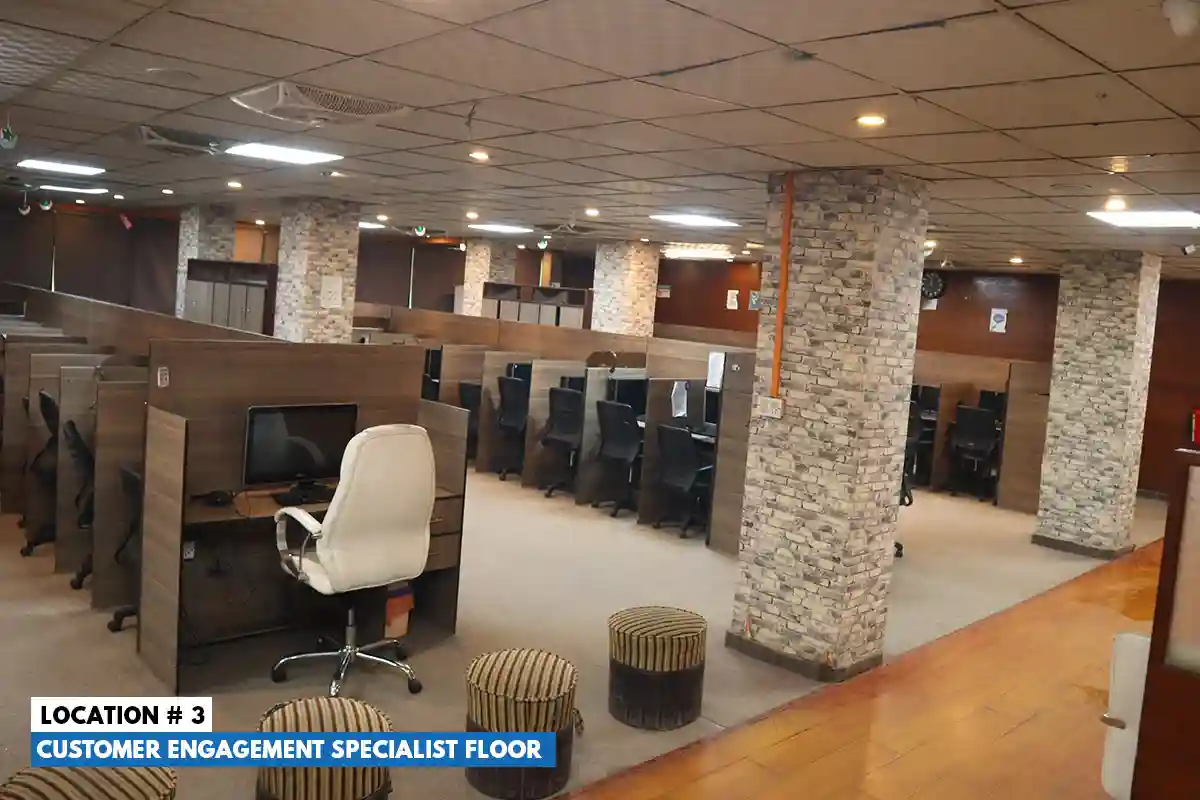
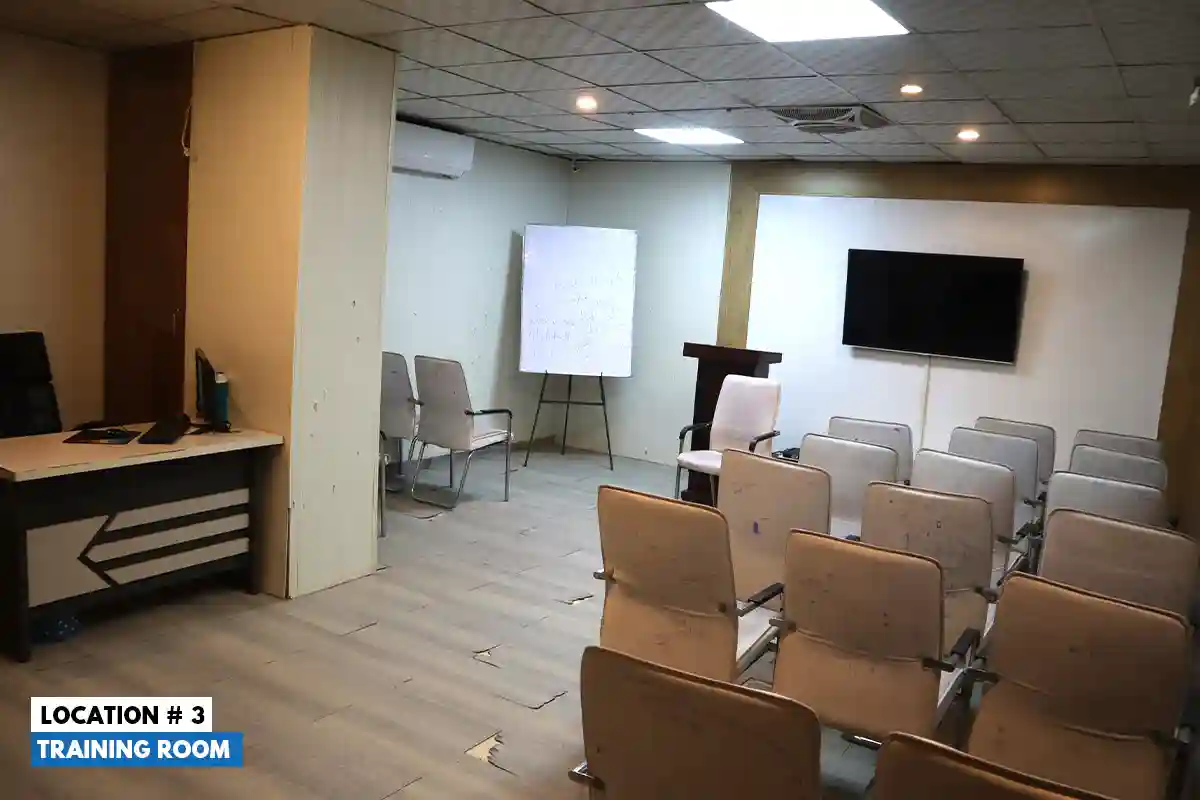




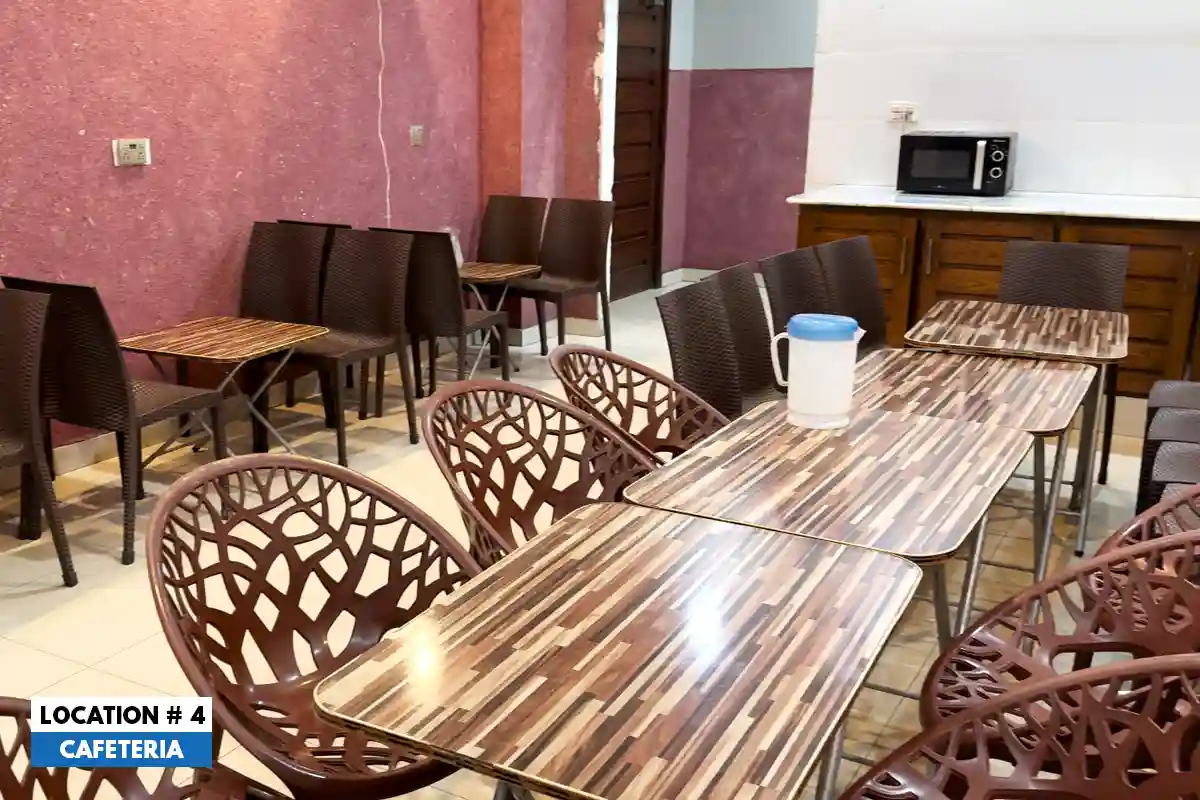
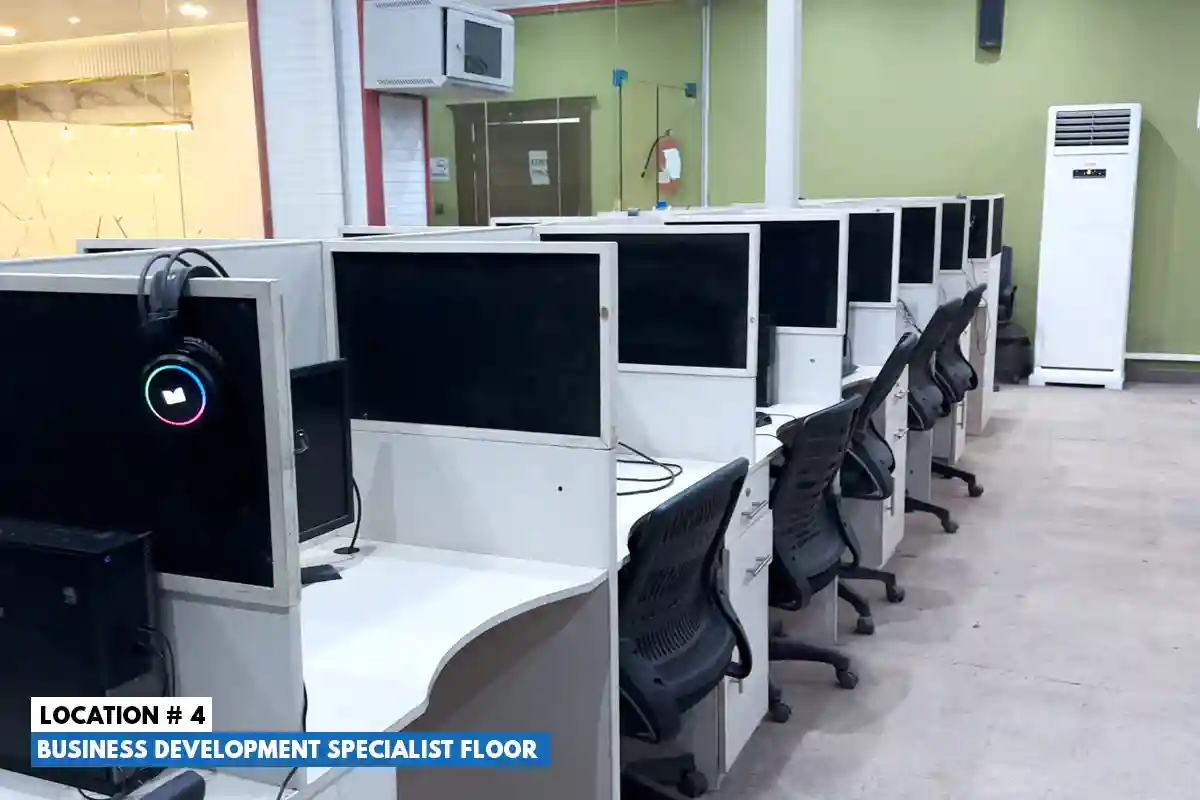
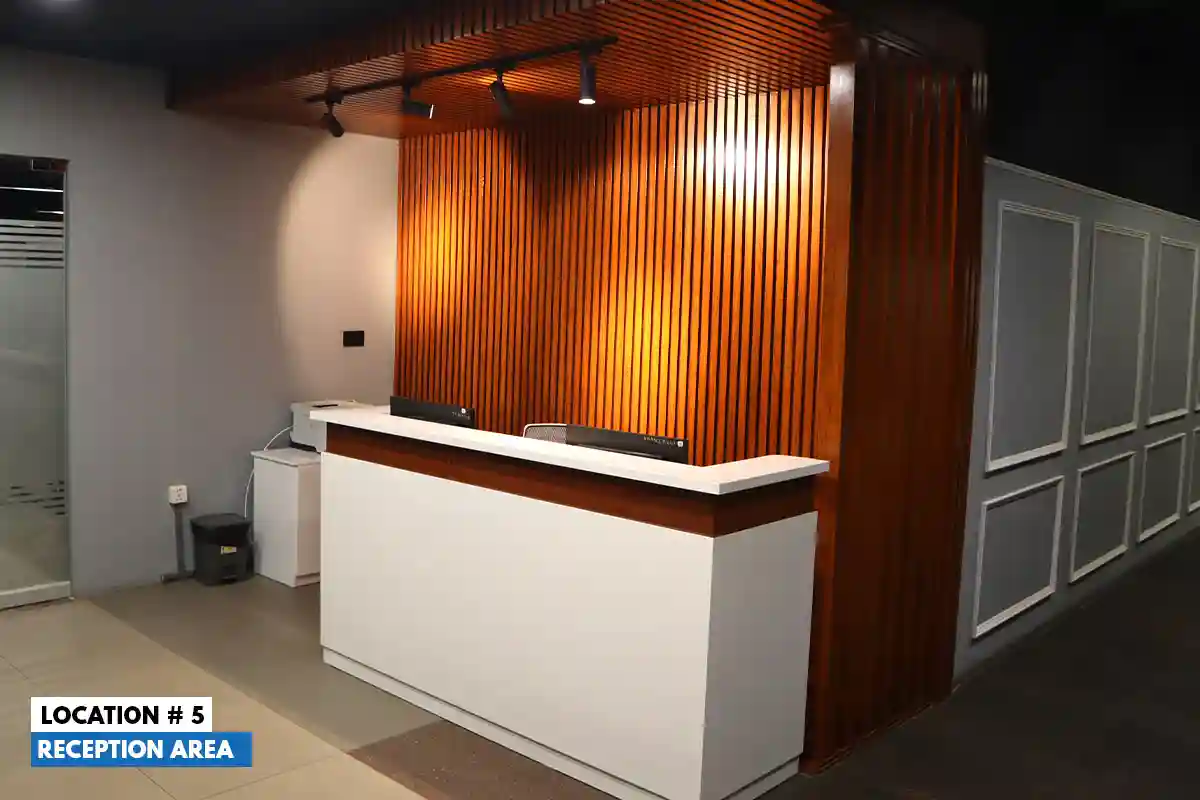
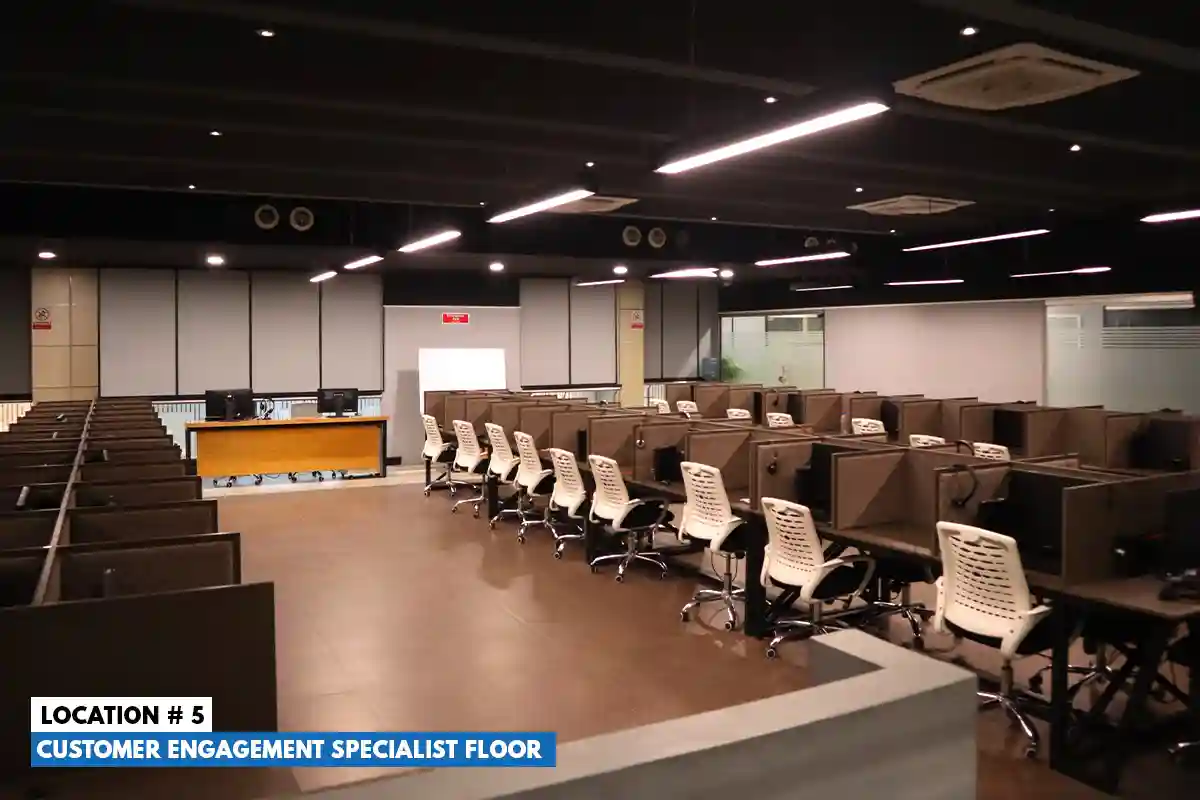
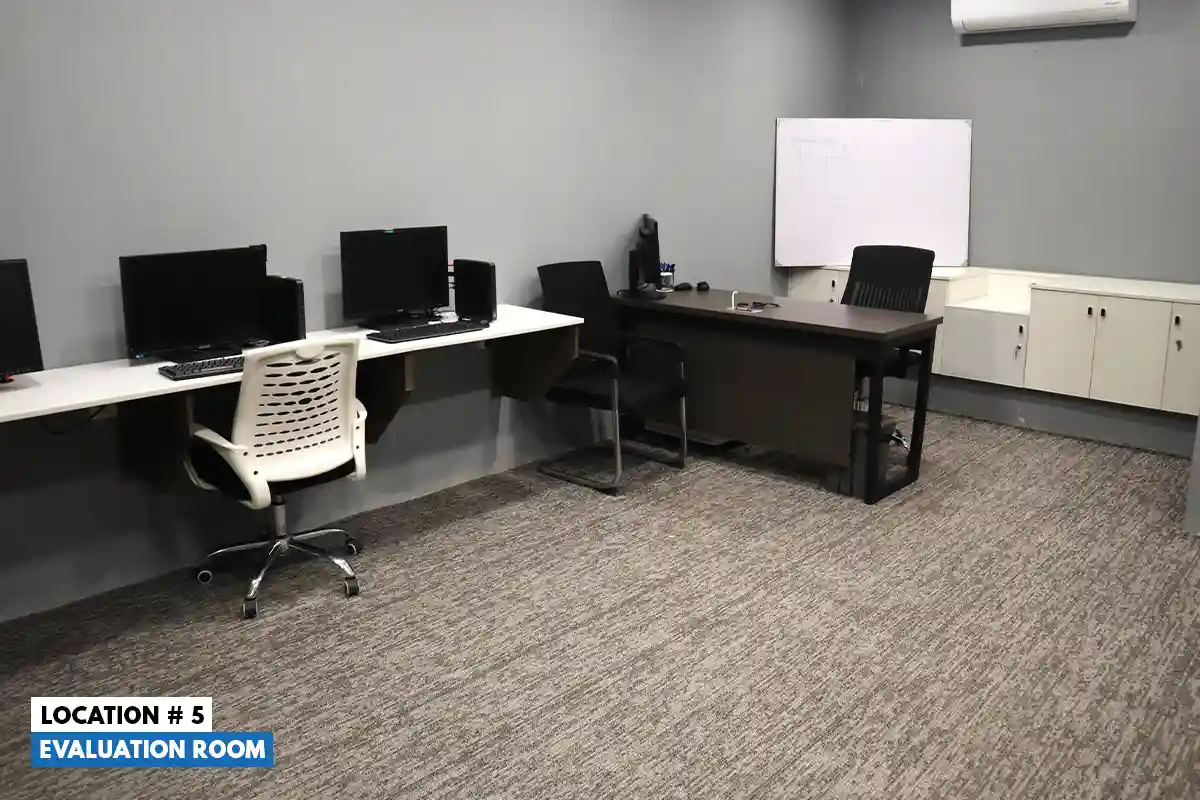
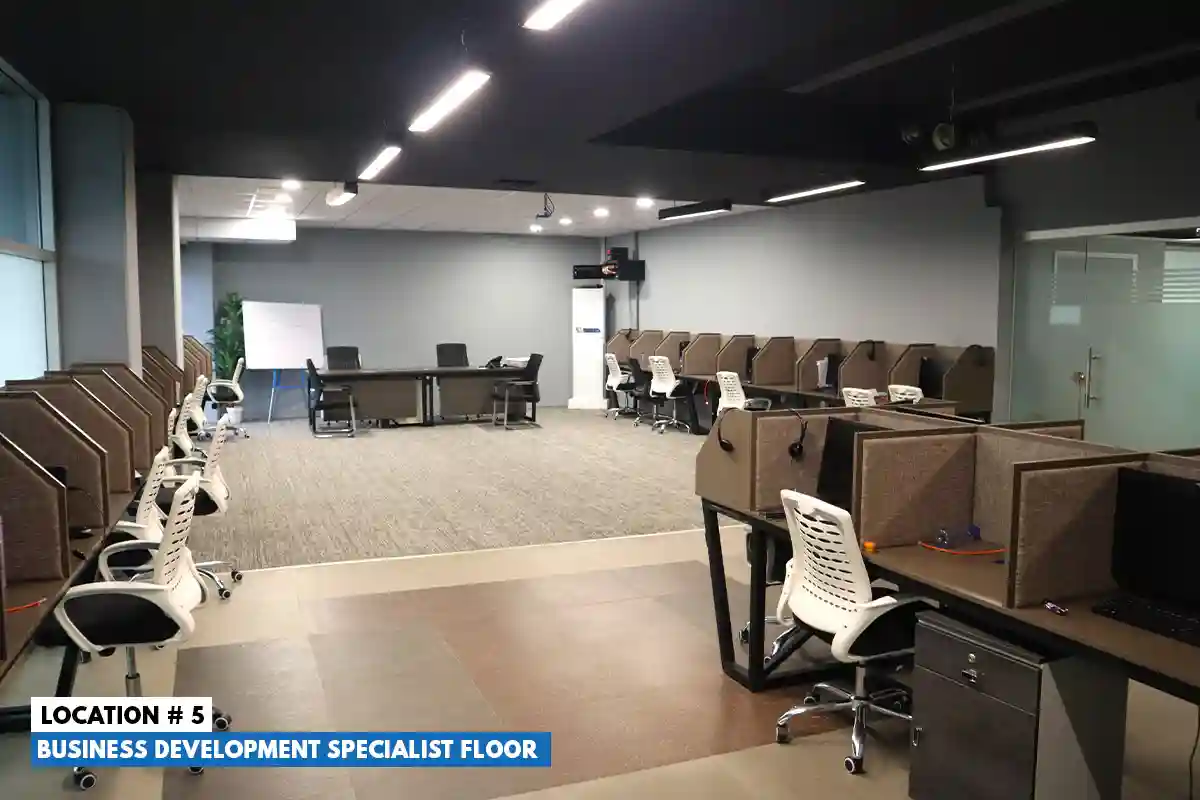
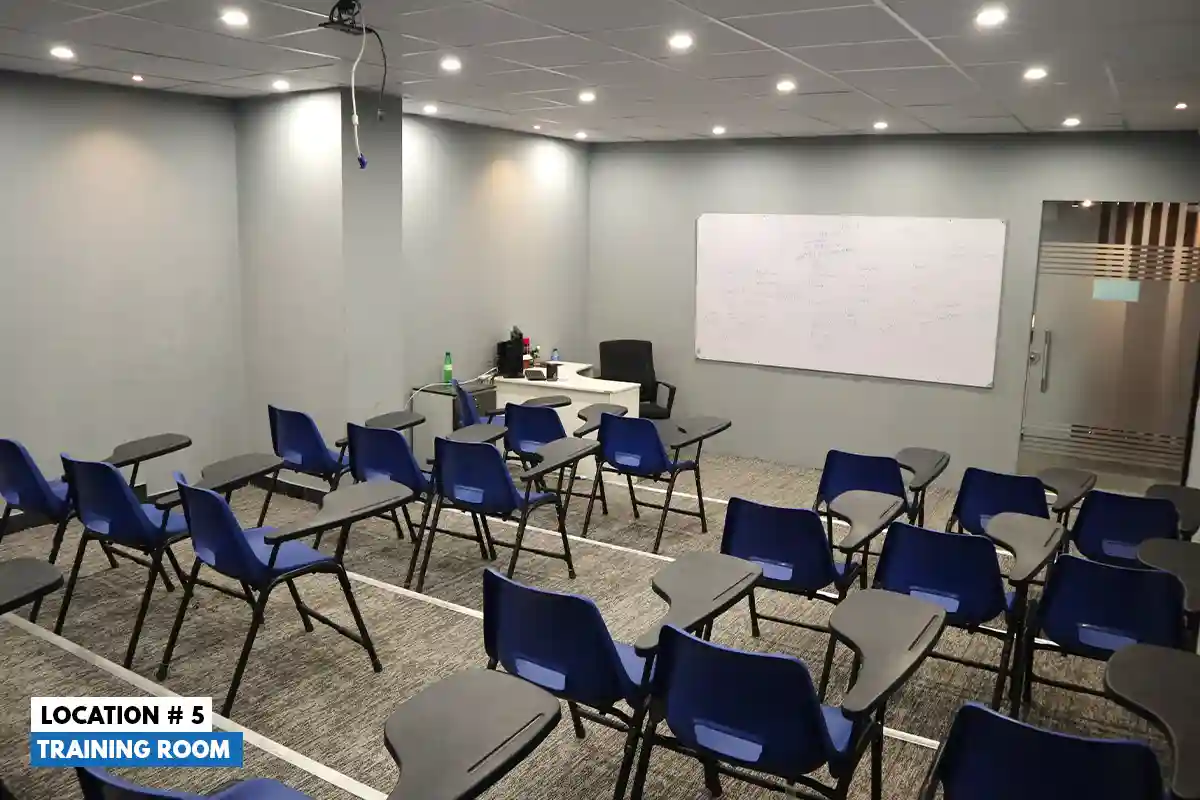
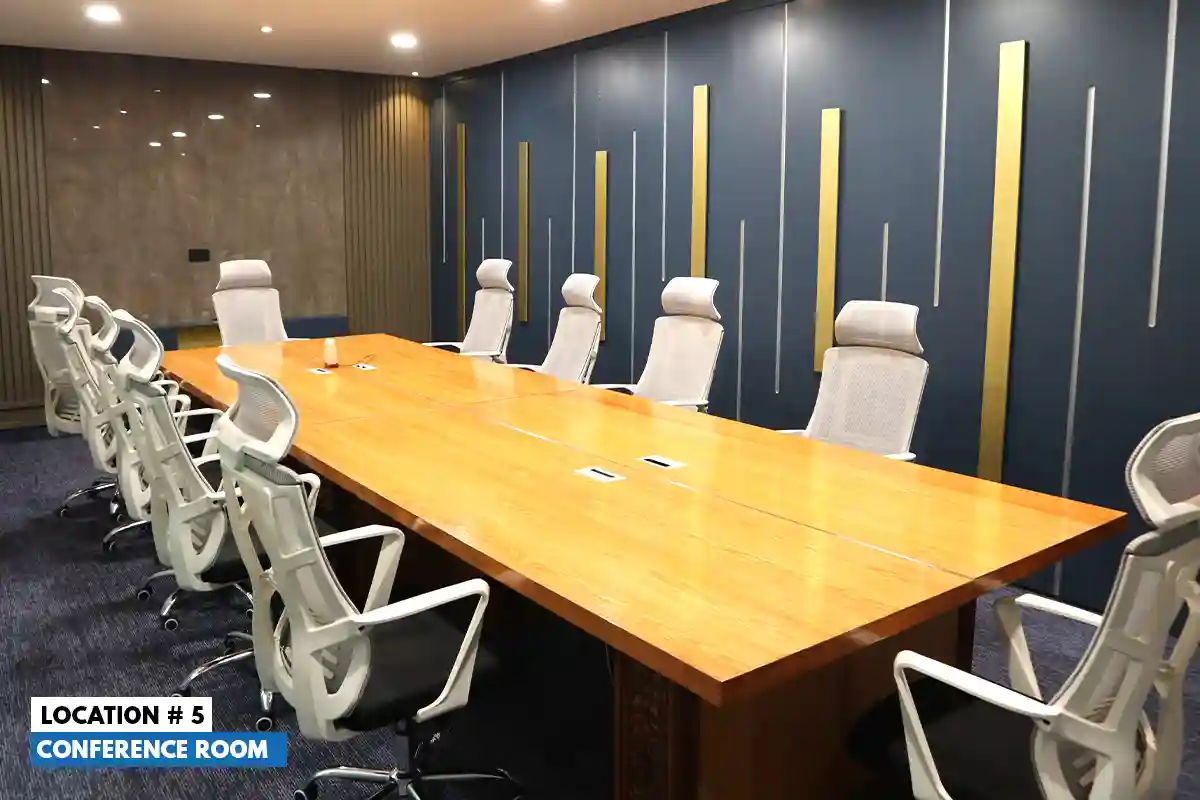
Scaling outbound calling with Prime BPO
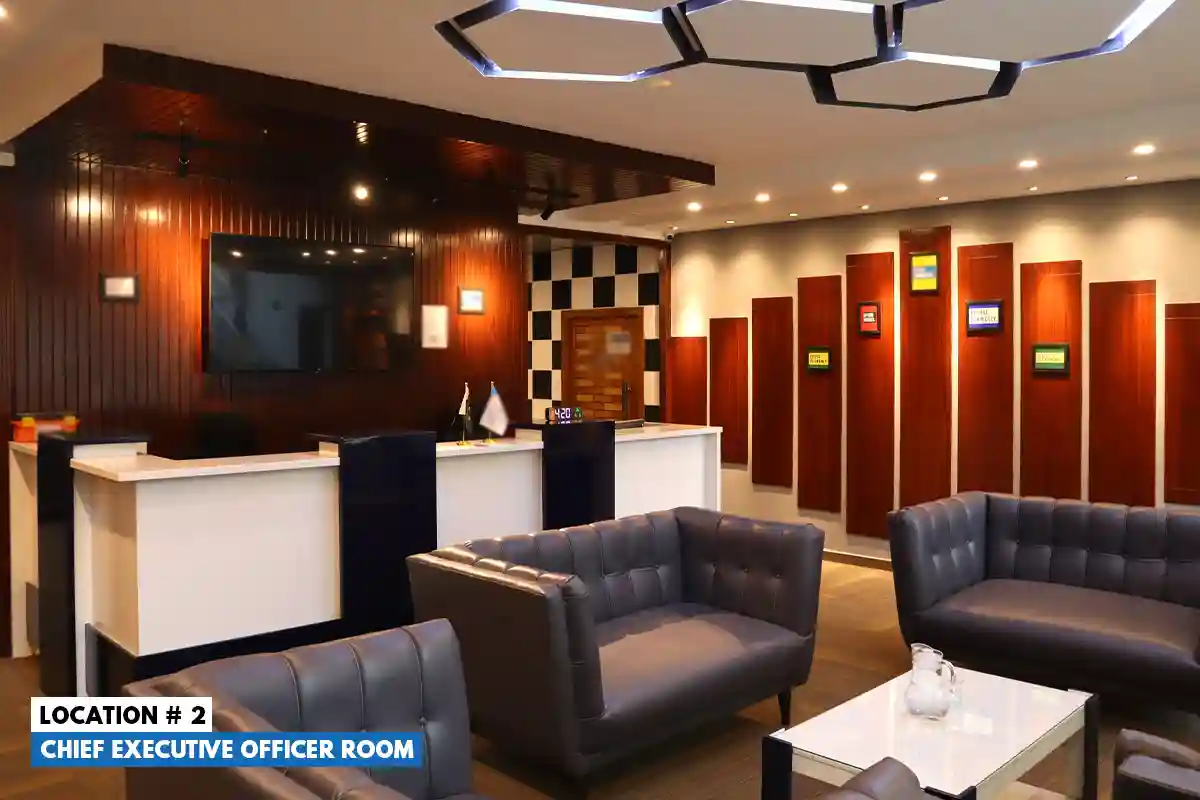
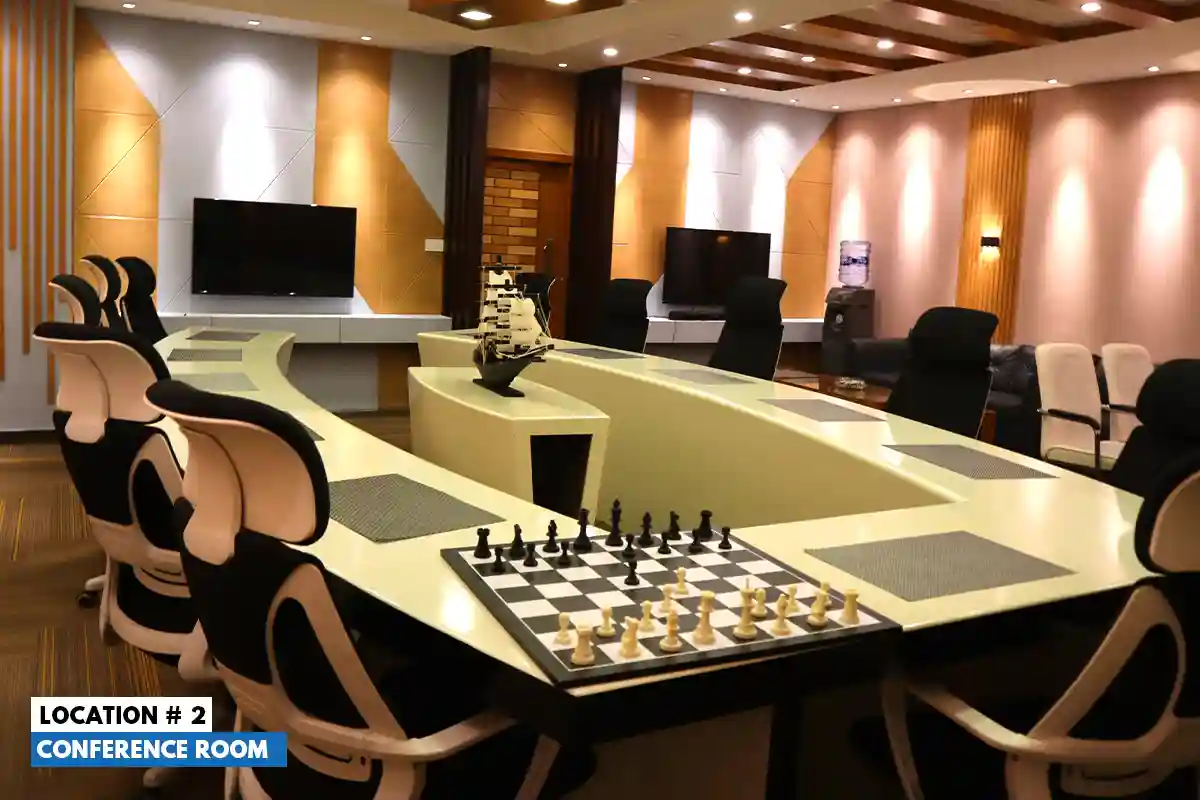
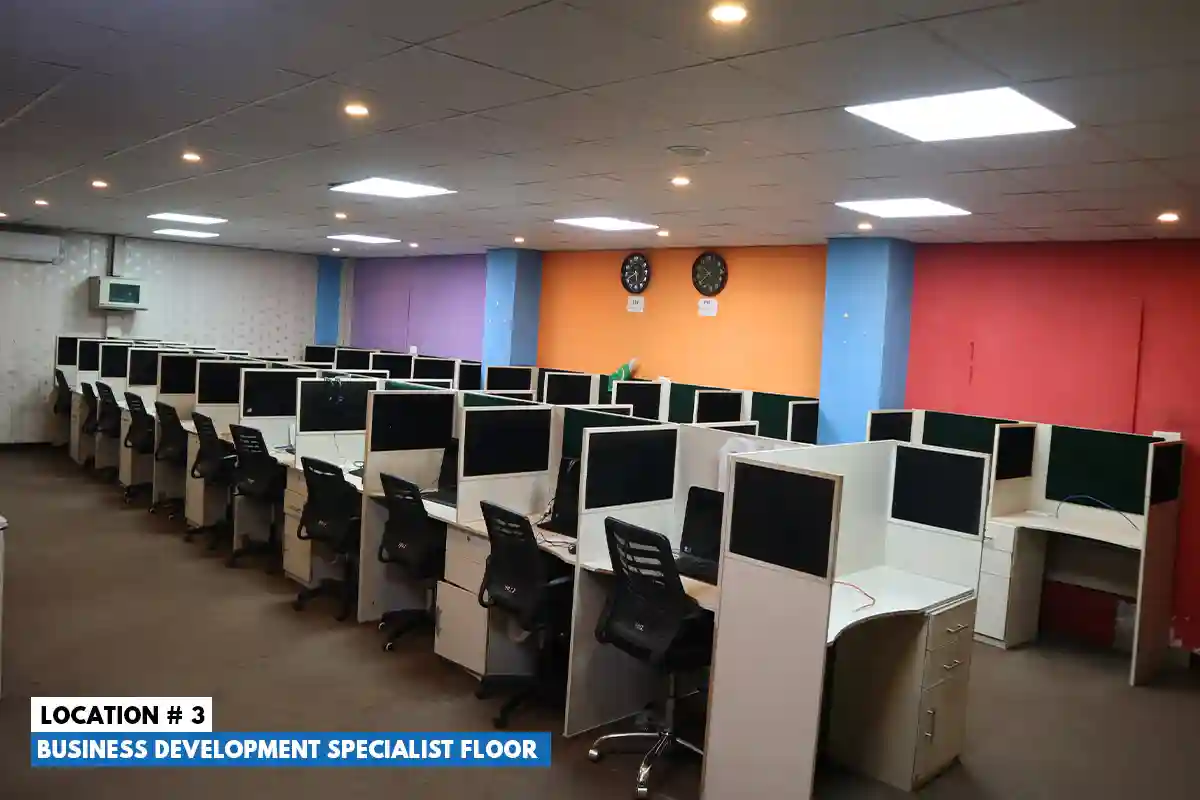
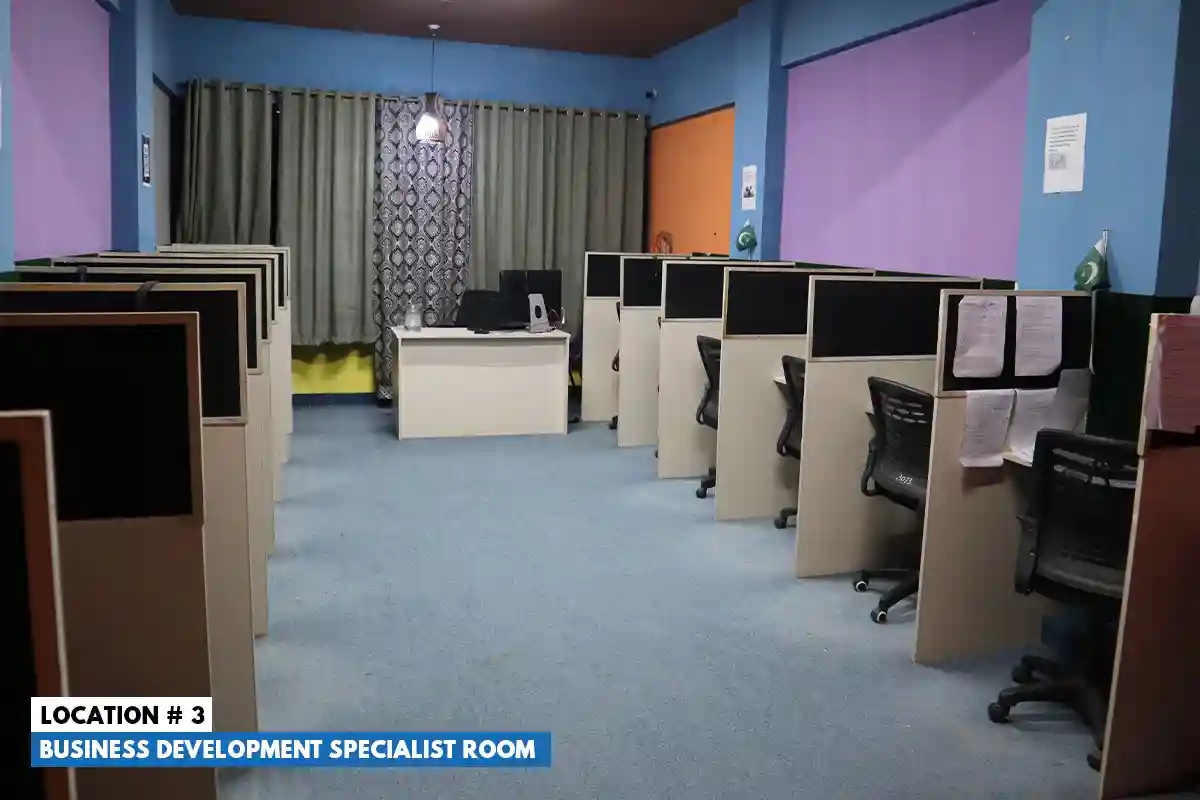
Prime BPO provides telesales and telemarketing services, lead generation, and business development support, and is certified to ISO 18295-1:2017 for customer contact centers. A practical way to start with any partner:
- Define the target: ideal customer profile, lead lists, and the next step you want booked.
- Agree on scripts and compliance: approved openers, objection responses, disclosures, and do-not-call procedures.
- Train and pilot: run a small test campaign and review call recordings together.
- Measure: track connect rates, meetings, and cost per qualified lead weekly.
- Scale what works: expand the campaign once results meet your targets.
See also cold calling lead generation and outbound telemarketing.
Conclusion
The best cold calling scripts are short, honest, and built around the prospect's problem. Use a clear five-stage structure, prepare responses to the objections you hear most, keep every call compliant, and test one change at a time. Train reps to use the script as a guide, not a speech, and review real calls regularly to keep improving.
|
Your situation |
What to do |
|
New reps nervous on calls |
Give them a five-stage script and role-play the top objections |
|
Low connect rates |
Review list quality and calling times |
|
Connects but few meetings |
Test a new opener and a clearer reason for the call |
|
Calling homeowners or consumers |
Scrub against the Do Not Call Registry and include TSR disclosures |
|
Using an autodialer to cell phones |
Confirm you have prior express consent |
|
Gatekeepers block most calls |
Be direct about who you are and ask for help finding the right person |
|
Can't hire SDRs fast enough |
Consider piloting an outsourced outbound team |
Scale Your Outbound Calling With Prime BPO
If you need more conversations and booked meetings without building a large in-house team, Prime BPO can help with trained telesales, cold calling, and lead generation support.
- Explore services: Prime BPO telesales and telemarketing
- Request a proposal: contact Prime BPO
- Call: +92-51-8733177
Frequently Asked Questions
What is a cold call script?
A cold call script is a structured guide that tells a sales rep how to open a call with a prospect who isn't expecting it, explain the reason for calling, ask discovery questions, handle objections, and ask for a next step such as a meeting. Good scripts are flexible roadmaps, not word-for-word speeches.
What is the best script for cold calling?
The best script is short, honest, and focused on the prospect's problem. A strong pattern is a permission-based opener ("Can I have 30 seconds to tell you why I called?"), a one-sentence reason tied to a common pain, two or three open questions, and a close that offers two specific meeting times. Test and refine it based on your own call results.
What are the 5 stages of cold calling?
The five stages are the opener, the reason for the call, discovery and qualification, objection handling, and the close. The opener earns attention, the reason shows relevance, discovery confirms a real need, objection handling keeps the conversation open, and the close books a specific next step.
Is B2B cold calling illegal?
No. Live B2B cold calling is legal in the U.S. Most B2B calls are exempt from much of the Telemarketing Sales Rule, but since 2024, the rule's ban on misleading statements applies to B2B calls, and calls selling nondurable office or cleaning supplies aren't exempt. Autodialed or prerecorded calls to cell phones generally need prior consent, and some state laws add their own rules.
How long should a cold call script be?
Keep the core script to about one page. The opener and reason for the call should take under 30 seconds together, and the full script should leave most of the call for the prospect to talk. Add a separate page of objection responses that reps can reference as needed.
Sources and 2026 Verification
All sources were opened and checked on November 6, 2026.
- FTC: Complying with the Telemarketing Sales Rule: B2B exemption and exceptions, required disclosures, caller ID (last modified October 8, 2026).
- Federal Register: Telemarketing Sales Rule final rule (April 16, 2024): B2B misrepresentation coverage and recordkeeping changes.
- Hunton Andrews Kurth: TSR changes for B2B calls and recordkeeping: five-year records, including scripts.
- Cornell LII: 47 CFR § 64.1200: TCPA rules on autodialed and prerecorded calls, 8 a.m. to 9 p.m. calling hours, and the National Do Not Call Registry, including wireless numbers.
- CIENCE: SDR metrics, quota, ramp, and tenure: summary of The Bridge Group's 2025 SDR research.
Note: Scripts and company names in this article are fictional examples. This is general information, not legal advice. Telemarketing laws vary by state and change over time, so review your campaigns with a qualified compliance professional.