

























An SDR or sales development representative is the person who starts most B2B sales conversations. SDRs find and contact potential buyers, qualify them and book meetings for account executives, who then run the deal and close it. Splitting the work this way lets closers spend their time selling instead of prospecting.
Quick answer: An SDR (sales development representative) is an entry-to-mid-level sales role focused on the top of the funnel: researching prospects, making cold calls, sending email and LinkedIn outreach, qualifying inbound leads and booking qualified meetings for account executives. The Bridge Group's 2025 research puts median SDR base pay at about $55,000 and on-target earnings at $80,000.
What Is an SDR in Sales?
In sales, SDR stands for sales development representative. An SDR's job is to turn names on a list, or leads that came in from marketing, into real sales conversations, then pass those qualified prospects to an account executive (AE) who handles the demo, proposal and close.
The role goes by the same name in tech sales, B2B services, and most other industries that sell to businesses. In marketing teams, SDRs are often the bridge between marketing and sales: marketing generates interest and SDRs follow up quickly to find out who is actually ready to talk.
SDR meaning in sales and its business function
The SDR sits at the very start of the B2B sales pipeline. A simple view of where the role fits:
Marketing SDR Account executive Customer success
(awareness, -> (prospect, qualify, -> (discovery, demo, -> (onboarding,
leads, MQLs) book the meeting) proposal, close) renewal, expansion)
SDRs don't usually close deals or negotiate pricing. Their main output is a qualified meeting: a conversation with the right person at a company that has a real need and could plausibly buy.

Why companies separate prospecting from closing
B2B purchases are complex. Gartner reports that a typical complex B2B purchase involves six to 10 decision makers, and that buyers spend only about 17% of their purchase time meeting with potential suppliers. Finding and reaching the right people takes a lot of research and repeated outreach, which is time an account executive can't spend on live deals.
Specializing the work has three benefits:
- More selling time for closers: AEs focus on deals already in motion.
- Consistent pipeline: SDRs work prospecting every day instead of only when an AE's pipeline runs dry.
- A talent pipeline: many companies promote SDRs into AE roles. In the Bridge Group's 2025 data, promotions accounted for 16 percentage points of the 40% median annual SDR attrition.
What is SDR in CIA terms?
Outside of sales, SDR has a different meaning in intelligence tradecraft. There it usually stands for surveillance detection route: a planned, often hours-long route an intelligence officer travels to find out whether they're being followed before a sensitive meeting. Spyscape, citing former CIA officers, describes SDRs as "usually at least one to two hours long." The two meanings are unrelated; in a business or job-search context, SDR almost always means sales development representative.
What Does an SDR Do? Responsibilities and the SDR Sales Process
An SDR spends most of the day on four things: researching target accounts, reaching out across phone, email, and LinkedIn, qualifying the people who respond, and booking meetings for account executives. Everything is tracked in the CRM so the team can see what's working.
Daily SDR responsibilities
A typical SDR job description includes:
- Prospecting and research: building lists of target accounts and contacts that match the company's ideal customer profile.
- Cold calling: outbound calls to decision makers, often in focused calling blocks.
- Email outreach: personalized email sequences, usually several touches over two to four weeks.
- Social selling: connecting and messaging on LinkedIn; some teams also use short personalized videos.
- Inbound lead qualification: responding quickly to demo requests and marketing leads to see if they're a fit.
- Appointment setting: booking discovery meetings and handing context to the AE.
- CRM hygiene: logging calls, emails, notes, and next steps.
An example daily cadence:
8:30 Research accounts and personalize the day's emails
9:30 Calling block 1
11:00 Follow-up emails, LinkedIn touches, inbound lead responses
12:00 Lunch
1:00 Calling block 2
2:30 Prep and hand-off notes for meetings booked
3:30 Team coaching, call reviews, or training
4:30 CRM updates and tomorrow's list
Schedules vary by team, territory, and time zone; outbound teams calling U.S. buyers often plan blocks around their prospects' local time.

Inbound vs. outbound SDR work
Inbound SDRs work leads who have already raised their hand: a form fill, a demo request, a webinar sign-up, or a marketing-qualified lead (MQL). Speed matters, because interest fades quickly. Outbound SDRs target accounts that haven't engaged yet, using cold calls, email sequences, and social outreach to start conversations. Many teams split SDRs by inbound and outbound, while smaller teams have each rep do both. See our guide to inbound vs outbound lead generation.
Lead qualification frameworks SDRs use
SDRs qualify leads so AEs spend time only on real opportunities. The most common frameworks:
|
Framework |
Stands for |
Best used for |
|
BANT |
Budget, Authority, Need, Timeline |
Quick first-call qualification for transactional or mid-size deals |
|
CHAMP |
Challenges, Authority, Money, Prioritization |
Starting with the buyer's problem instead of budget |
|
MEDDPICC |
Metrics, Economic buyer, Decision criteria, Decision process, Paper process, Identify pain, Champion, Competition |
Complex enterprise deals; SDRs usually capture the early pieces (pain, champion, metrics) and AEs complete the rest |
Most SDR teams use a light version: confirm the pain or need, confirm the person can influence or make the decision, and confirm there's a reason to act in the near term.

SDR team structure and the SDR manager
An SDR team usually reports to an SDR manager (or sales development manager), who hires, coaches, sets activity and meeting targets, reviews calls, and works with sales and marketing leaders on targeting. Larger organizations add team leads, sales development operations, and enablement. SDRs are often aligned to specific AEs or territories, so hand-offs are consistent. Bridge Group's 2025 research lists a median monthly quota of 10 meetings held per SDR, and reports that 60% of SDRs reached quota, the lowest share in its series.
SDR responsibilities and the metrics behind them
|
Responsibility |
Key tasks |
Typical metric |
Impact on revenue |
|
Prospecting |
List building, account research |
Accounts and contacts researched |
Determines who enters the pipeline |
|
Outreach |
Calls, emails, LinkedIn, video |
Activities per day, connect rate, reply rate |
Creates conversations |
|
Qualification |
BANT, CHAMP, or MEDDPICC questions |
Lead-to-meeting conversion |
Keeps AE time focused on real buyers |
|
Appointment setting |
Booking and confirming meetings |
Meetings booked and held per month |
The SDR's core output |
|
Hand-off |
Notes and context for the AE |
Meeting-to-opportunity rate |
Shortens discovery and improves win rates |
|
Pipeline contribution |
Attribution in the CRM |
Pipeline value sourced |
Shows the SDR team's return |
For more on running outbound teams, see our guides to cold calling lead generation and professional lead generation and appointment setting.
Get Free Quotes
Customized Options Await
SDR vs. BDR vs. Account Executive
SDRs and BDRs prospect and qualify; account executives close. The exact line between SDR and BDR varies by company, but the hand-off to the AE usually happens once a qualified meeting is booked.
Prospectors vs. closers
The SDR's work ends where the AE's begins: at the first qualified meeting or discovery call. From there, the AE runs discovery, demos, proposals, negotiation, and close. Keeping these stages separate lets each person get very good at one part of the process.
SDR vs. BDR
The two titles overlap, and many companies use them interchangeably. When companies do distinguish them, the common pattern is:
- SDR: often handles inbound leads and qualification, sometimes plus outbound.
- BDR (business development representative): usually focused on outbound prospecting into target accounts that haven't engaged yet.
RepVue's data, published by The Quota in January 2026, groups the two roles together, with a median base of $60,000 and median OTE of $85,000. Read more in our business development representative guide.
Why specialization lowers acquisition cost
When SDRs handle prospecting, AEs, who are paid much more, spend their time on deals instead of list building and cold outreach. RepVue's 2026 figures show median AE OTE of $130,000 for SMB, $175,000 for mid-market, and $265,000 for enterprise, compared with $85,000 for SDRs and BDRs. Having a lower-cost role generate meetings and a higher-cost role close to them generally lowers the cost of each new customer, as long as the SDR team produces meetings that actually convert.
How the sales roles compare
|
Role |
Primary focus |
Main deliverable |
Typical hand-off point |
Median base / OTE (RepVue, 2026) |
|
SDR |
Inbound qualification and outbound prospecting |
Qualified meetings |
After the first qualified meeting is booked |
$60,000 / $85,000 (with BDRs) |
|
BDR |
Outbound prospecting into target accounts |
Qualified meetings and new conversations |
Same as SDR |
$60,000 / $85,000 (with SDRs) |
|
SMB account executive |
Discovery, demo, close for smaller deals |
Closed revenue |
Owns the deal through close |
$70,000 / $130,000 |
|
Mid-market account executive |
Larger deals and longer cycles |
Closed revenue |
Same |
$90,000 / $175,000 |
|
Enterprise account executive |
Complex, multi-stakeholder deals |
Closed revenue |
Same |
$135,000 / $265,000 |
For a full comparison of the two prospecting roles, see our SDR vs BDR guide.

Get Free Quotes
Customized Options Await
AI SDR Tools vs. Human SDRs
An AI SDR is software that automates parts of the sales development job, such as researching prospects, writing and sending outreach, and scoring leads. AI tools can handle volume and repetitive work, but most B2B teams still rely on people for live conversations, objection handling, and judgment on complex deals.
What is an AI SDR agent?
An AI SDR agent, or AI SDR tool, is a software system that performs some SDR tasks on its own or with light supervision. Common capabilities:
- Prospect research: pulling company and contact data and summarizing why an account might be a fit.
- AI-written outreach: drafting personalized cold emails and LinkedIn messages at scale.
- Automated sequencing: sending follow-ups on a schedule and stopping when someone replies.
- Intent and lead scoring: ranking accounts by signals such as website visits, hiring, or funding news.
- Inbox handling: sorting replies and suggesting or sending responses for simple questions.
- Meeting booking: offering calendar slots to interested prospects.
What AI SDRs do well, and where they fall short
AI tools are strongest at speed, consistency, and volume. They can research hundreds of accounts quickly, keep sequences running without gaps, and log every touch automatically. Their weak points are the parts of the job that depend on judgment and trust:
- Live conversations: handling a cold call, reading tone, and responding to objections in real time.
- Complex qualification: understanding a buyer's politics, budget cycle, and real priority.
- Relationship building: earning trust with senior buyers over several conversations.
- Brand and compliance risk: poorly targeted or inaccurate automated messages can damage your reputation, and email and calling must still follow rules such as CAN-SPAM and telemarketing laws.
- Data quality: AI outreach is only as good as the contact data and targeting behind it.
Note: Sending more automated email doesn't automatically mean more pipeline. Track meetings held and pipeline created, not just messages sent, when you evaluate an AI SDR tool.
The hybrid model: AI plus human SDRs
Many teams now combine both. AI handles research, list building, first drafts of messages, sequencing, and data entry; human SDRs make calls, personalize high-value outreach, handle replies that need judgment, and run qualification conversations. This lets each SDR cover more accounts without losing the human touch where it matters most. Read more about the role of AI in modern lead generation.
In-house SDRs vs. AI SDR tools vs. outsourced SDR teams
|
Dimension |
In-house SDR team |
AI SDR tool |
Outsourced SDR team |
|
Time to start |
Months to hire and ramp (Bridge Group: 3.0-month average ramp) |
Days to weeks to set up |
Typically faster than hiring; depends on the provider |
|
Live phone conversations |
Yes |
Limited |
Yes |
|
Volume and consistency |
Limited by headcount |
High |
Scales with team size |
|
Judgment and objection handling |
Strong once trained |
Weak |
Strong with trained, managed reps |
|
Management burden |
High: hiring, coaching, turnover |
Setup and monitoring |
Shared with the provider |
|
Cost structure |
Salary, benefits, tools, management |
Software subscription |
Monthly service fee |
|
Best for |
Core, long-term sales development |
Research, sequencing, and scale |
Fast scaling, new markets, or testing outbound |
The best approach is often a mix: AI tools for research and automation, with human SDRs, in-house or outsourced, for conversations and qualification.
SDR Pay, Job Difficulty, and When to Outsource
In the U.S., SDRs typically earn a base salary in the mid-$50,000s to $60,000 and on-target earnings of about $80,000 to $85,000, with the rest paid as commission or bonuses tied to meetings and pipeline. The job is demanding, and the full cost of an in-house SDR to an employer is well above salary alone.
How much does an SDR earn?
Two 2026 benchmarks for U.S. SDR pay:
|
Source |
Median base |
Median OTE |
Notes |
|
The Bridge Group, 2025 SDR research (351 B2B companies) |
About $55,000 |
$80,000 |
Roughly a 68:32 base-to-variable split |
|
RepVue via The Quota (January 2026) |
$60,000 |
$85,000 |
SDR and BDR combined |
Variable pay is usually tied to meetings held, qualified opportunities, or pipeline created. Pay is higher in major metros and in tech sales than in other industries. In outsourced and offshore BPO models, rep pay follows local labor markets, which is one reason outsourcing can cost less.
Is SDR the hardest sales job?
Many salespeople describe it that way because the job is built around rejection. SDRs make many calls and send many emails for every conversation, most prospects say no or don't respond, and targets reset every month. Bridge Group's 2025 data shows 60% of SDRs at quota and average tenure of 1.9 years, which reflects how quickly people move on or up.
What helps SDRs succeed and avoid burnout:
- Clear targeting, so outreach goes to accounts that actually fit
- Good scripts, talk tracks, and objection-handling training
- Regular call coaching and recognition of wins
- Realistic activity goals tied to meetings, not just dials
- A visible path to an AE or other role
The real cost of an in-house SDR
The cost of an in-house SDR includes much more than OTE: benefits and payroll taxes, the sales tech stack, management time, recruiting, and the months before a new rep is productive. A rough, illustrative estimate:
OTE (Bridge Group median) ......................... $80,000
Benefits and payroll costs (benefits are about 30% of
total compensation costs in BLS data) ............ about $34,000
Total compensation cost ........................... about $114,000 a year
Plus: tools (CRM, sales engagement, data), a share of a
manager's time, recruiting and about 3 months of ramp,
repeated each time a rep leaves (average tenure 1.9 years)
These figures are illustrative; actual costs depend on location, benefits and tools.
In-house vs. outsourced sales development services
Outsourcing makes the most sense when you need to start quickly, test outbound in a new market, add capacity without hiring or avoid the cost of rebuilding a team every time reps leave. An in-house team makes more sense when the product needs deep, specialized knowledge that takes a long time to learn, or when sales development is a core long-term capability you want to own.
|
Factor |
In-house SDR team |
Outsourced SDR team |
|
Speed to launch |
Slower: hiring plus ramp |
Typically faster |
|
Fixed cost |
Salaries, benefits, tools |
Monthly service fee |
|
Hiring and turnover risk |
Yours |
Largely the provider's |
|
Control and product depth |
Highest |
Shared; depends on training and communication |
|
Scaling up or down |
Slow |
More flexible |
See our guides to outsourcing lead generation and sales outsourcing companies.
How to scale qualified pipeline with Prime BPO
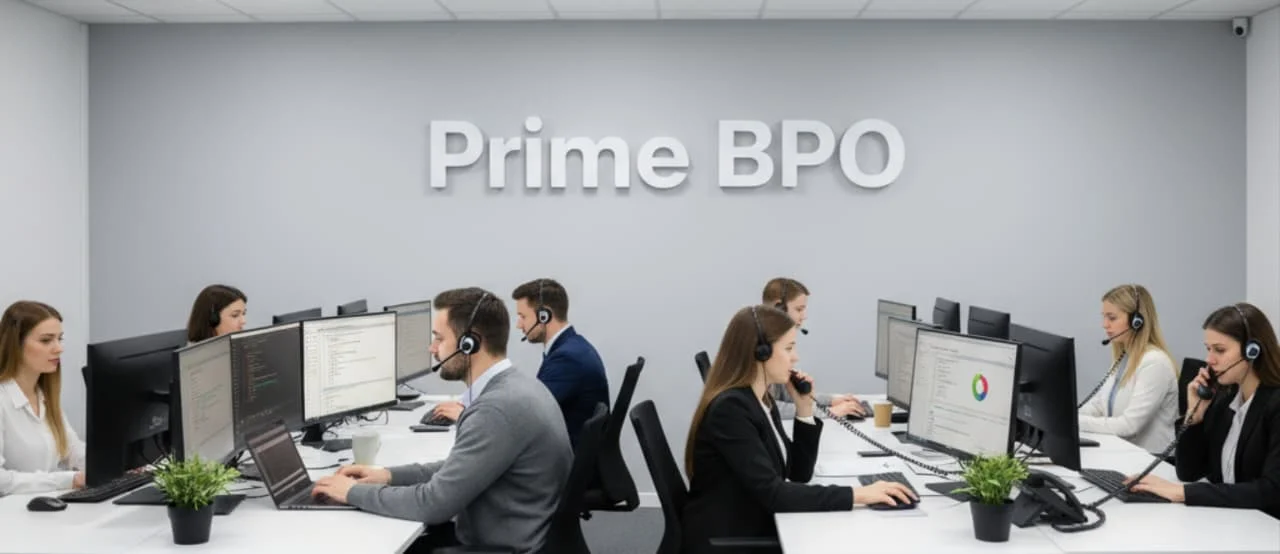
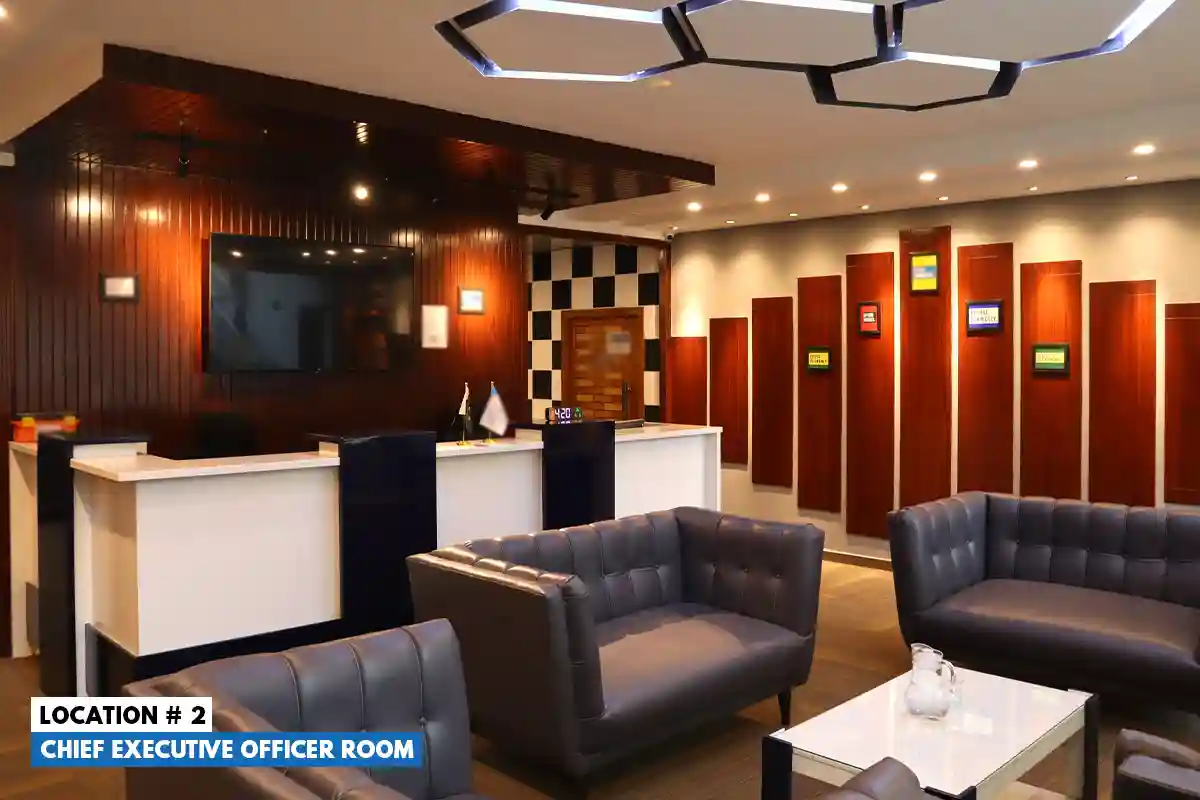
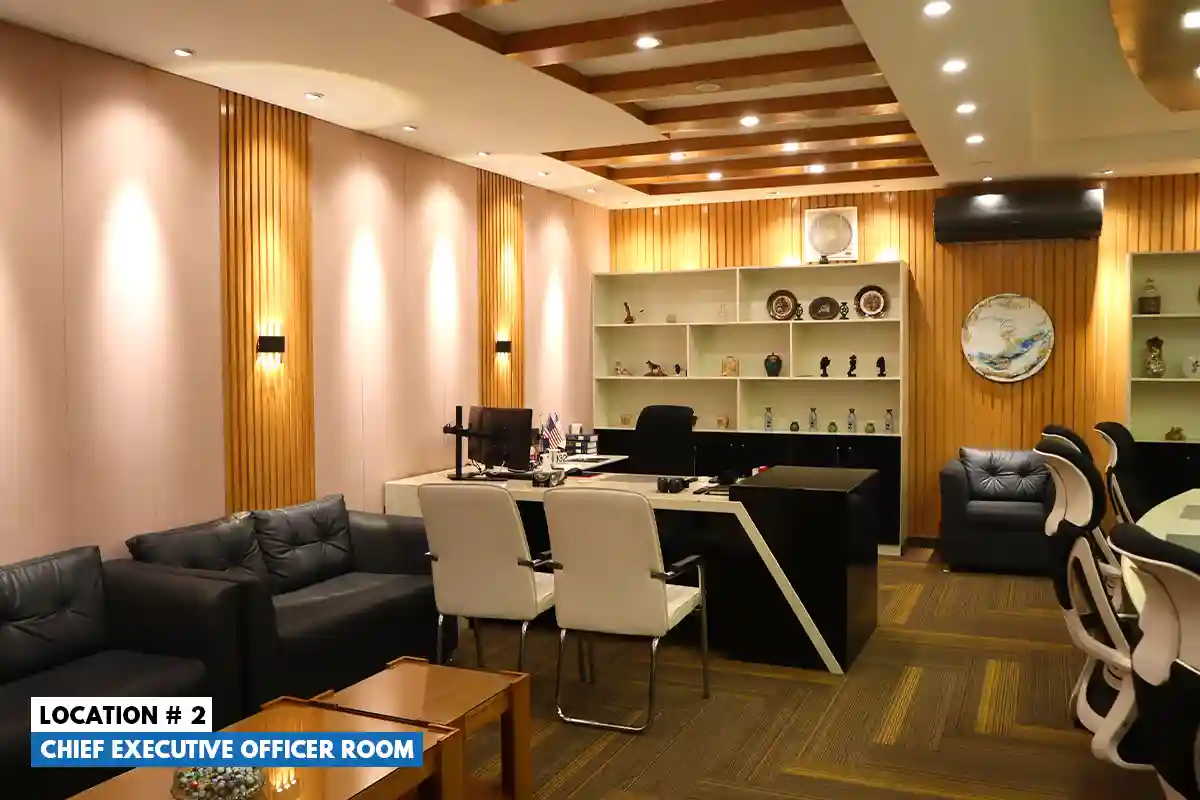
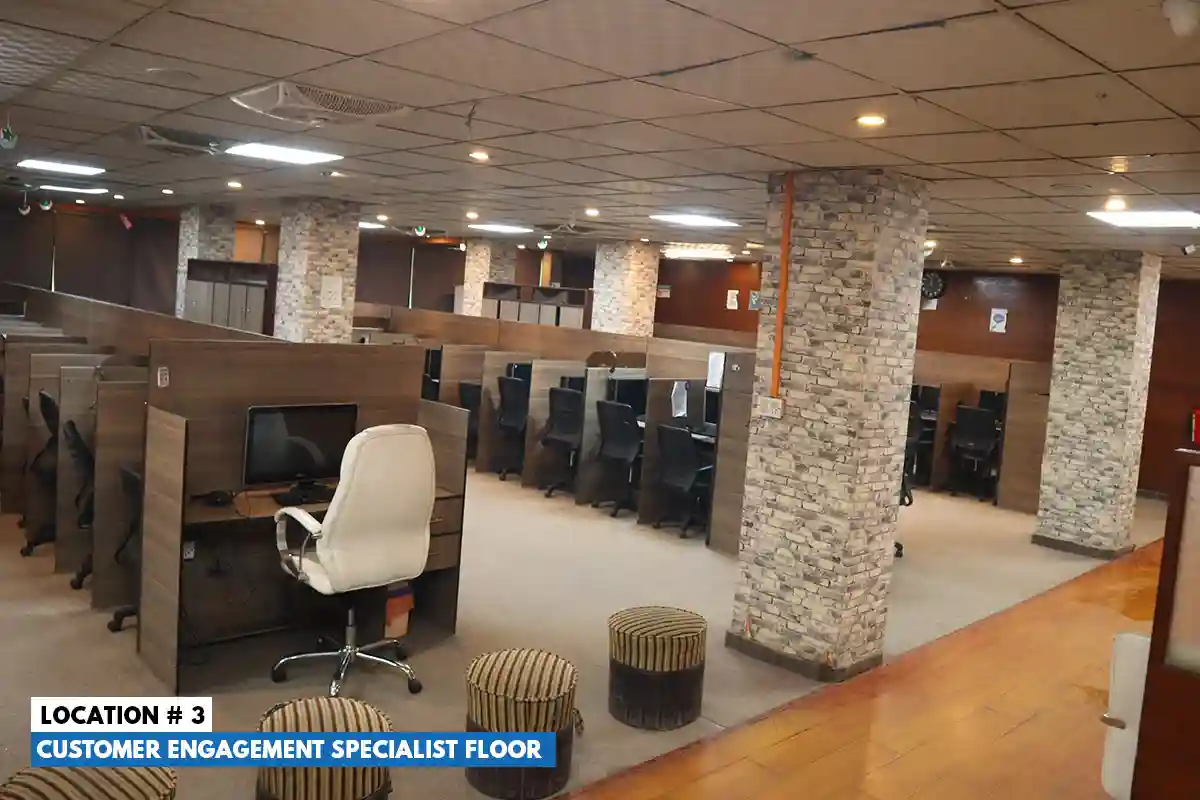
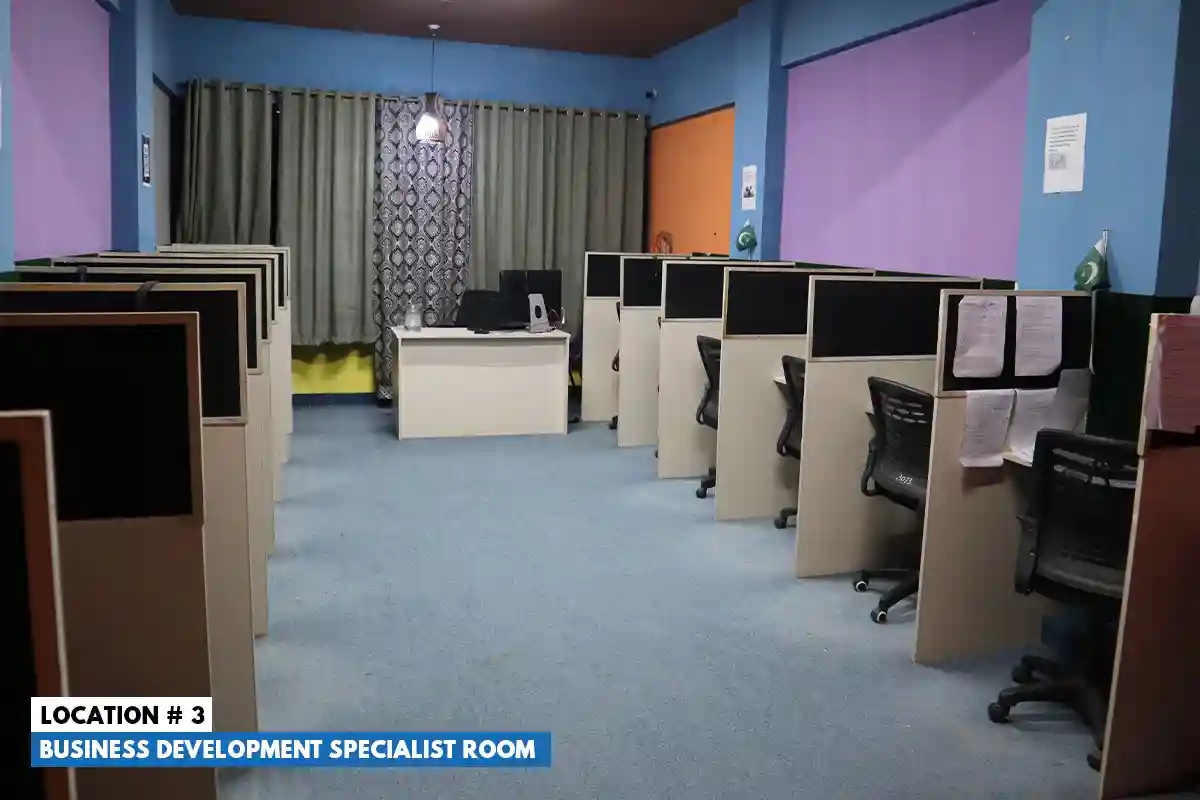
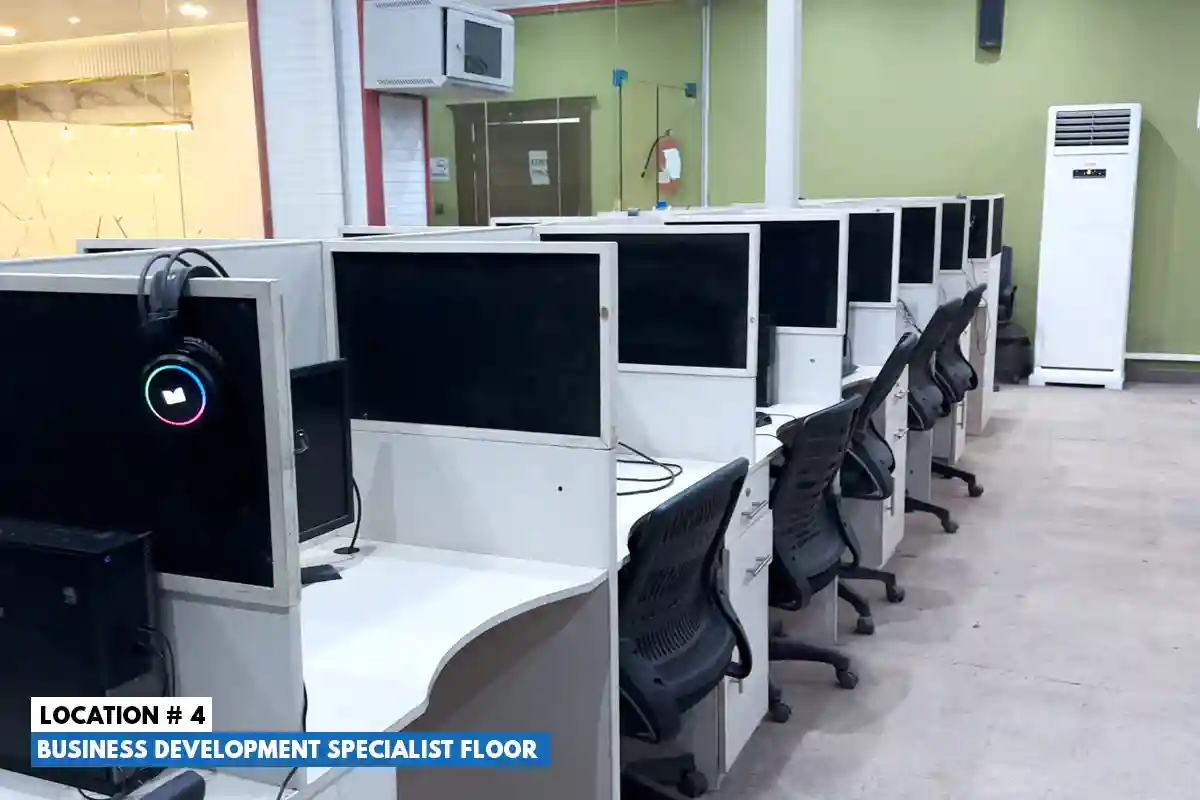
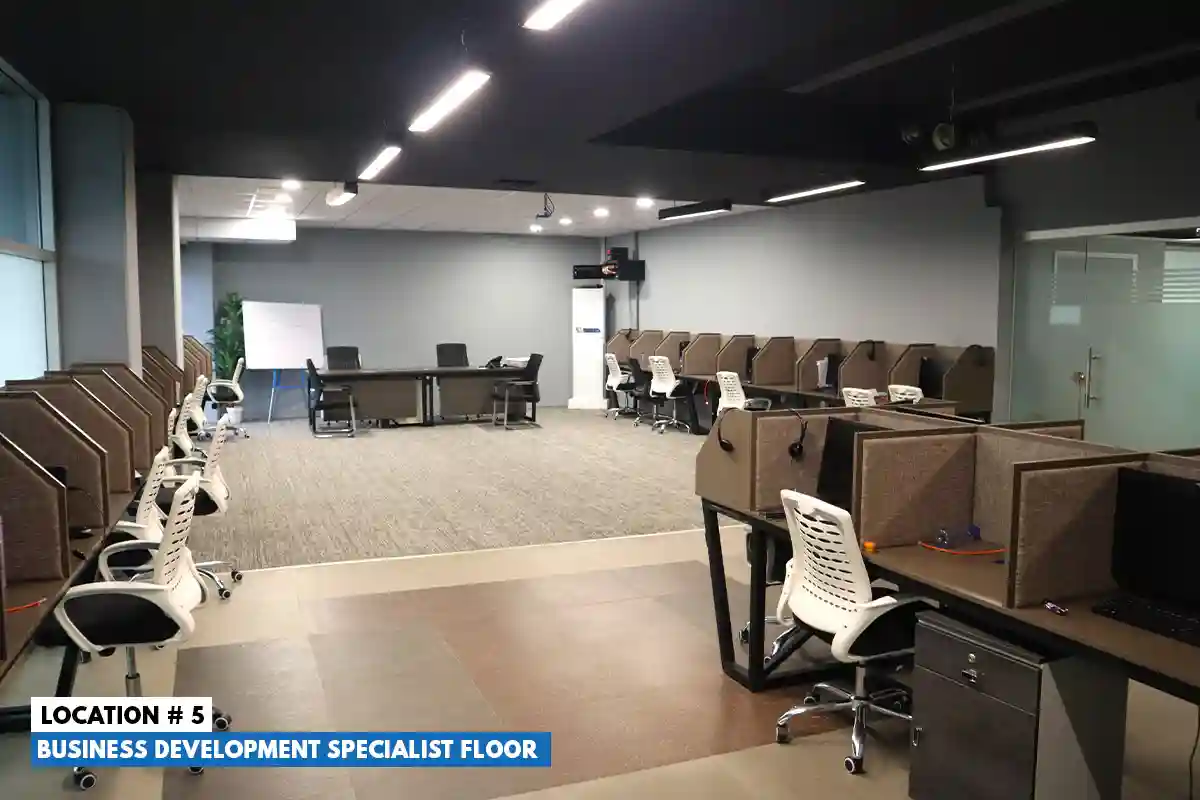
Prime BPO is a business process outsourcing company with six offices in Rawalpindi, Pakistan, serving clients in Pakistan and the USA, and certified to ISO 18295-1:2017 for customer contact centers. Its teams provide lead generation, business development, and telesales and telemarketing services. A typical outsourced SDR engagement:
- Define your ideal customer profile and what counts as a qualified meeting.
- Agree on targets and reporting: meetings held, conversion to opportunity, and pipeline.
- Train the team on your product, messaging, and qualification questions.
- Launch outreach across calls, email, and LinkedIn, with CRM logging.
- Review results regularly and refine targeting, scripts, and lists based on what converts.
Conclusion:
An SDR is the engine at the top of the B2B pipeline: the person who finds, contacts, and qualifies buyers so account executives can focus on closing. Whether you build that function in-house, add AI tools, or outsource it, the goal is the same: a steady flow of qualified meetings that turn into revenue.
|
Your situation |
Best approach |
|
Founder-led sales, no SDR yet |
Start with one SDR or an outsourced pilot |
|
AEs spending too much time prospecting |
Add SDRs to take over outbound and inbound qualification |
|
Need pipeline fast in a new market |
Outsourced SDR team |
|
High lead volume from marketing |
Inbound SDRs focused on speed to lead |
|
Large target account list, small team |
AI tools for research and sequencing, human SDRs for calls |
|
Complex enterprise deals |
Experienced SDRs aligned to AEs, using MEDDPICC basics |
|
High SDR turnover |
Review targeting, coaching, and comp; consider outsourcing part of the work |
Scale Your Sales Pipeline with Prime BPO
If your account executives need more qualified meetings but hiring and ramping in-house SDRs is slow, an outsourced team can add capacity quickly. Prime BPO runs lead generation, business development, and telesales teams for clients in Pakistan and the USA.
- Schedule an outbound sales audit at Prime BPO
- Explore Prime BPO lead generation services
- Call +92-51-8733177 to speak with the business development team
Frequently Asked Questions
What does SDR do?
An SDR (sales development representative) researches target accounts, reaches out to potential buyers by phone, email, and LinkedIn, qualifies inbound and outbound leads, and books qualified meetings for account executives. SDRs also log every activity in the CRM and hand off notes so the AE can pick up the conversation.
Is SDR the hardest sales job?
Many salespeople consider it one of the hardest because it involves constant rejection, high activity targets, and monthly quotas. In the Bridge Group's 2025 research, 60% of SDRs reached quota and average tenure was 1.9 years. Good targeting, coaching, and a clear promotion path make the role more sustainable, and it's a common route into account executive roles.
How much does an SDR earn?
In the U.S., median SDR base pay is about $55,000 with on-target earnings of $80,000, according to the Bridge Group's 2025 research. RepVue data published by The Quota in January 2026 shows a median base of $60,000 and OTE of $85,000 for SDRs and BDRs. Pay is higher in tech sales and major cities.
What is SDR in CIA terms?
In intelligence tradecraft, SDR usually means surveillance detection route: a planned route an officer travels, often for an hour or two, to check whether they're being followed. It has nothing to do with sales; in business, SDR means sales development representative.
What is an outsourced SDR team?
An outsourced SDR team is a group of sales development reps employed and managed by an outside company that prospects and books meetings on your behalf. You define the target accounts, messaging, and what counts as a qualified meeting; the provider recruits, trains, manages, and reports on the reps.
Sources and 2026 Verification
Sources were opened on November 4, 2026, unless noted.
- CIENCE, summary of The Bridge Group's 2025 Sales Development Models, Metrics & Compensation report: base, OTE, ramp, tenure, quota attainment, meeting quotas, attrition (351 B2B companies).
- The Quota, Sales salary guide: what sales reps should earn in 2026 (January 12, 2026): RepVue median base and OTE by role.
- Gartner, The B2B buying journey (opened November 2, 2026): buying group size and time spent with suppliers.
- BLS, Employer Costs for Employee Compensation (opened October 2026): benefits share of compensation costs.
- Spyscape, Surveillance spy skills: surveillance detection routes.
Compensation figures are medians from third-party surveys and vary by location, industry, and company. Cost estimates are illustrative. This article is general information, not financial or legal advice.