

Call monitoring is the practice of listening to, recording and evaluating customer calls to measure agent performance, check compliance and improve the customer experience. It can happen live, with a supervisor listening in or coaching, or after the call, using recordings, transcripts and a quality scorecard.
Most contact centers have some form of call monitoring, but many programs struggle with the same problems: too few calls reviewed to see real patterns, scorecards that agents do not trust, and feedback that feels like policing rather than coaching. Speech analytics tools can now review far more calls automatically, but they work best alongside calibrated human reviewers.
Quick answer: Call quality monitoring means grading live or recorded calls against a standard scorecard that covers greeting, verification, listening, accuracy, communication and closing, then using the results to coach agents. Strong programs combine broad automated coverage with calibrated human review and regular coaching.
What Does Call Monitoring Mean?
Call monitoring is the systematic process of listening to, recording, transcribing and evaluating inbound and outbound customer calls. Its purpose is to measure agent performance, confirm that agents follow required scripts and regulations, and find ways to improve customer experience. It is the core of most call center quality assurance (QA) programs.
A call center monitoring program usually includes four parts:
- Capture: recording calls, and often screens, with the right consent disclosures
- Evaluation: scoring a sample of calls, or all calls, against a quality monitoring form
- Coaching: sharing results with agents through regular feedback sessions
- Improvement: using patterns across calls to update training, scripts, knowledge articles and processes

The Sampling Problem
Traditional quality monitoring relies on QA analysts listening to a small number of calls per agent each month. Speech analytics vendors commonly describe manual programs as reviewing only around 1% to 3% of calls. That makes it easy to miss compliance issues, recurring complaints or coaching opportunities that happen on the calls nobody hears.
Automated QA tools transcribe calls and score them against set criteria, which lets teams review a much larger share of interactions. They are not a replacement for people: automated scores need human calibration, and complex judgment calls such as empathy and problem-solving still benefit from human review.
Note: The 1% to 3% figure is vendor-reported and varies widely. Measure your own coverage by dividing calls reviewed per month by total calls handled.
Call Monitoring vs Call Quality Monitoring
Call monitoring is the broader activity of observing calls, live or recorded. Call quality monitoring is the structured QA discipline of grading those calls against a standard scorecard and turning the results into coaching. In practice, most teams use the terms interchangeably, and Prime BPO's guide to call center monitoring covers the broader program.
Get Free Quotes
Customized Options Await
The 4 Types of Call Monitoring
The four main types of call monitoring are silent live listening, whisper coaching, barge-in and recorded post-call review, which increasingly includes automated QA. Each serves a different purpose, and most contact centers use all four.
1. Silent Live Listening
A supervisor listens to a live call without the agent or customer hearing them. It is useful for spot checks, observing new hires and checking compliance in real time, without interrupting the conversation.
2. Whisper Coaching
The supervisor speaks to the agent during the call, and only the agent can hear. It is useful for onboarding, complex escalations and helping an agent find the right answer without putting the customer on hold.
3. Barge-In
The supervisor joins the call as a third participant whom both the agent and customer can hear. It is used to de-escalate difficult calls, approve exceptions or correct serious errors.
4. Call Recording and Automated QA
Calls are recorded, often transcribed, and evaluated after they end, either by QA analysts, by speech analytics software or both. Automated tools can flag keywords, silence, sentiment and script adherence across many calls, and route the most important ones to human reviewers.

|
Monitoring type |
Can the customer hear the supervisor? |
Main purpose |
Best scenario |
|
Silent live listening |
No |
Observe and assess in real time |
Spot checks, new hires, compliance checks |
|
Whisper coaching |
No; only the agent hears |
Guide the agent live |
Onboarding, complex calls |
|
Barge-in |
Yes |
Take part in the call |
Escalations, exceptions, serious errors |
|
Recording and automated QA |
Not applicable; after the call |
Score, analyze and coach |
Ongoing quality, trends, compliance audits |
The 6 Steps of the Call Flow Process
Most customer service calls follow six steps, and a good quality monitoring form scores each one: greeting, verification, discovery, resolution, recap and closing. The exact wording depends on your business and regulations.
- Greeting and disclosure: a warm, branded greeting, plus any required recording disclosure
- Verification: confirming the caller's identity using your required security steps, such as account questions or one-time codes
- Discovery: listening actively, asking clarifying questions and acknowledging the customer's feelings
- Resolution: giving accurate information or completing the request, and documenting it in the CRM
- Recap: confirming what was done, what happens next and any timelines, to reduce repeat calls
- Closing: thanking the customer, offering further help and, where used, inviting them to a satisfaction survey
Note: Outbound calls follow a similar flow but add steps such as confirming you have reached the right person and following calling-hour and do-not-call rules.
Get Free Quotes
Customized Options Await
Sample Call Center Quality Monitoring Scorecard
A good call monitoring scorecard balances soft skills such as listening and empathy with hard requirements such as accuracy and compliance. The sample below uses 100 points across five categories, plus automatic-fail items for serious compliance breaches. Adjust the weights to match what matters most in your operation.
Designing Balanced Evaluation Criteria
- Make each item observable. "Confirmed the caller's date of birth" is easier to score consistently than "was professional."
- Weight what drives outcomes. Accuracy and resolution usually deserve more weight than script wording.
- Separate compliance from coaching. Use auto-fail items for true zero-tolerance issues, and keep everything else as points to coach on.
- Keep it short. A form with too many items is slow to score and hard to calibrate.
Sample 100-Point Quality Monitoring Form
|
Category |
Criteria |
Points |
Auto-fail triggers |
|
Greeting and verification |
Branded greeting; recording disclosure where required; identity verified per policy |
15 |
Skipping required identity verification |
|
Listening and empathy |
Lets the customer explain; asks clarifying questions; acknowledges feelings; avoids interrupting |
25 |
None |
|
Accuracy and resolution |
Correct information; issue resolved or correctly escalated; CRM updated accurately |
30 |
Giving information that breaks a legal or regulatory rule |
|
Communication and professionalism |
Clear, polite language; appropriate tone and pace; proper hold and transfer handling |
15 |
Profanity or abusive language; hanging up on a customer without cause |
|
Recap and closing |
Confirms next steps; offers further help; closes politely; completes wrap-up |
15 |
None |
|
Payment security |
Card data captured only through approved secure methods |
Pass or fail |
Capturing or recording payment card details outside the approved process |
|
Total |
|
100 |
Any auto-fail scores the call as failed, regardless of points |
Example Scoring Guide
For each item, use a simple scale your reviewers can apply consistently, for example:
Met fully: full points
Partly met: half points
Not met: zero points
Not applicable: remove from total and rescale to 100
Call score = points earned / points possible x 100
Many teams set a target score, for example 85 or higher, and review any call below a set threshold in a coaching session. Choose thresholds based on your own baseline data rather than a generic benchmark.
Note: Share the scorecard and scoring guide with agents before you start. Agents trust QA more when they know exactly how calls are scored.
Call Monitoring Best Practices, Compliance and Software
The most effective call monitoring programs review a meaningful share of calls, keep reviewers calibrated, coach rather than punish, and build compliance into the process from the first second of each call.
Call Center Quality Monitoring Best Practices
- Calibrate regularly. Have QA analysts, supervisors and team leads score the same calls independently, then compare and discuss differences. Many teams aim for scores within a few points of each other; set your own tolerance and track it.
- Coach, don't police. Share results in one-to-one sessions focused on one or two behaviors at a time, with call examples, and recognize good calls as well as poor ones.
- Balance metrics. Pushing average handle time (AHT) too hard can hurt first call resolution (FCR) and customer satisfaction. Review them together.
- Target your human reviews. Use automated tools to surface calls with low sentiment, long silences, escalations or compliance keywords, and send those to human reviewers.
- Close the loop. Feed patterns back into training, scripts and knowledge articles, not just individual scores.
- Let agents self-review. Agents who score their own calls against the form often spot coaching points before the review.
QA Calibration Checklist
- Choose three to five calls that cover a range of quality.
- Have each reviewer score them independently using the same form.
- Compare scores item by item and discuss any differences.
- Agree on the correct score and update the scoring guide where needed.
- Track the spread between reviewers over time.

Call Center Compliance Monitoring
- Recording consent: Federal law follows one-party consent, but Kilpatrick Townsend lists 13 all-party consent states: California, Connecticut, Delaware, Florida, Illinois, Maryland, Massachusetts, Montana, Nevada, New Hampshire, Oregon, Pennsylvania and Washington. Most contact centers play a disclosure such as "This call may be recorded" on every call so they meet the strictest rule.
- Payment cards: PCI DSS does not allow sensitive authentication data, such as the card security code, to be stored after authorization in a way that can be queried. Common approaches include pausing recordings during payment or letting customers enter card numbers on their keypad with the tones masked.
- Health information: If agents handle protected health information, verify identity before discussing it and share only what is needed, under HIPAA rules.
- Outbound calling: TCPA rules restrict calling hours and require consent for certain autodialed or prerecorded calls. Monitoring should check that agents follow do-not-call and consent records.
Note: Recording and privacy laws change, and calls across state or country lines can bring in more than one set of rules. Have legal counsel review your disclosures and retention policies.
Manual QA vs Automated Quality Monitoring
|
Dimension |
Manual sampling only |
Automated QA plus human review |
Effect |
|
Coverage |
A small share of calls per agent |
A much larger share, often all recorded calls |
Fewer blind spots |
|
Speed |
Days or weeks after the call |
Near real time or same day |
Faster coaching |
|
Consistency |
Varies by reviewer |
Consistent rules, but needs tuning |
Calibration still required |
|
Judgment |
Strong on nuance and empathy |
Weaker on nuance |
Keep humans for complex calls |
|
Compliance |
Easy to miss issues on unreviewed calls |
Flags keywords and missing disclosures |
Better audit trail |
|
Cost |
Analyst time per call |
Software cost plus fewer manual reviews |
Depends on volume |















Call Monitoring Software
Popular call center monitoring and quality management platforms include NICE CXone, Genesys Cloud CX, Calabrio, Observe.AI, Five9 and Dialpad. Features vary, so compare them on live monitoring (listen, whisper, barge), recording and screen capture, transcription and speech analytics, customizable scorecards, calibration tools, payment-data redaction, integrations with your phone system and CRM, and reporting. Prime BPO also reviews tools in its guide to call center quality assurance software.
Get Free Quotes
Customized Options Await
How to Build or Scale a Call Monitoring Program
Start by defining what good looks like, put the right tools in place, then build a steady rhythm of coaching and calibration. If you outsource, make sure the provider's QA process is as rigorous as your own.
- Define your standards. Write down your required disclosures, verification steps and service behaviors, then turn them into a weighted scorecard and scoring guide.
- Set up your tools. Make sure your phone system supports live listening, whisper and barge, and that recordings, transcripts and payment redaction are in place.
- Decide what to review. Combine a random sample for fairness with targeted reviews of escalations, low-satisfaction calls and compliance flags.
- Build a coaching rhythm. Hold regular one-to-one coaching sessions and team huddles on common themes.
- Calibrate. Run calibration sessions on a regular schedule and update the scoring guide when reviewers disagree.
- Report and improve. Track quality scores alongside FCR, customer satisfaction and compliance findings, and use trends to update training.
If You Outsource Call Handling
When a BPO partner handles calls for you, ask how its quality program works:
- Who builds the scorecard, and can you add your own criteria?
- How many calls are reviewed per agent per month, and how are they selected?
- How often do they calibrate, and can your team join?
- How quickly are compliance issues escalated to you?
- Can you listen to calls live or access recordings and reports?
Prime BPO's article on quality assurance in BPO and its guide to call center coaching go deeper on running QA with an outsourced team.
Conclusion
Call monitoring works best as a coaching system, not just a scoring system. Use all four monitoring types where they fit, score calls against a clear, weighted scorecard with true auto-fail items, review a broad and targeted set of calls, keep reviewers calibrated and build recording and payment compliance into every call.
|
Your situation |
Where to focus first |
|
New team or new hires |
Silent listening and whisper coaching |
|
Agents distrust QA scores |
Share the scorecard and run calibration sessions |
|
Only a few calls reviewed per agent |
Add automated QA to widen coverage and target reviews |
|
Taking card payments by phone |
Payment redaction or keypad entry with masking |
|
Calling customers in many states |
Recording disclosure on every call |
|
Outsourced call handling |
Joint calibration and access to recordings and reports |
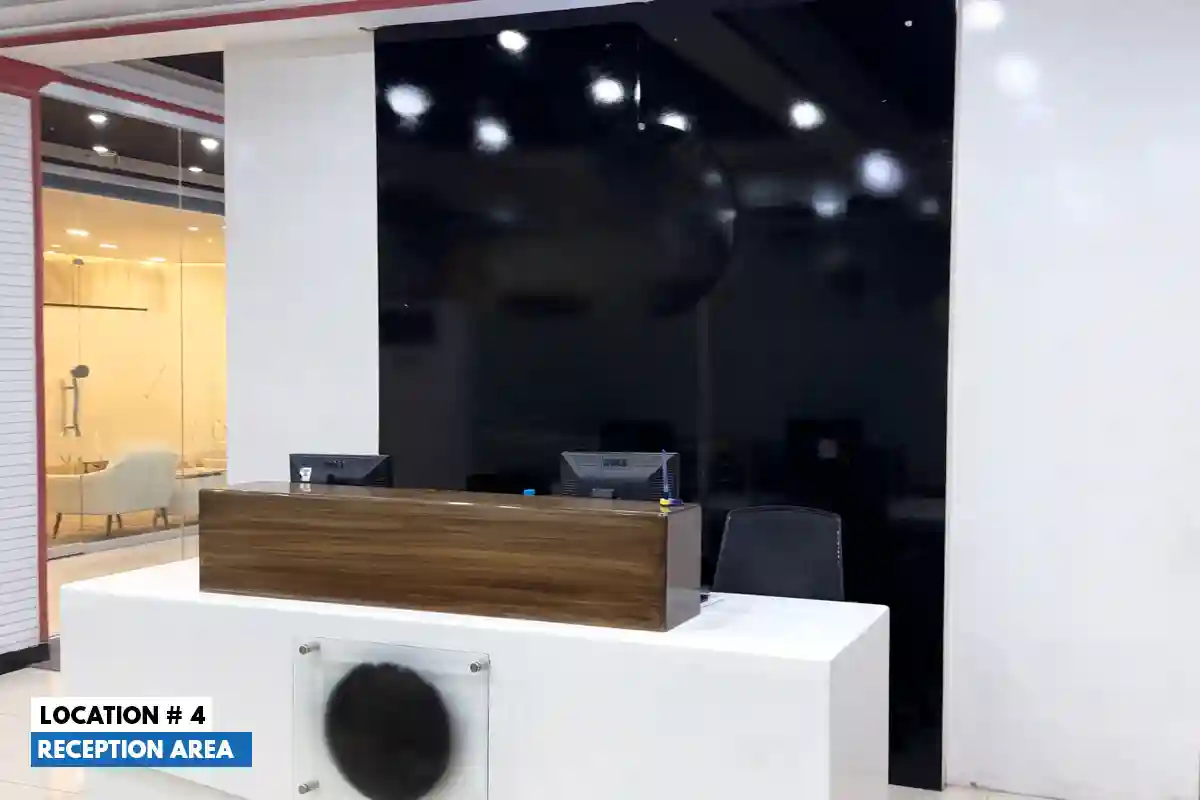
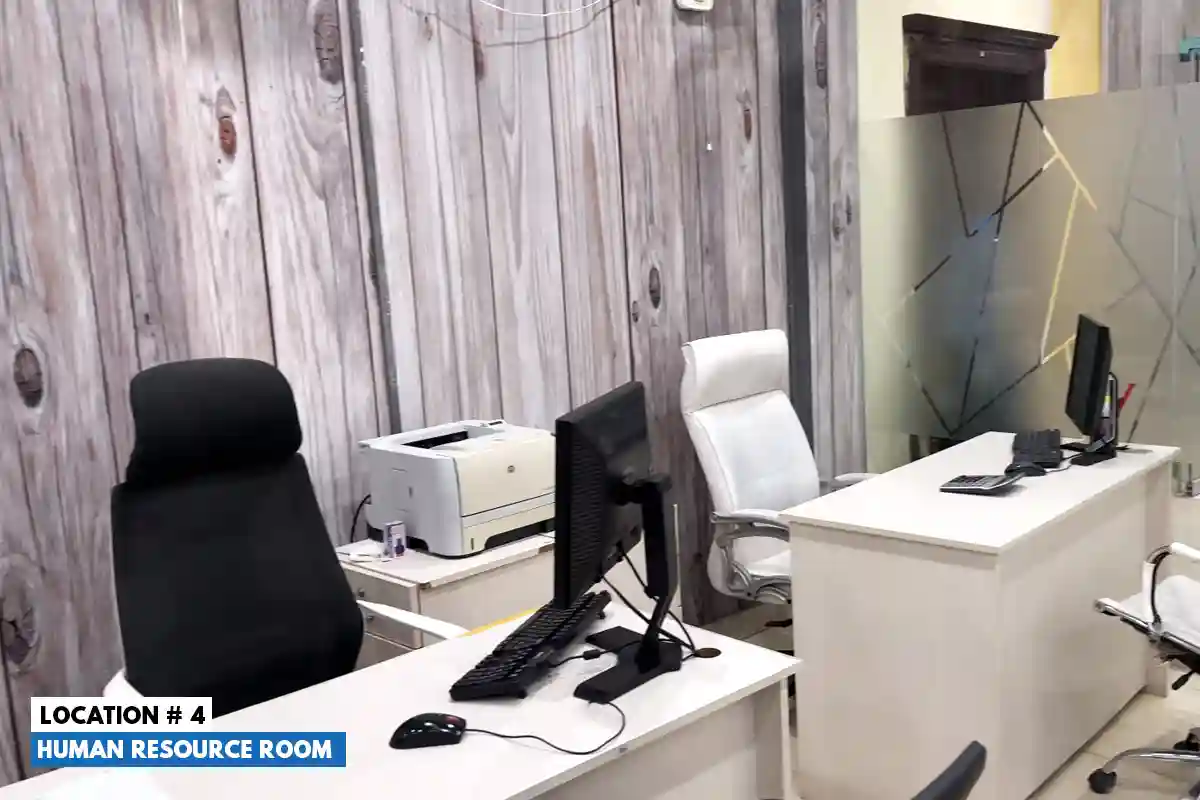
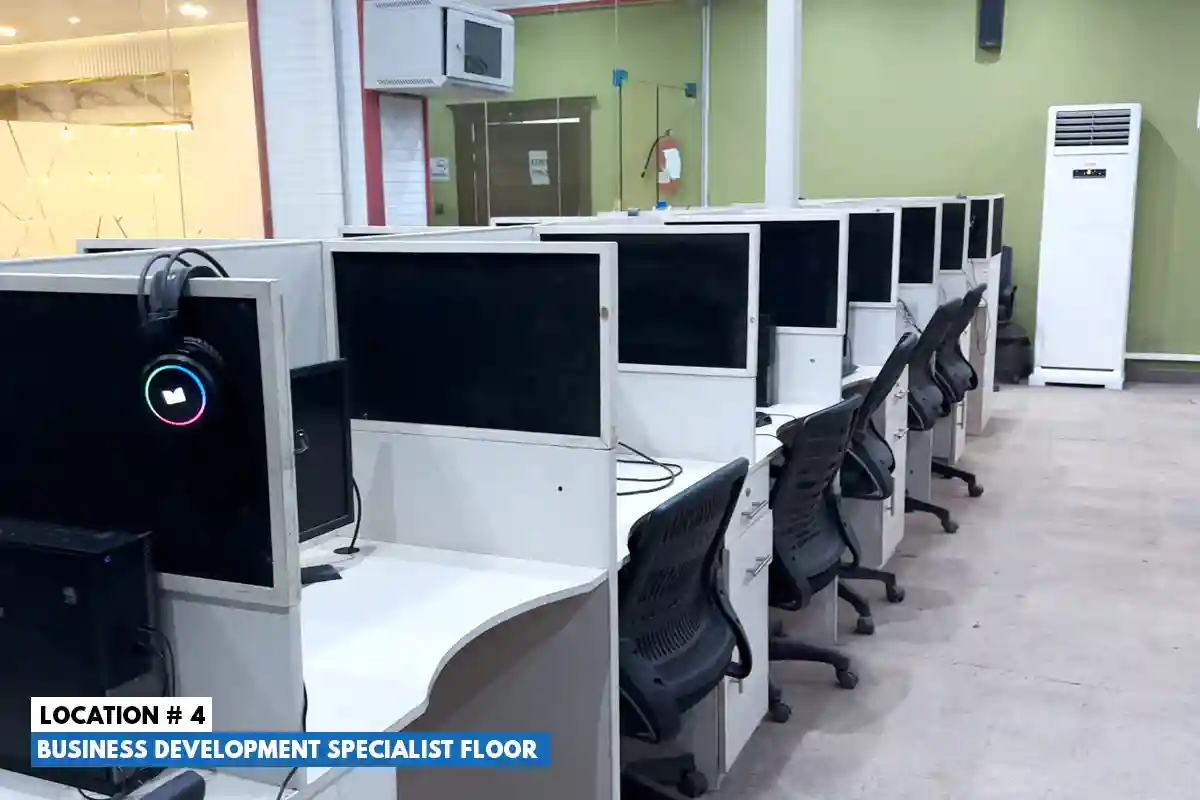
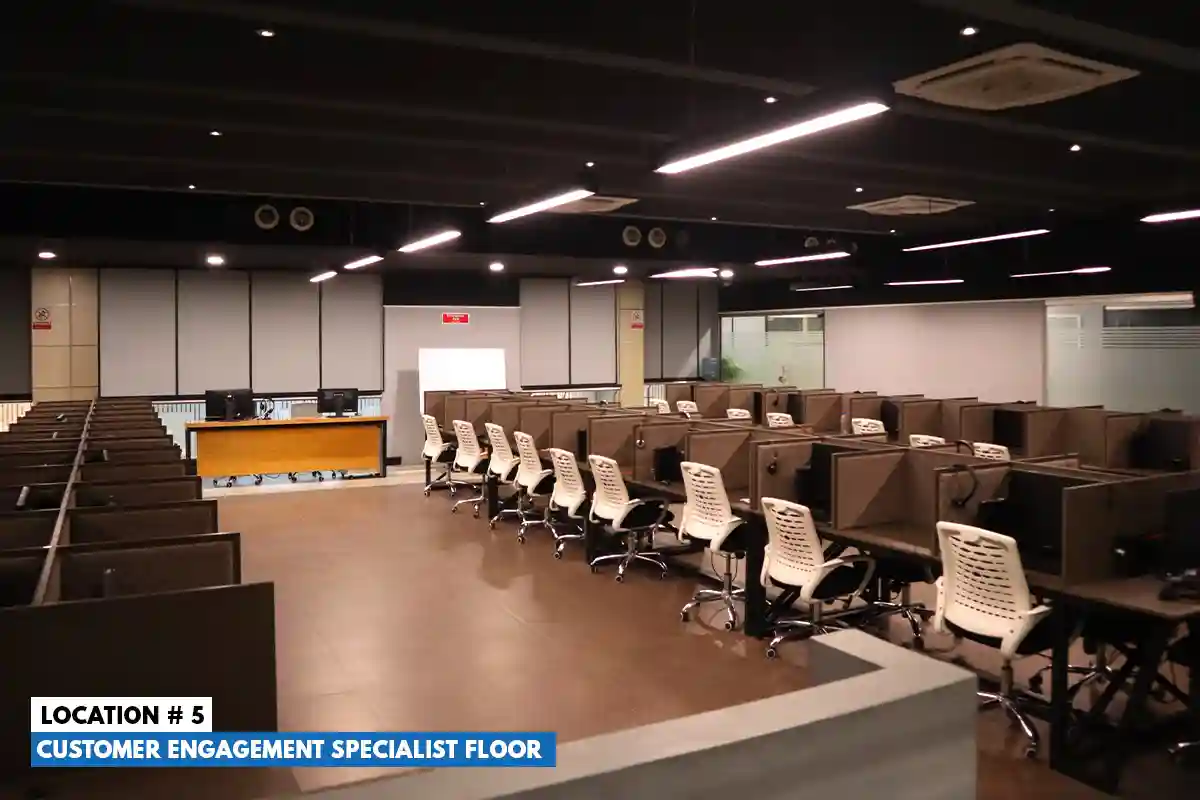
Prime BPO runs inbound and outbound call center operations with call quality assurance, 24/7 coverage from six offices in Rawalpindi and ISO 18295-1:2017 certification for customer contact centres. To discuss QA-monitored call center support, see Prime BPO call quality assurance services, contact Prime BPO or call +92-51-8733177.
Frequently Asked Questions
What does call monitoring mean?
Call monitoring means systematically listening to, recording, transcribing and evaluating inbound and outbound customer calls to measure agent performance, enforce compliance and improve the customer experience. It can be done live or after the call, by people or with software.
What are the four types of monitoring?
The four types are silent live listening, where a supervisor listens without being heard; whisper coaching, where only the agent hears the supervisor; barge-in, where the supervisor joins the call; and recorded post-call review, often with automated quality assurance.
What are the 6 steps of the call flow process?
The six steps are: greeting and any required disclosure; customer verification; active listening and discovery; resolving the issue and documenting it; recapping next steps; and a polite closing, often with a survey invitation.
What is call quality monitoring?
Call quality monitoring is the QA practice of grading live or recorded calls against a standard scorecard that measures accuracy, empathy, compliance, resolution and communication skills, then using the results to coach agents and improve processes.
Do you have to tell customers a call is being recorded?
It depends on the state. Federal law and most states require only one party's consent, but 13 states require all parties to consent, according to Kilpatrick Townsend. Because calls often cross state lines, most contact centers announce recording on every call.
Sources and 2026 Verification
- Kilpatrick Townsend, Wiretap laws in the United States (July 2024): federal one-party consent rule and 13 all-party consent states.
- TechTarget, PCI DSS offers call center PCI compliance tips: PCI Security Standards Council guidance on telephone-based payment card data and call recordings.
- Prime BPO, Call center monitoring, Call center quality assurance software, Quality assurance in BPO and Call quality assurance services.
- ISO, ISO 18295-1:2017 Customer contact centres.
This article is general information, not legal advice. Recording consent, payment card and privacy rules vary by state, country and industry, and the sample scorecard is a template to adapt. Confirm your disclosures and data handling with legal counsel.