




A single slow reply will cost you a customer for good. Research from Verint found that 70% of the customers say that they will switch to a competitor after one poor service experience , and the damage does not stop there. Qualtrics estimates that businesses worldwide lose roughly $3.7 trillion in revenue every year because of poor customer experiences. If you are trying to figure out what exceptional customer service actually looks like today, and how to build it into your business without overspending, this guide will answer that directly.
A Short Answer: What Is Exceptional Customer Service?
Exceptional customer service means resolving a customer's issue very quickly on the channel they prefer and with the response that will feel personal rather than script it. This will combine fast response times, accurate first contact resolution and human tone. Even when part of the interaction is automated. In 2026, that also means blending AI driven speed with real human judgment for anything sensitive or complex.
What Does Exceptional Customer Service Mean to You? A Working Definition
Exceptional customer service is not just politeness on a call. This is the combination of first contact resolution, response speed and personalization that will determine if a customer stays or leaves.
Salesforce research shows that 63% of the customers expect service agents to already understand their needs and history before a conversation even starts. This expectation did not exist a decade ago. It exists now because the customers compare every support interaction to the fastest and even most personalized experience they have had with any brand, not just yours.
Great customer service and good customer service are often used interchangeably, but there is a practical difference. Good customer service resolves the issue. Excellent customer service resolves it in a way the customer remembers and talks about. Nextiva's CX Trends research found that customers are 88% more likely to make another purchase after a positive service experience (Nextiva CX Trends Report), which is the commercial reason this distinction matters.
Why Digital Customer Service Has Changed the Rules
The digital age did not just add new channels. It changed how fast customers expect answers and how publicly they react when they do not get them.
Zendesk's 2026 CX Trends Report found that 74% of the consumers are now expecting customer service to be available at time, and 88% expect faster responses as compared to they did a year earlier. At the same time customers are not abandoning human support. Zendesk also reports that 80% of customers still expect access to a human representative when they need one.
This creates a specific operational challenge. You need speed and availability and it usually means automation and self-service, but you also need a fast, well informed human handoff for anything that a bot cannot resolve on its own.
The Cost of Getting It Wrong
Poor customer experience carries a measurable price tag. According to a national customer rage study that is cited by Arizona State University's W. P. Carey School of Business, 56% of the customers say a bad service experience wasted their time, 43% report the average financial loss of around $1,261, and 31% describe emotional stress as a result.

Get Free Quotes
Customized Options Await
How to Give Exceptional Customer Service: 6 Practical Steps
Providing great customer service every time depends on the good systems, not just friendly employees. The businesses customers love have clear processes that will help them deliver better service consistently.
1. Cut Your First Response Time
Speed is the single largest driver of customer satisfaction scores, according to Freshworks' analysis of CX priorities. Customers judge your brand within the first response, not the final resolution.
Make sure to set a target first response time for every channel you operate on. Live chat and social media generally require the fastest turnaround, since the customers on those channels expect a near real time reply.
2. Meet Customers on Their Preferred Channel
Customers are now using about nine different channels to communicate with the same company. Verint's 2024 research found that 61% of the customers preferred digital channels, up from 45% of the year before.
3. Personalize Without Being Invasive
Personalized customer service means understanding what each customer needs based on their past interactions not simply on using their name in a message. Salesforce found that 73% of the customers expect any business to understand their needs that are based on their previous interactions.
4. Use AI to Support Agents, Not Replace Judgment
AI has become a standard part of customer service operations. Zendesk's 2026 benchmark data shows 81% of consumers now consider AI a normal part of modern customer service, and 75% support agents using AI to help draft responses.
5. Train for First Contact Resolution, Not Just Politeness
A friendly agent is not enough if they cannot solve the customer problem during the first interaction. Businesses should track the first contact resolution and give agent access to the same information across all the channels. This will help the agent to solve the problems faster and give the customer a better experience.
6. Protect Customer Data as Part of the Experience
Trust is now part of the service experience itself. Zendesk's 2026 benchmark data found that 70% of consumers will not purchase from a company they view as having weak security practices, and 83% of CX leaders now rank data protection as a top priority in their service strategy.

Customer Service Channel Comparison
|
Channel |
Customer Preference Signal |
Typical Use Case |
Key Consideration |
|
Live chat |
52% of customers say they stay more loyal to companies offering live chat (Kayako) |
Quick questions, order status, pre-sale queries |
Requires fast staffing during peak hours |
|
Phone support |
39% of customers still prefer phone contact (Verint, 2024) |
Complex, sensitive, or urgent issues |
Higher cost per interaction than chat or social |
|
Social media |
76% of customers expect a reply within 24 hours (Sprout Social Index) |
Public complaints, brand visibility issues |
Response is visible to other potential customers |
|
Self-service and chatbots |
78% of customers prefer self-service when it is available (HubSpot State of Service Report, 2024) |
Simple, repetitive questions |
Needs a clear escalation path to a human |

Good vs. Excellent Customer Service: What Actually Separates Them
|
Factor |
Good Customer Service |
Exceptional Customer Service |
|
Response time |
Meets a set SLA |
Beats customer expectations consistently |
|
Personalization |
Uses the customer's name |
Uses full interaction history to shape the response |
|
Channel handling |
Answers on one channel |
Maintains context across every channel the customer uses |
|
Problem resolution |
Solves the immediate issue |
Resolves on first contact and flags the root cause |
|
Use of AI |
Uses a chatbot for FAQs |
Uses AI to speed up agents while keeping human judgment for complex cases |


























Building This Without Overloading Your Team
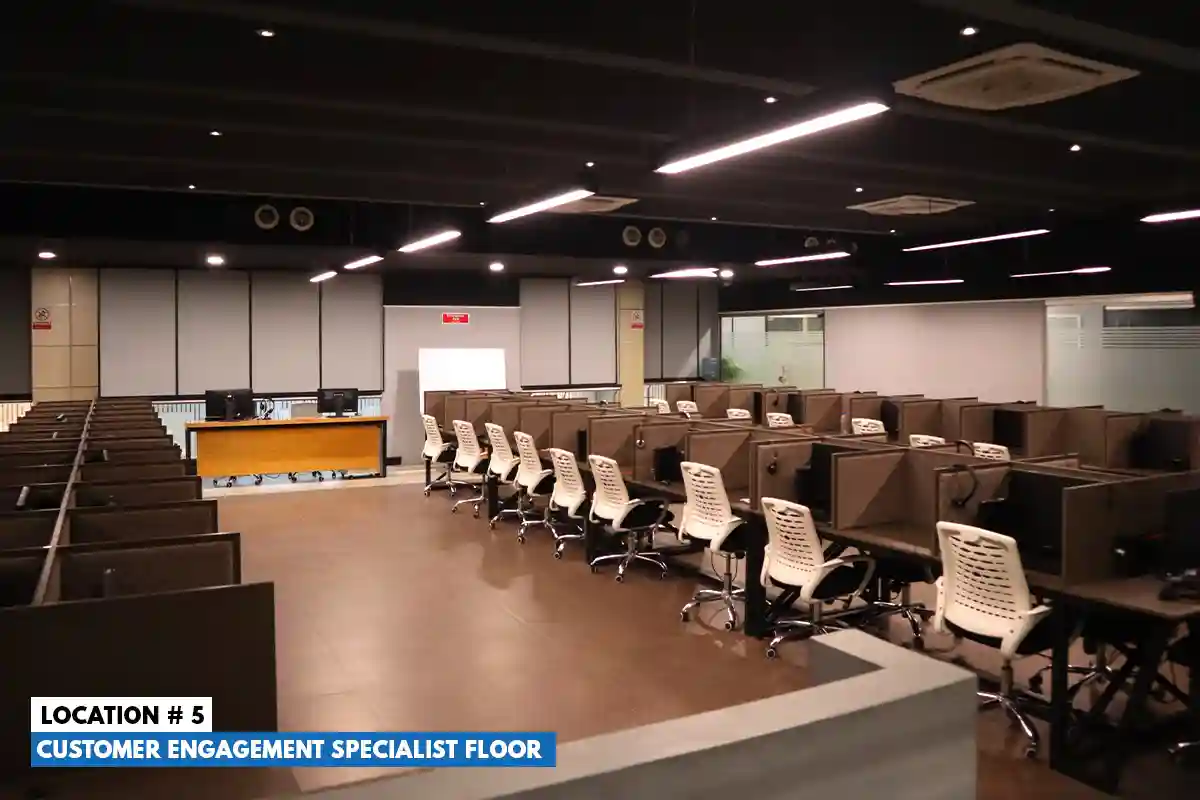
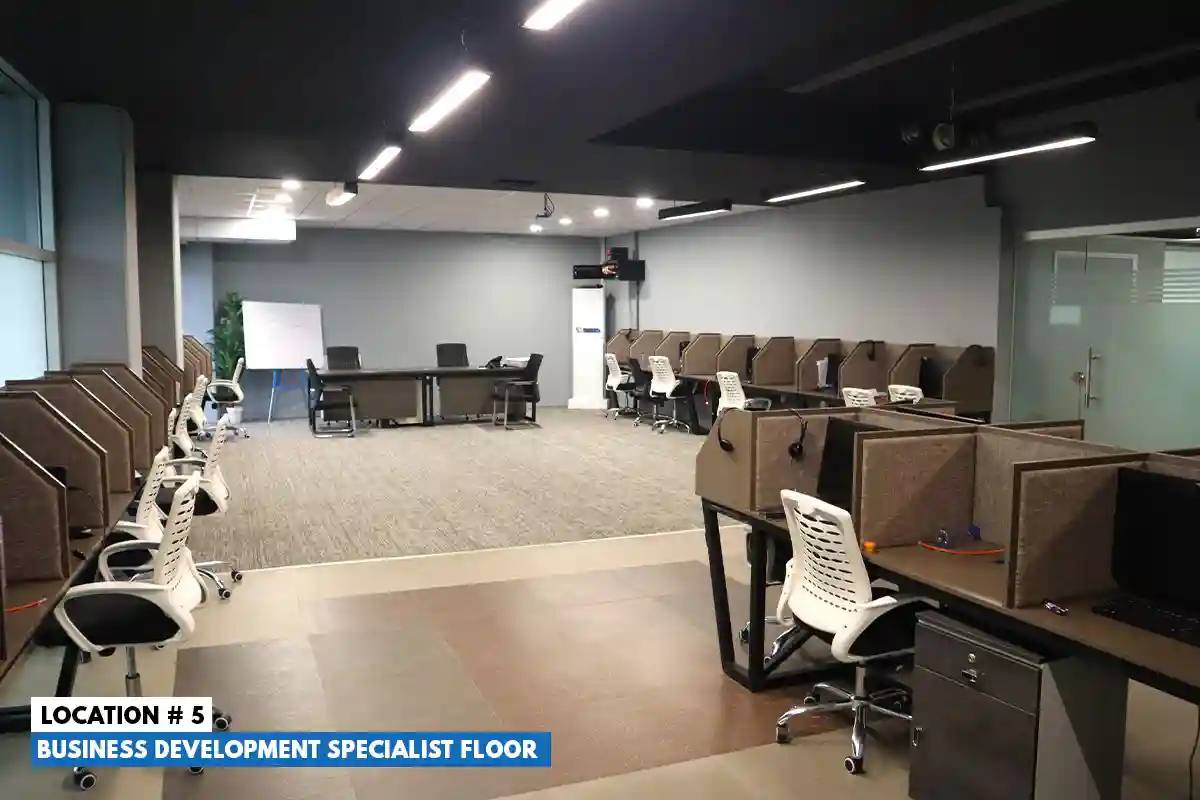
Most of the businesses do not fail at customer service because the lack good intentions. They fail just because of the lack of staffing, tools around the clock coverage to hit the response time that customers now expect. The gap is exactly where a specialized partner can also help you to scale support without sacrificing the quality.
If you want to see what dedicated, trained agents and 24/7 omnichannel coverage could look like for your business, Prime BPO can walk you through how their teams handle live chat, phone, and social support for growing companies. There is no pressure to commit. It is simply a conversation about what your current gaps are costing you.
Get Free Quotes
Customized Options Await
FAQS
How to provide an exceptional customer experience?
Provide fast, friendly and personalized services. Make sure to listen very carefully, solve their problems quickly and make sure that customers feel valued at every step.
What are 10 ways to improve customer service?
There are 10 ways to improve customer service and these are listening to your customers, responding to them quickly, staying polite while talking, understanding their needs, solve their problems and communicating clearly. Also personalized service, as feedback, train staff and follow up.
What are the 7 qualities of a good customer?
A good customer is usually respectful, clear, patient, honest, cooperative, responsive and understanding. All these qualities will help to create a positive relationship with a business.
What are 5 qualities of a good customer service interview question?
If you mean five qualities of a good customer service employee, then these are communication, patience, empathy, problem solving, and a positive attitude towards the customers.