






















Key Points
- Improved customer satisfaction through faster response times
- Reduced operational and infrastructure costs
- Scalability to support business growth
- Remote and virtual workforce enablement
- AI driven automatic and analytics
- Seamless CRM and software integration
- Enhanced agent productivity and also performance tracking
Call Center Solutions for Modern Businesses - Cloud & AI
Gone are the days when call centers were only limited to the rows and desks and ringing phones. Customer expectations have changed faster and today people don’t want just answers. They want them instantly, accurately, and from someone who already understands their problems.
Today’s solutions are cloud based, AI driven and built to work from anywhere in the world. No matter if you are a small business looking to scale or an enterprise managing thousands of daily interactions, choosing the right system can directly impact customer loyalty, brand reputation and revenue growth.
In this detailed guide we will breakdown how modern call solutions work, what are the different types that are available and how businesses can use them to deliver the best customer experiences while staying efficient and competitive.
Get Free Quotes
Customized Options Await
From Traditional to Digital: The Evolution of Call Center Solutions
Lets have a quick look that how the traditional call centers evolve to the modern call center solutions
Traditional Call Centers
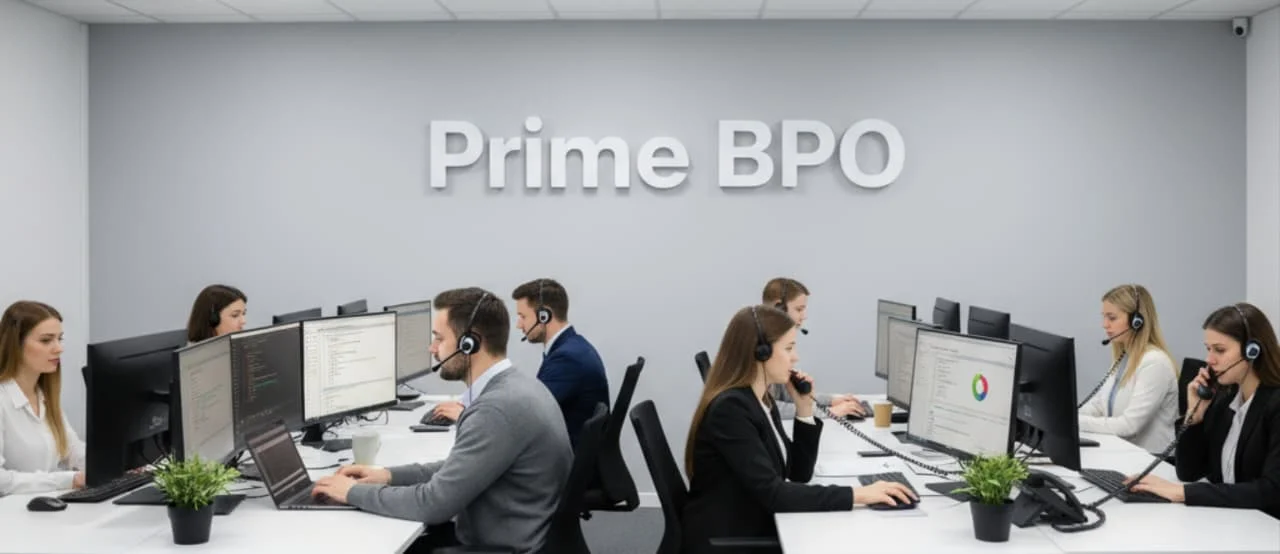
Traditional call centers only relied on physical infrastructure, on premise servers and fixed phone lines. Today call center software solutions are cloud powered, AI driven and specifically designed to support the remote teams. The solutions integrated voice, email and chat, and analytics into one centralized platform.
Modern Call Center Solutions
Modern call solutions enable businesses to handle high call volume sufficiently while maintaining the quality interactions. They are specifically designed to be flexible, allowing the companies to scale up or down based on the demand without heavy infrastructure costs.

Cloud Based Call Center Solutions That Free Your Business From Hardware
Cloud based call center solutions have totally transformed the way businesses are operating. Instead of maintaining the expensive hardware, the companies can access call center systems through the Internet. This model offers unmatched flexibility, and cost savings.
With call center cloud solutions agents can work from anywhere and this thing will make remote and hybrid work models easier to implement. Updates, maintenance and security are managed by the service provider, reducing IT workload.
Hosted call center solutions are the popular type of cloud system that are providing businesses with ready to use bad files that can be deployed quickly. All these solutions are best for the companies who are looking for fast implementation without any technical complexity.
Virtual Call Center Solutions That Let Your Team Work From Anywhere
Visual call centers solutions allow the agents to operate from different locations while staying connected through a unified system. This approach is very useful for businesses with distributed teams or global operations.
Virtual call centers reduced the overhead costs that are related to office space and infrastructure. They also make it very easy to hire in from different actions, making sure that the customer support will be 24/7 available. With features like call routing, performance monitoring, and the real time reporting the virtual solutions, deliver the same efficiency as traditional call centers do.
Inbound And Outbound Call Center Solutions
Different businesses have different communication needs, which is why inbound call center solutions and outbound call center solutions serve a different purpose. Some modern call centers combine both inbound and outbound capabilities to offer the businesses a complete communication control. Let's have a look at each to get a better understanding.
Inbound Call Center Solutions That Turn Customer call centers Loyalty
Inbound solutions focus on handling the customer queries, technical support, order processing and complaint solution. Features like interactive voice response, call queue and intelligent routing will help to manage the High Court volume easily and efficiently.
Outbound Call Center Solutions Designed to Drive Sales and Growth
Outbound solution is specifically designed for sales campaigns, lead generation, customer service, and follow up. Automated dialing, call recording, and analytics will help the agent to improve the conversion rates and campaign performance.
AI Call Center Solutions: Smarter Conversations, Better Results
yes, AI call center solutions redefine customer engagement by automating routine tasks and enhancing agent performance. AI power, Chatbot, voice assistance and predictive analytics will help the business to respond faster and more accurately.
It also reduced the manual workloads, AI allows the agents to focus on the complex interactions, and this will result in better customer experiences and higher efficiency.
Call Center CRM Solutions That Personalize Every Interaction
Customer relationship management is the heart of successful call center operations. Call center CRM solutions integrate the customer data, interaction and preferences into a single dashboard. With CRM integration agents get instant access to custom information, enabling personalized and informed conversation conversations. This will improve the first call conversion rates and strengthen the customer relationships.
VoIP Call Center Solutions That Cut Costs, Not Call Quality
VOIP solutions use Internet based calling instead of the traditional phone lines. This technology will reduce the communication cost, especially for international and long distance calls.
Call Center Solutions for Small Business With Big-Brand Capabilities
Small businesses, often, face budget and resources limitations, but that does not mean that they should compromise on customer service. Call center solutions for small businesses are specially designed to be affordable, scalable, and easy to use. All these solutions allow the small teams to manage the customer interactions professionally, while supporting the future growth. Cloud based and hosted models are particularly popular among small businesses due to their low upfront cost, and flexible pricing.
Enterprise Call Center Solutions Built for High Volume & Global Reach
Large organizations require advanced systems to handle the high call volume volumes, multiple departments, and also global operations. Enterprise quality solutions provide strong features such as advanced analytics, AI driven insights, Omni Channel support, and enterprise grade security. All the solutions are built for reliability, compliance, and performance, making sure that the customers will receive consistent experience all across touch points.
Call Center Outsourcing Solutions That Reduce Cost Without Losing Control
For businesses who are looking to reduce the operational burden, call center outsourcing solutions are a practical alternative. Outsourcing will allow companies, customer support or sales operations to specialized service providers. This approach will help to reduce the cost, improve service quality and focus internal resources on main business activities.
Final Thoughts
Modern core situations are no longer just tools for handing the calls. They are the main platforms that drive customer experience and business success. From cloud solutions and virtual solutions to AI powered systems businesses have a wide range of options to choose from. Make sure to choose the best one that fits your business needs and budget.
Transform Your Customer Support With Prime BPO
Ready to elevate customer experience that reduced the operational cost? Prime BPO delivers smart and best call centers solutions that are powered by cloud, AI and expert agents. Let us handle your customer conversation so you can focus on growth.
Get Free Quotes
Customized Options Await
FAQS
What is a call center solution?
Call solution system that will help the business to manage the customer calls, messages and chats in one place. It allows the agents to answer customer questions, provide support or make sales calls using software instead of traditional phone systems.
What is the salary in call center in Pakistan?
Call center salaries in Pakistan usually depend on experience on the type of word. On average the beginners earned down 25,000 to 40,000 per month. Experience agents on Night Shift workers can earn PKI 60,000 or more, especially at international call centers.
Is call center job legal in Pakistan?
Yes, call center jobs are completely legal in Pakistan. There are so many local international companies that run centers across the country. As long as the company is registered and follows the law, working in a call center is legal and safe.
Which is better, BPO or call center?
Both are good but they serve different purposes. Our call center mainly handles phone calls for customer support sales. BPO includes call center work plus other services data entry, customer support, and back office tasks. If you want more carrier options, then BPO is usually better.