








































In today’s customer-driven business world, call centers play a vital role in shaping customer experience. Whether handling sales, support, or outbound campaigns, success depends heavily on strong call center management. Without proper systems, leadership, and processes, even the best agents struggle to perform consistently.
This guide explains what call center management is, the responsibilities of managers, workforce planning, quality monitoring, software tools, and proven best practices. It is designed for business owners, operations managers, and BPO leaders looking to improve performance and customer satisfaction.
Get Free Quotes
Customized Options Await
What Is Call Center Management?
Call center management refers to the planning, coordination, and supervision of daily call center operations. It ensures agents are productive, customers are satisfied, and business goals are met.
Effective management balances people, technology, and processes. It focuses on optimizing workflows, monitoring performance, and continuously improving service quality while controlling operational costs.
Role of a Call Center Manager
Overseeing Daily Operations
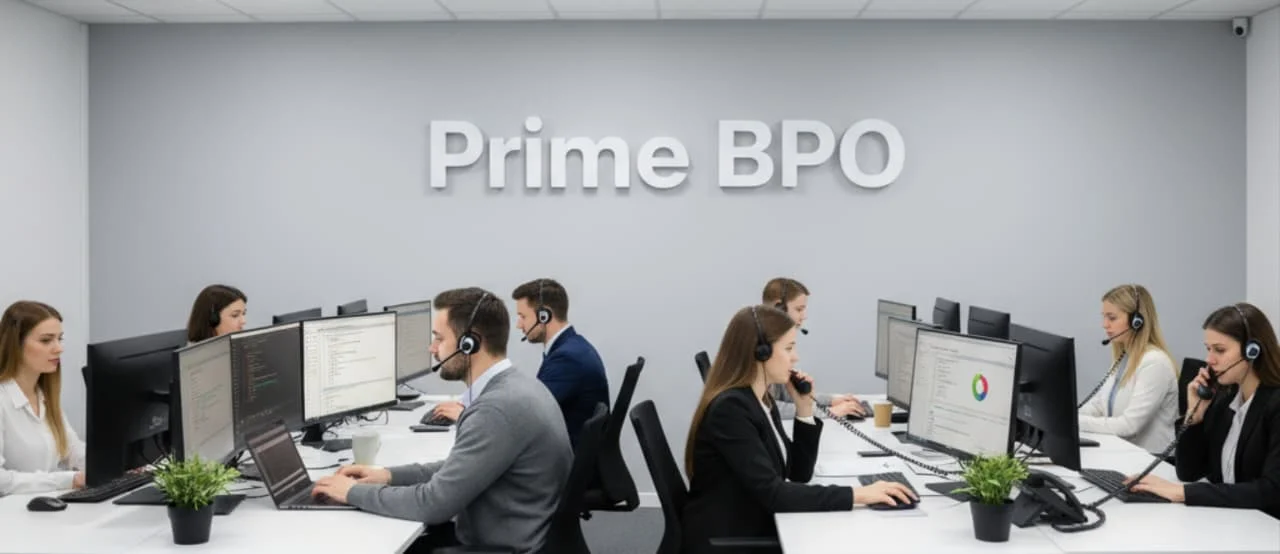
A call center manager supervises day-to-day activities such as call handling, scheduling, and agent performance. They ensure service levels are met and operations run smoothly.
Managers also address escalations, resolve operational issues, and maintain workflow efficiency during peak hours.
Team Leadership and Motivation
Leading a team of agents requires strong communication and motivational skills. Managers coach agents, provide feedback, and encourage a positive work culture.
Motivated teams deliver better customer experiences and maintain higher productivity levels.
Performance Monitoring and Reporting
Managers track key performance indicators such as response times, resolution rates, and customer satisfaction. These insights help identify areas for improvement.
Regular reporting allows leadership to make data-driven decisions and improve service delivery.
Call Center Customer Relationship Management
Managing Customer Interactions
Customer relationship management systems help track customer interactions across calls, emails, and chats. This ensures consistent and personalized service.
Agents can access customer history quickly, reducing call time and improving resolution accuracy.
Improving Customer Experience
CRM tools enable better understanding of customer needs and preferences. This leads to more effective communication and stronger customer relationships.
A well-managed CRM system improves customer loyalty and retention.
Data-Driven Insights
CRM platforms provide valuable data on customer behavior and agent performance. Managers can use this data to refine processes and improve outcomes.
Call Center Quality Management
Monitoring Call Quality
Quality management focuses on evaluating calls to ensure agents follow scripts, policies, and service standards.
Regular call monitoring helps maintain consistency and compliance across the team.
Coaching and Feedback
Quality reviews provide opportunities for targeted coaching. Constructive feedback helps agents improve communication and problem-solving skills.
Ongoing coaching supports long-term performance growth.
Continuous Improvement
Quality management is not just about evaluation. It encourages continuous learning and improvement to enhance overall service quality.

Call Center Workforce Management
Forecasting Call Volume
Workforce management involves predicting call volume to ensure proper staffing levels. Accurate forecasting prevents overstaffing or understaffing.
This helps maintain service quality while controlling labor costs.
Scheduling and Staffing
Effective scheduling ensures the right number of agents are available at the right times. It balances workload and reduces agent burnout.
Flexible schedules also improve employee satisfaction.
Real-Time Management
Real-time management allows supervisors to make quick adjustments during unexpected call spikes. This keeps operations running smoothly throughout the day.
Call Center Management Software
Centralized Operations
Management software integrates scheduling, reporting, and performance tracking into one platform. This simplifies operations and improves visibility.
Managers can monitor multiple metrics from a single dashboard.
Automation and Efficiency
Automation reduces manual tasks such as reporting and scheduling. This saves time and minimizes errors.
Efficient software tools allow managers to focus on strategic improvements.
Scalability for Growth
Modern call center systems support business growth by adapting to increased call volumes and expanding teams.
Call Center Performance Management
Tracking Key Metrics
Performance management focuses on metrics such as average handling time, first-call resolution, and customer satisfaction scores.
Tracking these indicators helps measure success and identify improvement areas.
Agent Development
Performance insights help managers tailor training programs to agent needs. This improves individual and team performance.
Well-developed agents contribute to better customer outcomes.
Aligning Goals
Performance management aligns agent goals with business objectives. Clear targets improve accountability and motivation.
Call Center Knowledge Management
Centralized Information
Knowledge management systems store scripts, FAQs, and procedures in one place. Agents can access information quickly during calls.
This reduces errors and improves resolution times.
Consistent Messaging
Centralized knowledge ensures consistent responses across agents. Customers receive accurate and uniform information.
Consistency builds trust and credibility.
Continuous Updates
Knowledge bases should be updated regularly to reflect changes in products or policies. This keeps agents informed and confident.
Call Center Queue Management
Managing Call Flow
Queue management ensures calls are distributed efficiently among agents. It reduces wait times and improves customer satisfaction.
Smart routing directs callers to the most suitable agent.
Reducing Abandonment Rates
Efficient queue management minimizes long wait times, lowering call abandonment rates.
Customers are more likely to stay on the line when queues are handled properly.
Improving Service Levels
Well-managed queues help maintain service level agreements and enhance overall customer experience.
Managing Call Center Operations Effectively
Standardized Processes
Clear processes improve consistency and efficiency. Standard operating procedures guide agents through common scenarios.
Well-documented processes reduce confusion and errors.
Incident Management
Incident management addresses unexpected issues such as system outages or service disruptions.
Quick response minimizes downtime and maintains customer trust.
Cross-Team Coordination
Successful operations require coordination between agents, supervisors, and technical teams. Collaboration ensures smooth service delivery.

Call Center Management Best Practices
Invest in Training
Ongoing training keeps agents skilled and confident. Training improves communication, compliance, and problem-solving abilities.
Well-trained agents deliver better results.
Use Data for Decisions
Data-driven decisions lead to more effective management strategies. Performance analytics help optimize staffing and workflows.
Foster a Positive Work Culture
A supportive environment reduces turnover and improves morale. Happy agents provide better customer service.
How to Manage a Call Center Successfully
Set Clear Expectations
Clear performance goals and expectations help agents stay focused and accountable.
Transparency improves trust between management and staff.
Leverage Technology
Using the right management tools enhances efficiency and scalability. Technology supports growth and performance optimization.
Partner with Experts
Outsourcing or consulting with experienced providers like Prime BPO can improve operational efficiency and service quality.
Conclusion
Call center management is the foundation of successful customer service operations. From workforce planning and quality monitoring to performance tracking and knowledge management, every element plays a crucial role in delivering consistent and high-quality service.
By adopting best practices, investing in the right software, and empowering teams through training and leadership, businesses can achieve operational excellence. Prime BPO helps organizations implement effective call center management strategies that drive performance, efficiency, and customer satisfaction.
Get Free Quotes
Customized Options Await
FAQs
What is call center management?
Call center management involves supervising daily operations, managing staff, monitoring performance, and ensuring quality customer service.
What does a call center manager do?
A call center manager oversees operations, leads teams, monitors performance, and ensures service goals are met.
What is CMS in BPO?
CMS refers to Call Management System, which helps manage call routing, monitoring, and reporting in BPO operations.
How to manage a call centre?
Managing a call centre requires proper staffing, performance monitoring, training, and the use of management software.