
You built a website, ran some ads, maybe published a few blog posts. People are reaching out. They're filling out forms, calling your number, chatting in. And somewhere between "they showed interest" and "they signed a contract," you're losing them.
That gap has a name. And closing it is exactly what inbound sales is designed to do.
If you came here wondering whether inbound sales is worth your time, how it compares to outbound, or whether outsourcing makes sense, you're about to get a straight answer.
What Is Inbound Sales, Really?
Inbound sales is the process of converting the prospect who have already shown the interest in your protective services into the paying customers. It's not like outbound, when you have to interrupt the strangers inbound sales respond to the people who raise their hand first.
A prospect download your pricing items without the contact form, call your number or start a live chat. And inbound representative will pick that conversation up and guide the buyer towards the decision.
Inbound Sales vs Outbound Sales: Which One Actually Works?
The honest answer is both, but they serve completely different stages and buyer mindsets. Here's a direct comparison:
|
Factor |
Inbound Sales |
Outbound Sales |
|
Lead initiation |
Buyer contacts you |
You contact the buyer |
|
Lead quality |
Higher intent, closer to decision |
Earlier stage, needs more nurturing |
|
Cost per lead |
Up to 61% lower (Sender, 2026) |
Higher due to volume needed |
|
Conversion rate |
Higher (median 62% qualified-to-booked for B2B) |
Typically lower |
|
Marketer preference |
59% say inbound gives highest-quality leads |
16% prefer outbound leads |
|
Best for |
Warmed audiences, existing demand |
New markets, cold audiences |
The data is not ambiguous. Inbound when is on the lead quality, cost efficiency and conversion. The outbound still has its place when you are entering the new market or the buildings from scratch. Smart businesses will optimize the inbound and outcome strategies together but they built the inbound first.
How the Inbound Sales Funnel Actually Works
The inbound sales funnel moves a stranger who found you through content or search into a closed customer through a structured, personalized process. It's not magic. It's a repeatable sequence.
Here's how it breaks down in practice:
Stage 1: Attract
A potential buyer searches for a solution to their problem. Your blog post, landing page, or ad appears. They click. This is where your marketing team and your sales team share ownership.
Stage 2: Convert
The visitor takes an action, filling out a form, starting a chat, calling your number. They are now a lead. An inbound sales representative receives the handoff.

Stage 3: Connect
The representative reaches out the maximum minutes not the hours. According to the Prospeo's 2026 benchmark data, lead contacted within five minutes or 21 more likely to qualify than those who contacted after 30 minutes. The average response time across the businesses is 47 hours. That alone explain not conversion failures.
Stage 4: Explore
The rep runs discovery. What brought this person in? What problem are they trying to solve? What have they already tried? This is not a script. It's a real conversation.
Stage 5: Advise and Close
The rep presents a solution that maps to the specific problem uncovered in discovery. The buyer feels heard. The close follows naturally.
The inbound marketing sales funnel is only as strong as the handoff between marketing and sales. If leads are being passed over without context, scored without logic, or ignored for 47 hours, the funnel is broken regardless of how much traffic you're generating.

Get Free Quotes
Customized Options Await
What Does an Inbound Sales Representative Actually Do?
An inbound sales representative is responsible for converting warm inbound leads into customers through speed, discovery, and consultative selling. They do not cold call. They respond, qualify, and close.
The role requires:
- Responding to inbound inquiries fast, ideally within 5 minutes
- Running structured discovery to understand the buyer's situation
- Matching the buyer's needs to the right product or service tier
- Following up consistently across the sales cycle
- Coordinating with customer support when the deal moves to onboarding
The last point is very critical and is often overlooked. In the informed sales and customer support are not separate silos. The representative who processes the deal should pass the detailed notes to the supporting. What the customer was promised, what the problem they wanted to solve, and what success looks like for them. When that handoff breakdown then the churn follows.
The connection between the sales operation and the customer support is one of the main reasons of the business outsourcing inbound customer support say to a BPO partner. A coordinated external team will handle the both, keeping the experience consistent from the first contact to on boarding.
Why Businesses Outsource Inbound Sales (And When It Makes Sense)
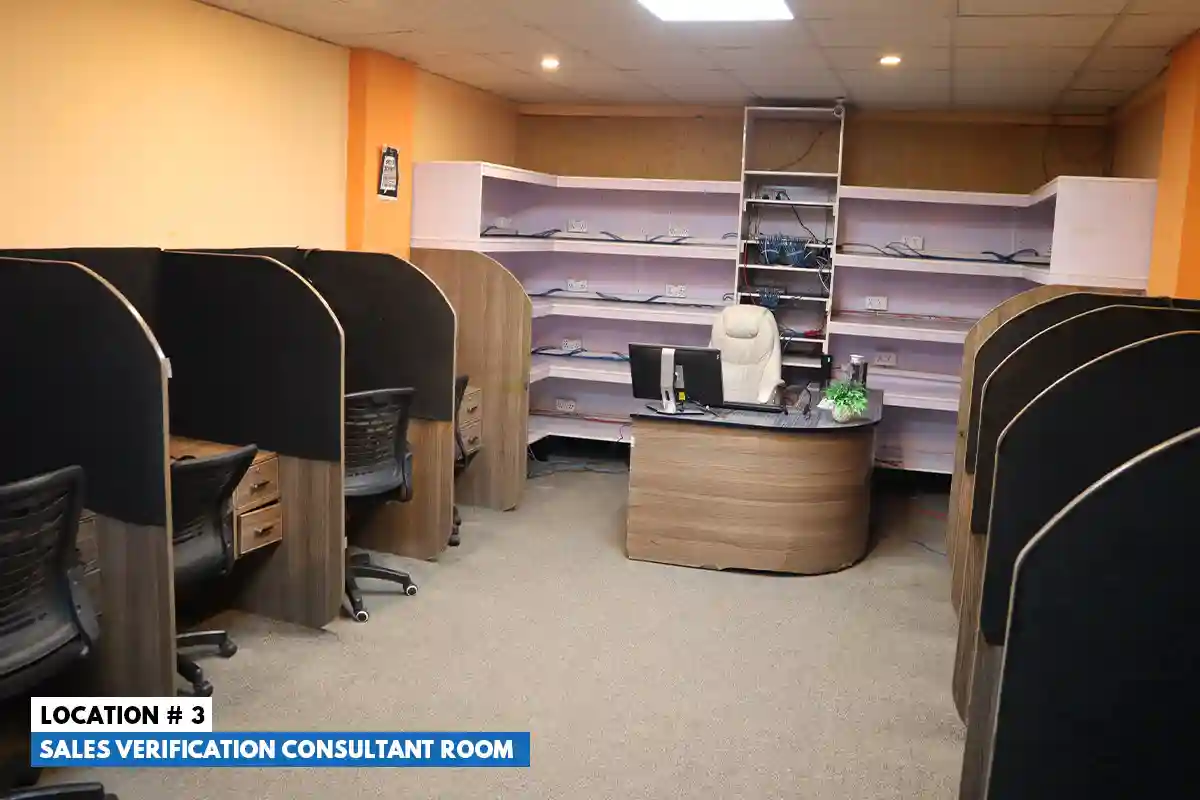
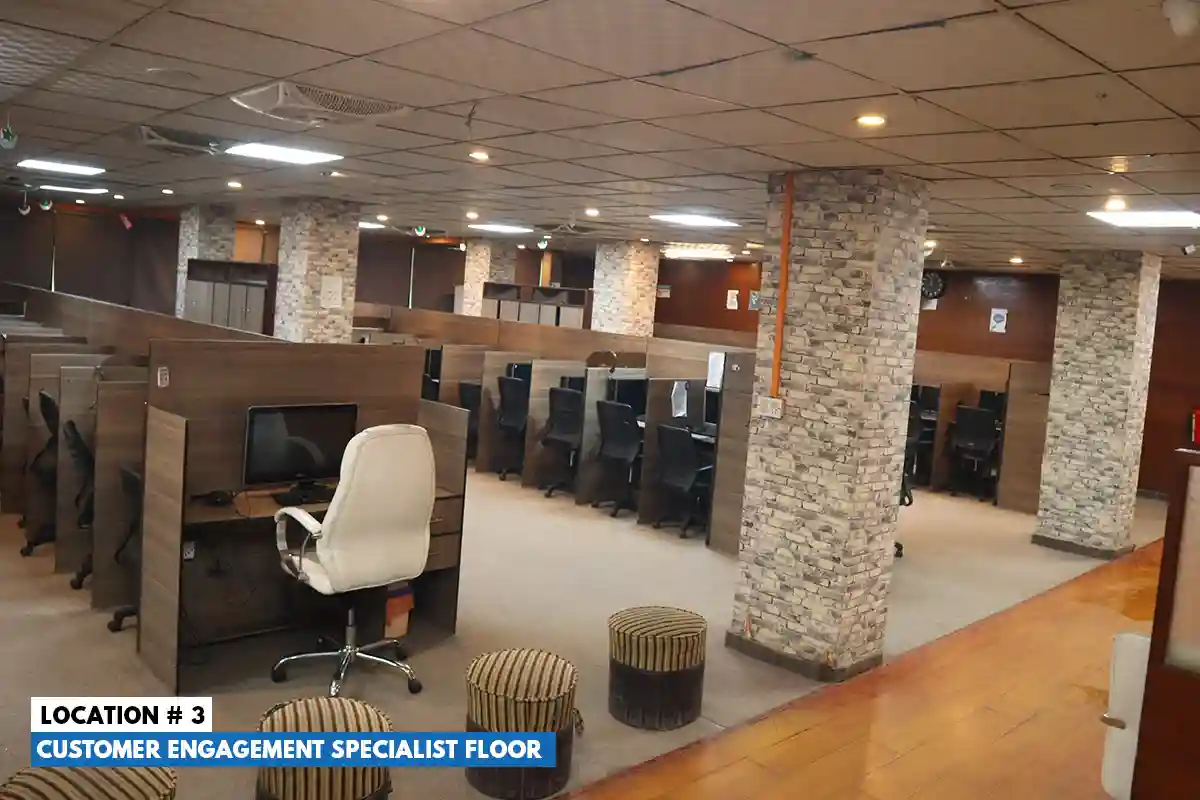
The inbound sales outsourcing will make sense when your inbound volume exceed what your internal team can handle without compromising the speed or quality. It also makes sense when you need to scale fast without the time and cost of the internal hiring.
Considered the real cost of keeping it in house. In the United States, and inbound sales representative can urgent average base salary of approximately $71,736 per year with the commission pushing total compensation that is closer $26,736 annually. Add benefits, office space, HR overhead, and software, and the actual cost per rep is far higher.
BPO providers can deliver the same role, often with better coverage hours, at a fraction of that cost. Companies report 40 to 60% labor cost savings when working with a quality BPO partner.
Beyond cost, outsourced inbound sales teams that specialize in the function produce measurably better outcomes. Survey data shows outsourcing lead generation can produce results up to 43% better than internal team efforts.
|
Scenario |
Keep In-House |
Outsource |
|
Startup scaling fast |
Risky and slow |
Faster time-to-capability |
|
Established business with overflow |
Hire cycle takes months |
BPO can scale in weeks |
|
Need 24/7 coverage |
Expensive |
Standard for most BPOs |
|
Entering a new market |
Requires new team |
BPO has existing infrastructure |
|
Budget is tight |
High fixed costs |
Variable, pay-for-output models available |




















Inbound Sales Techniques That Actually Convert
The techniques that separate high-performing inbound teams from average ones come down to speed, discovery, and personalization. Here's what the data says works.
1. Speed to Lead
Contact within 5 minutes. Set up automation to notify reps the moment a form is submitted or a call comes in. 21x higher qualification rates are not a minor improvement.
2. Personalized Outreach
Personalized sales outreach gets 32% higher response rates compared to generic follow up. Reference the specific content the lead engaged with. Mention their industry. Show you know why they came in.
3. Re-Run Discovery on Warm Leads
Inbound leads often arrive mid comparison. They're already looking at your competitors. Jumping straight to a demo without running discovery means you're competing on features instead of framing the problem. Run discovery every time.
4. Multi-Channel Follow-Up
80% of sales require 5 or more follow-up touches before closing. Omnichannel follow-up, combining email, phone, and chat, drives nearly 20% better engagement than single-channel approaches,
5. Consistent Handoff to Support
When a deal closes, pass complete notes to your customer success or support team. The fastest way to lose a won customer is a broken onboarding experience.
The Real Cost of Getting Inbound Sales Wrong
Most businesses don't lose inbound leads because they have a bad product. They lose them because of slow response times, no follow-up system, and a broken connection between sales and customer support.
Here's what that costs:
- A 47-hour average response time means most warm leads have already chosen a competitor
- Leads that are not followed up 5 or more times are almost never closed
- A disconnected onboarding experience after the sale increases early churn significantly
The fix is not always hiring more people. Often it's building a proper process, or partnering with a team that already has one. That's exactly what inbound sales services through a BPO provide: the system, the people, and the coverage, ready to deploy.
Is Your Inbound Sales System Ready for 2026?
If you've reached this point, you probably recognize something that needs to change. Maybe your response times are too slow. Maybe your follow-up is inconsistent. Maybe your sales team is handling everything but has no bandwidth to do any of it well.
You don't have to solve all of it from scratch.
Prime BPO specializes in inbound sales services, call center support, and full-cycle sales operations for businesses that want to convert more leads without rebuilding their internal team. Whether you need a fully managed inbound sales team or support overflow coverage, the structure is already in place.
If you want to see what that looks like for your business, reach out to the Prime BPO team for a no-pressure conversation.
Get Free Quotes
Customized Options Await
FAQS
What is inbound sales?
The inbound sales a sale approach where the potential customers will contact a business person after finding it through any ads on my website, social media or referrals.
What is the 3 3 3 rule in sales?
The 3 3 3 rule is a sales strategy that encourages reps to make consistent outreach efforts, such as contacting prospects multiple times through different methods to improve response rates.
How to generate inbound sales?
You can generate inbound sales by creating helpful content, improving your website, using SEO, and also running the online ads with the customers on social media.
What is a typical inbound sales process?
A typical process includes attracting leads, qualifying prospects, understanding their needs, presenting solutions, handling questions, and closing the sale.
What skills are needed for inbound sales?
Important skills include communication, active listening, problem-solving, product knowledge, relationship building, and the ability to understand customer needs.