





















Key Points
- Booming export growth from Pakistani call centers
- Rapid adoption of AI and automation technologies
- Shift to OmniChannel and digital customer experience
- Cloud based and remote call center models
- Skilled and youthful English fluent workforce
- Industry, associations, and regulate development
- Reputation management and fraud mitigation
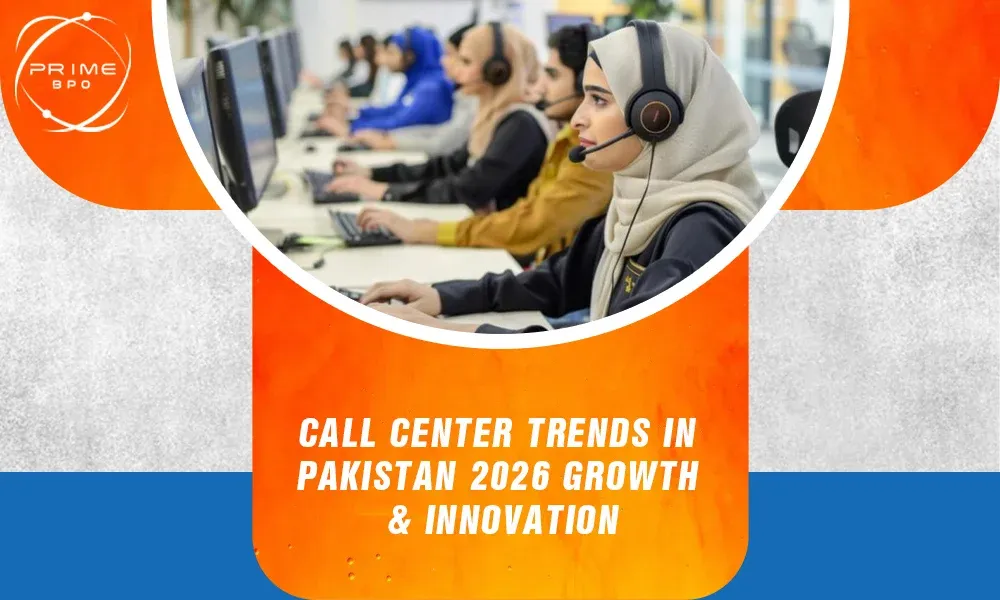
Call centers in Pakistan are now rapidly evolving as they are stepping into 2026. Pakistan’s business process outsourcing sector, particularly the call centers, are now positioning themselves as the competitive hub between the traditional big names like in the Philippines and India, with global market demand increasing for the outsourced customer service and support.
With your rising export revenues, skilled English speaking workforce and the strong government support the industries are experiencing the growth. This important call center update 2026 revealed how Pakistan is moving, moving beyond the traditional voice support and building a future call center ecosystem that is focused on efficiency and customer satisfaction.
Get Free Quotes
Customized Options Await
Sustained Export Growth and Market Expansion
From the last few years, the Pakistan call center industry has seen a very huge expansion in export earnings and client acquisition. In the financial year 2024/25, Pakistan course centers generated over $320 million in foreign exchange, marking nearly the 25% year on year growth as compared to FY 24.
All this growth is done by 1000 registered Call Centers that are operating across major cities like Karachi, Lahore and Islamabad. Pakistan is strengthening its position as the cost efficient outsourcing destination. Collectively all these call centers employee over 1 million professionals serving international clients from North America, Europe, the Middle East and beyond.
AI & Automation Integration in Call Operations
One of the most important call center trends 2026 is artificial intelligence. AI tools are now helping the call centers to answer customer queries even faster, provide chatBot support 24/7, reduce the waiting time and also improve the customer satisfaction.
Chat bots and virtual assistants can now handle the simple questions. Human agents are only focused on complex issues. This will save time and money for businesses. Speech analytic software also helps the manager to understand the customer behavior and also improve service quality.
Cloud-Based Call Centers
Another major call center date 2026 is the shift to cloud technology. Traditional call centers require heavy hardware, and also Office set ups. Now there are so many companies using cloud systems that will allow remote work, easy scalability, lower operational cost, and real-time performance tracking.
Cloud platforms will help the businesses to manage the calls, emails, live chat, and social media support in one system. This will make operations very smooth and more efficient.
Remote and Hybrid Work Culture
After the global pandemic, remote work is becoming very common. In 2026, there are so many Pakistani call centers who continue to offer work from home jobs, hybrid, office, models, and flexible working hours. This trend will help the companies to hire from different cities, not just major hubs like Karachi, Islamabad , Lahore, or Faisalabad. It also reduces office expenses and improves employee satisfaction.
International Outsourcing Opportunities
Pakistan is becoming a popular outsourcing destination. Global businesses are now preferring Pakistan because of their.
- Competitive pricing
- Skilled workforce
- Time zone advantage
- Strong English communication
By 2026, more international brands are expected to partner with Pakistani call centers for customer support, technical support, sales campaigns, lead generation, and e-commerce support. This growth will increase foreign exchange earnings for the country.
Data Security and Compliance
Data protection is now a very serious concern in 2026. Customers want their personal information to be safe and secure. Cousin is in Pakistan now investing in secure CRM systems, data encryption, GDPR compliance for international clients and strong cyber security. Clients from Europe and North America require strict protection standards. Pakistani companies are now operating their systems to meet these local requirements.
Multichannel Customer Support
Modern customers do not only use phone calls, they also prefer live chat, WhatsApp support, social media messaging, email support and video calls.
One of the top call center trends in Pakistan 2026 is Omni channel communication. Call centers now manage all platforms from one dashboard. This will improve the response time and also improve the customer experience.
Advanced CRM and Analytics Tools
CRM, customer relationship management systems are very important in 2026. Modern call centers use CRM tools to track the customer history, the agent performance, analyze all data and measure the customer satisfaction.
Analytical tools will help managers to make better decisions. They can see which campaigns are successful and which need improvement. Data treatment strategies are becoming the future of customer service.

Rise of Specialized Call Centers
Another key development is specialization. Instead of the general services, there are so many companies who are now focusing on the specific industries like
- Healthcare support
- Real estate campaigns
- E-commerce customer service
- Fintech support
- Travel and hospitality services
Skill Development and Training
In 2026, training will be more advanced than before. Call centers are now providing excellent training, communication, skills development, sales training, technical knowledge sessions, and AI tool uses training.
They also give soft skills like empathy, problem-solving, and active listings, all these are highly valued in call centers. Continuing learning will help employees to grow in their careers and also improve the service quality.
Government Support and IT Policies
The Pakistani government is encouraging IT exports and digital growth. The policies include.
- Tax incentives for IT companies
- Support for startup
- Freelancing programs
- Technology parks development
All these initiatives will help the call center industry to expand locally
Challenges Facing Call Centers in 2026
Although the future looks very bright, but there are still some of the challenges
- high competition from other countries like India in Philippines
- Rising operational costs
- Employee retention issues
- Increasing client expectations
To stay competitive with all these countries, companies must continue investing in technology and employee training.

Future of Call Centers in Pakistan
The future of call centers in Pakistan looks promising. By 2026 and beyond, the industry is expected to focus more on
- AI powered customers experiences
- Automation tools
- Personalized customer service
- Global partnershifts
- Digital transformation
Now Pakistan has strong potential to become a major outsourcing hub in South Asia. With innovation, skilled talent and strong infrastructure, the industry will continue to grow and touch the sky.
Conclusion
Wrapping up everything, the call center trends in Pakistan 2026 clearly show that the industry is evolving with technology and global demand. The sector is becoming more advanced and competitive from AI automation to cloud systems and remote works. The latest call center, 20 2026 and call center 2026 highlights growth in outsourcing, data, security, CRM systems and multichannel communication. The future is digital, automated and customer focused and Pakistan is moving forward with confidence.
Looking for a trusted outsourcing partner in Pakistan?
Prime BPO delivers best solutions and 24/7 support to your business and export-ready call center solutions that are specially designed for international businesses.
Get Free Quotes
Customized Options Await
FAQS
What are the major call center trends in Pakistan for 2026?
In 2026, call centers in Pakistan are changing very rapidly with the trends like AI and automation, cloud based systems, multi-channel customer support and remote work models. All these trends are shaping our customer service, during the cost and improving the efficiency for both local and international clients.
Why are international companies outsourcing call center services to Pakistan?
Global businesses are choosing Pakistan because of its competitive operational cost, English proficient workforce, and strategic time zone advantage for 24/7 service and improving IT infrastructure. This will make Pakistan the best and cost-effective destination, destination for customer support and technical assistant outsourcing.
Is the call center industry in Pakistan safe and legitimate?
The majority of the call center sector in Pakistan price, legitimate and provide quality services with customer service standards. However, there have been isolated concerns about the scam operations unrelated to mainstream outsourcing providers. It is very important for clients and jobseekers to verify the credibility of the company before any work.
What challenges do Pakistani call centers face in 2026?
Even though the industry is growing well but, there are still some challenges. Pakistan faces strong competition from other countries like India and Philippines. There are some areas that also have infrastructure problems, like the Internet and power issues. However, the companies need to improve data, security and follow international rules and standards. Fixing all these problems will help a lot for long-term growth and success.