








































Call center analytics has become a critical component of modern customer service operations. As contact centers handle increasing interaction volumes across voice and digital channels, data-driven insights are essential for improving efficiency, customer satisfaction, and business outcomes.
This article explains what call center analytics is, how it works, the different types of analytics used in contact centers, and how businesses benefit from advanced analytics solutions.
Get Free Quotes
Customized Options Await
What Is Call Center Analytics?
Understanding Call Center Analytics
Call center analytics refers to the process of collecting, analyzing, and interpreting data generated from customer interactions. This data includes call recordings, agent activity, customer behavior, and performance metrics. By using call center analytics software, organizations gain visibility into operational trends and customer experience patterns that would otherwise remain hidden.
Why Call Center Analytics Matters
In today’s competitive environment, call centers are expected to deliver fast, personalized, and consistent support. Call center analytics helps businesses identify inefficiencies, monitor agent performance, and understand customer needs. These insights enable smarter decisions that improve service quality while controlling operational costs.

Types of Call Center Analytics
Descriptive Analytics in Call Centers
Descriptive analytics focuses on understanding what has already happened. It uses historical data to summarize call volumes, average handle time, and customer satisfaction scores. This type of analytics forms the foundation of call center reporting and analytics.
Diagnostic Analytics for Root Cause Analysis
Diagnostic analytics explains why certain outcomes occurred. For example, it helps identify why call abandonment increased or why customer complaints rose. This approach supports the 80/20 rule in call centers, where a small number of issues often cause most service problems.
Predictive Analytics in Call Centers
Predictive analytics uses historical and real-time data to forecast future outcomes. In call centers, predictive analytics helps anticipate call volume, staffing needs, and customer behavior. This improves workforce planning and enables proactive customer engagement.
Prescriptive Analytics for Actionable Insights
Prescriptive analytics goes a step further by recommending actions. It suggests optimal staffing levels, call routing strategies, or agent coaching opportunities based on data-driven insights.
Speech and Voice Analytics in Call Centers
What Is Speech Analytics in a Call Center?
Speech analytics analyzes recorded calls and live conversations to identify keywords, sentiment, compliance issues, and customer intent. Speech analytics call center software converts voice data into actionable insights that improve quality assurance and customer experience.
Call Center Voice Analytics and Sentiment Analysis
Voice analytics focuses on tone, pitch, and emotion during customer interactions. Call center voice analytics software helps detect frustration, satisfaction, or urgency, enabling supervisors to intervene when necessary and improve resolution outcomes.
Interaction Analytics Across Channels
Interaction analytics extends beyond voice calls to include chat, email, and messaging platforms. Interaction analytics call center software provides a unified view of customer conversations across all channels.
Call Center Analytics Software and Tools
Call Center Analytics Dashboards
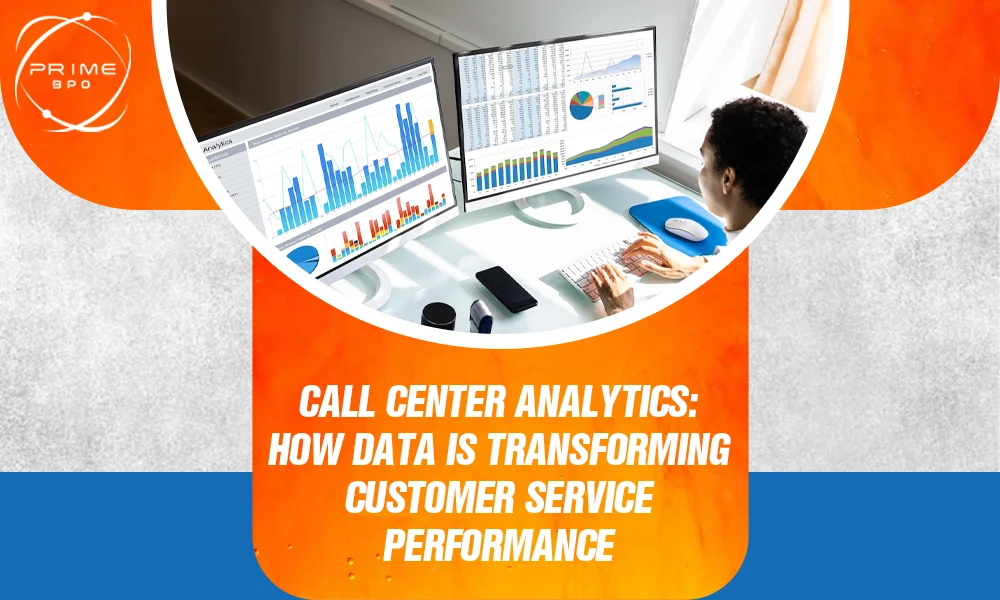
A call center analytics dashboard displays real-time and historical data in a visual format. These dashboards provide instant insights into call volumes, agent performance, and service levels, enabling faster decision-making.
Call Center Analytics Solutions and Companies
Many call center analytics companies offer specialized tools for speech analytics, predictive analytics, and big data processing. Choosing the right solution depends on call volume, business goals, and integration requirements.
Real-Time Call Center Analytics
Real-time call center analytics allows managers to monitor live operations. It supports immediate responses to spikes in demand, service disruptions, or agent performance issues, ensuring consistent customer experiences.
Call Center Metrics, Reporting, and KPIs
Key Performance Indicators in Call Centers
Call center analytics reporting focuses on KPIs such as first-call resolution, average handle time, customer satisfaction, and service level compliance. These metrics help organizations measure performance and identify improvement areas.
Call Center Metrics Analytics and Reporting
Advanced analytics connects metrics to customer behavior and outcomes. Instead of viewing KPIs in isolation, businesses can understand how agent actions and operational changes impact customer loyalty and revenue.

Business Use Cases for Call Center Analytics
Improving Customer Experience
Customer service call center analytics helps identify recurring issues, unmet expectations, and service gaps. By addressing these insights, organizations can improve satisfaction and reduce repeat calls.
Improving Collections With Call Center Analytics
In collections environments, analytics helps optimize call timing, agent scripts, and customer segmentation. Predictive insights improve contact rates and recovery outcomes while maintaining compliance.
Optimizing Workforce and Agent Performance
Call center data analytics highlights training needs, coaching opportunities, and performance trends. This enables targeted development programs and more effective workforce management.
What Is a Call Center Analyst?
Role and Responsibilities of a Call Center Analyst
A call center analyst is responsible for analyzing performance data, generating reports, and translating insights into actionable recommendations. Analysts work closely with operations and leadership teams to improve efficiency and customer outcomes.
Conclusion
Call center analytics is no longer optional it is a strategic necessity. From speech analytics and predictive insights to real-time dashboards and advanced reporting, analytics empowers organizations to deliver better customer experiences and operate more efficiently.
By investing in the right call center analytics tools and expertise, businesses can turn interaction data into a powerful driver of performance, growth, and customer loyalty.
Unlock the full potential of your contact center with advanced call center analytics solutions from Prime BPO. From real-time dashboards to speech and predictive analytics, we help you optimize performance, reduce costs, and elevate customer experience.
Partner with Prime BPO today and transform every customer interaction into measurable business growth.
Get Free Quotes
Customized Options Await
FAQs
What are the four types of analytics?
The four types of analytics are descriptive, diagnostic, predictive, and prescriptive analytics, each serving a different purpose in understanding and improving call center performance.
What is the 80/20 rule in a call center?
The 80/20 rule suggests that a small percentage of issues often cause the majority of customer complaints or operational challenges, helping teams prioritize improvements.
What are the five key performance indicators of a call center?
Common KPIs include first-call resolution, average handle time, customer satisfaction, service level, and call abandonment rate.
What is a call center analyst?
A call center analyst analyzes interaction data and performance metrics to help organizations improve customer service and operational efficiency.